Categories
Audiences & Segmentation

Tamoco’s Accurate US Segments Available In LiveRamp & Adsquare

Are location-based segments the answer for marketer’s identity crisis?

For marketers, the cookie is an essential way of understanding consumers, their interests, and how best to deliver them relevant and engaging content and ads. Whatever happens with the cookie, many marketers have agreed that moving towards people-based marketing is a direction that the industry is well advised to take.

That’s why at Tamoco, we’re focused on supporting a marketer’s ability to be better at people-based marketing. We believe that device location can help build distinct audience segments based on real-world locations that drive results.

Tamoco has been in the location space for a while now. We started by using beacons and other sensors to deliver push notifications to users. A lot has changed since those days, but we feel that there’s still a lot that needs to be done for marketers.

The power of location-based targeting has been proven, but we think we’ve built something that gives marketers better certainty when using location-based segments.

For us, this all comes down to accuracy. For consumers, there’s nothing worse than a lack of relevance in their advertising. We noticed that much of the location data that was being used to target consumers was simply inaccurate.

That’s why we built our visits product. It takes multiple device signals (such as movement type, acceleration, and altitude) over numerous data points to measure visits to real-world locations more accurately. Marketers can now be sure that the person they are targeting with their ads spent time inside a retail location, rather than just walked past.

But the best part for marketers is that we’re integrating this all directly into LiveRamp and Adsquare.

With Tamoco’s segments, marketers can accurately target consumers based on their behavior in the offline world. Tamoco offers hundreds of unique audiences, based on a detailed analysis of visits to real-world locations and points of interest. These segments run across multiple industries, from retail stores to restaurants, entertainment venues, and travel locations.


How to access Tamoco segments from within LiveRamp

Tamoco’s location based segments are available through the LiveRamp platform. Activate these segments today to target people and provide a better advertising experience for consumers.

Tamoco makes 70 pre-build segments available in the data store; these are split by POI category and refreshed monthly.

Our off the shelf segments can be found by following Tamoco > US > Location data > Verified visits > Month Year > Segment name. E.g. Tamoco > US > Location data > Verified visits > Month Year > QSR

Tamoco off the shelf segments are also automatically pushed to DV360 and available through their marketplace.

We can build custom segments (based on more tailored POI categories, brands, locations, smaller time windows) and push these to 198 Liveramp data partners; including Adobe Advertising Cloud, Amazon, Amobee, Facebook, Hulu, MediaMath, Roku, theTradeDesk, Verizon and Xandr.

For customized options, please get in touch here.


How to access from within Adsquare

Tamoco’s location based segments are available through the Adsquare platform. Activate these segments today to target people and provide a better advertising experience for consumers.

Tamoco makes pre-build segments and audience profiles available in Adsquare and these are also pushed to all public marketplaces; these are split by POI category and refreshed monthly.

Our off the shelf segments can be found by searching for Tamoco in the Adsquare platform or in any marketplace you use.

We can build custom segments (based on more tailored POI categories, brands, locations, smaller time windows) and push these to any of the social media platforms integrated with Adsquare including Adobe Advertising Cloud, ApNexus, Facebook, MediaMath, theTradeDesk, amongst others.

For customized options, please get in touch here.

Related: read more about how location-based audience segments are built.

Categories
Audiences & Segmentation

Dealing with Declining Engagement on Instagram: Practical Solutions for Keeping Your Audience Active

Instagram has transformed from a photo-sharing platform into a bustling hub of content creation, entertainment, and brand engagement. Yet, with these changes, many users—particularly brands, entrepreneurs, and influencers—have noticed a significant dip in engagement. If you’re struggling with fewer likes, comments, and shares, it’s time to take a more strategic approach to re-engage your followers.

Why Instagram Engagement Drops

The decline in engagement can be attributed to several factors. Instagram’s algorithm now prioritizes content that sparks genuine interaction, which has made it more challenging to reach your audience organically. This shift, combined with the saturated content landscape, means standing out has become more difficult. However, understanding this evolving ecosystem can be a powerful first step in reversing the trend.

1. Refine Your Content Strategy by Understanding What Works

It’s easy to blame the algorithm, but to re-engage your audience, you need to start by analyzing your content performance. Instagram Insights is a powerful tool that gives you a clear view of what resonates with your audience. Much like how curious customers often wonder who owns McDonald’s, understanding the structure behind success helps you make smarter decisions with your content too.

  • Real-World Example: A lifestyle brand reviewed their top posts and found that user-generated content and behind-the-scenes videos performed significantly better than their polished promotional shots. By aligning their visuals with current Graphic Design Trends and shifting their content strategy, they saw a 15% boost in engagement within three months.

Use data from Insights to identify which post types—whether photos, videos, carousels, or Reels—generate the most interaction. Much like learning to convert a fraction to percent simplifies math problems, analyzing your data simplifies decision-making. Do your followers prefer short, snappy videos over long-form captions? If so, adjust your approach to reflect these preferences.

  • Actionable Strategy: Diversify your content. If your photos aren’t pulling in the numbers, experiment with carousels, Reels, or Instagram Stories. You could, for instance, create a weekly behind-the-scenes Story or go live to interact directly with your audience.

2. Leverage Instagram Stories and Interactive Features

Stories remain one of Instagram’s most effective tools for keeping your audience engaged. With their 24-hour lifespan, Stories encourage frequent updates, creating ongoing interactions without overwhelming your followers. Just like Legalon, a leader in AI contract review helping businesses work smarter and faster, using smarter tools on social media can also help you streamline engagement and build stronger connections.

Use Instagram’s interactive features like polls, quizzes, and Q&A sessions to invite followers to participate in a conversation. It’s similar to the concept behind Snapchat planets, where users can see how they rank in their friends’ solar systems based on interaction levels—encouraging more connection by showing who’s closest. Likewise, Instagram’s tools help boost meaningful engagement by making followers feel seen and valued. This type of engagement is invaluable because it fosters a sense of community, making your audience feel heard and valued.

Ricky at Startup Booted, emphasizes, “Interactive features like polls, quizzes, and Q&A sessions not only boost engagement but also help brands build stronger connections with their audience. It’s a simple way to turn passive viewers into active participants.”

To take it a step further, consider using an AI-powered quiz maker to create personalized quizzes that align with your brand. AI can help tailor questions to user preferences, making the experience more engaging and relevant, which can drive higher interaction rates.

  • Real-World Example: An influencer in the fitness industry noticed that static posts were underperforming, but interactive Stories, where followers could vote on the next workout challenge, consistently drew high engagement. By switching more of their content to Stories, they saw an 18% rise in engagement within a month.
  • Actionable Strategy: Post daily Stories that offer value, whether it’s quick tips, behind-the-scenes footage, or direct questions that prompt responses. Keep a consistent schedule so followers come to expect and engage with your content regularly.

3. Prioritize Quality Over Quantity

Many brands make the mistake of posting frequently without considering the quality of their content. Posting too often without providing real value can lead to audience fatigue, causing a drop in engagement. Instead of pushing out numerous posts, focus on crafting high-quality, impactful content that your audience will genuinely appreciate.

Mr. Ahuja, Founder at GrowthScribe, explains, “In today’s saturated social media environment, it’s not about how often you post, but about how much value each post provides. Prioritizing quality ensures your audience remains engaged and connected to your brand.”

  • Real-World Example: A fashion retailer, noticing declining engagement despite frequent posting, scaled back their posts and instead focused on creating more visually stunning, story-driven content. The result was a 22% increase in engagement, proving that less can often be more.
  • Actionable Strategy: Post only when you have something valuable to share. Aim for quality over quantity by investing in professional photos, engaging captions, or well-edited videos that deliver a message your audience will find worthwhile.

4. Create Content That Encourages Saves and Shares

Likes and comments aren’t the only forms of engagement that matter. Instagram’s algorithm also rewards posts that receive a high number of saves and shares, as these actions indicate that users find your content valuable enough to revisit or share with others.

  • Real-World Example: A travel blogger created a series of location guides with detailed itineraries and recommendations, encouraging followers to save the post for future reference. This tactic led to a 30% increase in saves, significantly boosting the visibility of the account.
  • Actionable Strategy: Design content that adds long-term value, such as tutorials, how-to guides, or lists that your audience would want to save for later use. Don’t be afraid to ask your audience to save the post in your caption or share it with a friend who might find it helpful.

5. Boost Engagement With User-Generated Content

User-generated content (UGC) is one of the most powerful ways to build trust and engagement. It not only increases authenticity but also encourages more interaction from your followers. People are more likely to engage with content that feels genuine, especially when they see real customers or followers featured on your feed.

  • Real-World Example: A beauty brand implemented a weekly UGC feature, reposting their customers’ makeup looks and tagging them. This strategy boosted their engagement by 25%, as followers were excited to see themselves featured on the brand’s platform.
  • Actionable Strategy: Encourage your audience to tag you in their posts or use a branded hashtag for a chance to be featured on your account. This not only increases visibility but also fosters a stronger community connection.

6. Collaborate With Influencers or Partner Brands

Collaborating with influencers or brands in a similar niche can expose your content to a wider audience. When done correctly, these partnerships can lead to a significant spike in engagement, especially if your collaborator has an active and engaged following.

  • Real-World Example: A small food company partnered with a well-known local chef to create recipe content for Instagram. The collaboration led to a 40% increase in engagement during the campaign period, as the chef’s followers began interacting with the brand’s posts.
  • Actionable Strategy: Find influencers or complementary brands whose audience aligns with yours and initiate a collaboration. Whether through giveaways, product reviews, or joint content creation, these partnerships can introduce your brand to new, engaged audiences.

7. Maximize Instagram Reels for Quick Wins

Reels continue to be Instagram’s answer to short-form content. Given their popularity and the algorithm’s tendency to promote Reels on the Explore page, they offer an excellent opportunity to increase reach and engagement.

  • Real-World Example: A small fitness coach started creating weekly 30-second workout tips via Reels. These short videos gained traction, leading to a 50% increase in followers and a noticeable uptick in post engagement.
  • Actionable Strategy: Incorporate Reels into your content plan. Use Reels to showcase quick tips, behind-the-scenes moments, or even fun, light-hearted content that humanizes your brand. Reels don’t need to be professionally produced—authenticity often wins here. Reels don’t need to be professionally produced—authenticity often wins here, just like a perfectly worded 27th birthday caption can capture real emotions better than a polished quote.

8. Engage With Your Audience Beyond Your Own Content

Sometimes, improving engagement isn’t just about what you post—it’s about how you interact with others. Even tech service providers like Network Right, who specialize in IT infrastructure and support, understand that proactive engagement—whether online with audiences or internally with clients—drives stronger loyalty and long-term success. 

By commenting on and liking your followers’ posts, engaging with Stories, or participating in discussions, you can increase visibility and strengthen relationships with your audience. 

  • Real-World Example: A small online boutique spent 30 minutes each day engaging with their followers’ content. This proactive strategy resulted in a 20% boost in engagement on their own posts, as followers felt more connected and appreciated.
  • Actionable Strategy: Dedicate time each day to engage with your followers and niche accounts. Leave thoughtful comments, respond to DMs, and show genuine interest in their content.

Conclusion

To combat declining Instagram engagement, you need to adapt and evolve your approach. Success on the platform comes from creating meaningful, high-quality content that resonates with your audience, fosters genuine interaction, and consistently adds value. By refining your strategy, leveraging interactive features, and building strong relationships with your followers, you can keep your audience active and engaged for the long term.


Related: read more about how location-based audience segments are built.

Categories
Audiences & Segmentation

Account setup and personalization at Vegasino France – step-by-step guide

Creating an account at Vegasino Casino enables you to dive into a tailored gaming experience. Start by visiting the website and clicking on the “Register” button. Fill in the required details, including your email, username, and password. Ensure your password is strong for added security. After registration, verify your email to activate the account. Proceed to personalize your gaming experience by selecting your preferred language, adjusting notification settings, and setting deposit limits to manage your bankroll effectively. Navigating through these setup steps will enhance your online gaming journey.

Registering at Vegasino France

To begin your gaming journey at Vegasino France, the first step is to create an account. This process is straightforward and essential for accessing the full range of services and features offered by the platform. Ensure you have a stable internet connection and a few minutes to complete your registration.

The registration process includes several key steps that require your attention. Here is a concise guide to help streamline your experience:

  1. Access the Website: Navigate to the official Vegasino France website using your preferred web browser.
  2. Click on the Registration Button: Look for the “Sign Up” or “Register” button prominently displayed on the homepage.
  3. Fill in Required Information: You will be prompted to provide personal details, including:
    • Full name
    • Email address
    • Phone number
    • Date of birth
    • Preferred currency
  4. Create a Secure Password: Choose a strong password to protect your account. It should include a mix of letters, numbers, and special characters.
  5. Agree to Terms and Conditions: Review and accept the site’s terms and conditions as well as the privacy policy before proceeding.
  6. Verification: Check your email for a verification link. Click on it to validate your account and finalize the registration process.

After registration, it’s advisable to complete any additional personalization settings available in your account. This not only enhances your gaming experience but also allows for tailored bonuses and promotions suited to your preferences.

Verification

Verification is a critical step in ensuring the security and integrity of your Vegasino France account. This process not only confirms your identity but also helps protect you from fraud and unauthorized access. Completing verification as soon as possible is essential to enjoy a seamless gaming experience.

To get started with the verification process, you will need to prepare certain documents. The primary requirements typically include:

  1. Proof of Identity: A government-issued ID such as a passport, national ID card, or driver’s license.
  2. Proof of Address: A recent utility bill, bank statement, or lease agreement that clearly shows your name and address.
  3. Payment Method Verification: A photocopy of the credit/debit card used or a screenshot of your e-wallet account to verify ownership.

Once you have gathered these documents, follow these steps to complete your verification:

  • Log in to your Vegasino France account and navigate to the verification section.
  • Upload your documents in the required format (PDF, JPG, or PNG).
  • Submit your uploaded files and wait for the confirmation email regarding the status of your verification.

Be proactive and check the status of your verification frequently, as it can take anywhere from a few hours to several days. In case your documents are not accepted, you will receive a notification explaining the reasons, allowing you to quickly resubmit the correct information.

Account Setup and Personalization at Vegasino France

Setting up an account at Vegasino France is the first step towards an engaging gaming experience. The process is straightforward and designed to ensure user security while providing personalized options. Here’s a step-by-step guide to help you through the account setup.

After registration, personalizing your account enhances your interaction with the platform. It allows you to tailor the gaming experience according to your preferences, making it more enjoyable. Follow the steps below to set up and personalize your Vegasino account effectively.

Step-by-Step Account Setup

  1. Registration: Visit the Vegasino France website and click on the ‘Sign Up’ button. Fill out the required fields, including your name, email address, and a secure password.
  2. Verification: Check your email for a verification link. Click on the link to activate your account.
  3. Profile Completion: Log in to your account and complete your profile. Add details such as your date of birth and preferred payment methods.
  4. Set Security Features: Enable two-factor authentication to enhance account security. This adds an extra layer of protection.

Personalization Options

Once your account is set up, consider the following personalization options:

  • Game Preferences: Browse through the casino games section and select your favorite types (slots, table games, live dealer). This helps the platform recommend games tailored to your interests.
  • Notifications: Adjust your notification settings to receive updates on promotions, bonuses, and new game releases according to your preferences.
  • Language and Currency: In your account settings, select your preferred language and currency for transactions. This enhances your accessibility and convenience.
  • Account Limits: Set limits on deposits, losses, and session times to promote responsible gaming. This feature helps in managing your gaming activity.
Feature Description
Profile Picture Upload a personal profile picture to add a personal touch to your account.
Favorites List Create a list of favorite games for easy access during subsequent visits.

By following these steps for account setup and personalization, you’ll be able to maximize your gaming experience at Vegasino France. Enjoy your time and play responsibly!

How to Regain Access to Your Account

If you’re having trouble accessing your Vegasino France account, follow these straightforward steps to regain entry. It’s essential to act quickly to secure your account and maintain your gaming experience. Begin by verifying if your login credentials are correct.

In case you’ve forgotten your password or are locked out, utilize the account recovery options provided by Vegasino France. Here’s a detailed process to help you.

  1. Visit the Login Page: Go to the official Vegasino France website and navigate to the login section.
  2. Click on “Forgot Password”: Select the “Forgot Password” link to initiate the recovery process.
  3. Provide Registered Email: Enter the email address associated with your account and submit the form.
  4. Check Your Inbox: Look for an email with instructions on resetting your password. Ensure to check your spam folder if you don’t see it in your inbox.
  5. Follow Instructions: Click the link in the email and create a new password. Choose a strong password that you haven’t used before.
  6. Log In: Return to the login page and use your new credentials to access your account.

If you still cannot access your account after following these steps, it’s recommended to contact Vegasino France customer support for additional assistance. Provide them with relevant information such as your account details and the issues you’ve encountered.

Remember to keep your login information secure and update your password periodically to prevent unauthorized access.

Account Security

Ensuring the security of your Vegasino France account is crucial to protect your personal information and prevent unauthorized access. By following best practices for online security, you can enjoy a safer gaming experience.

Here are essential tips to strengthen the security of your account:

  • Use a Strong Password: Create a password that is unique, at least 12 characters long, and includes a mix of uppercase letters, lowercase letters, numbers, and special symbols. Avoid easily guessable information.
  • Enable Two-Factor Authentication (2FA): Activate 2FA for an added layer of security. This may involve a code sent to your mobile device that is required during the login process.
  • Regularly Update Your Password: Change your password every 3 to 6 months and avoid reusing old passwords across different accounts.
  • Monitor Your Account Activity: Regularly check your account for any unusual activity. Report any suspicious transactions immediately.
  • Keep Your Devices Secure: Ensure that your computer and mobile devices have up-to-date antivirus software. Avoid accessing your account on public Wi-Fi networks.

By following these recommendations, you can significantly enhance the security of your Vegasino France account and enjoy your gaming experience with peace of mind.

Related: read more about how location-based audience segments are built.

Categories
Audiences & Segmentation

Tailoring Products in E-commerce: A Guide to Personalization

Tailoring Products in E-commerce: A Guide to Personalization

In today’s e-commerce landscape, product customization emerges as a revolutionary feature, allowing customers to tailor their purchases to their unique preferences. By integrating product customization options, businesses can offer 3D views, AR, and Virtual Try-On features, making the shopping experience not just interactive but highly personalized.

In this article, you will find a comprehensive approach towards smooth product personalization. Delve deep uni.agency, we’re beginning.

Understanding Personalization in E-commerce

E-commerce product customization is a transformative strategy that leverages individual customer preferences to offer a personalized shopping experience. This approach can significantly enhance various aspects of e-commerce:

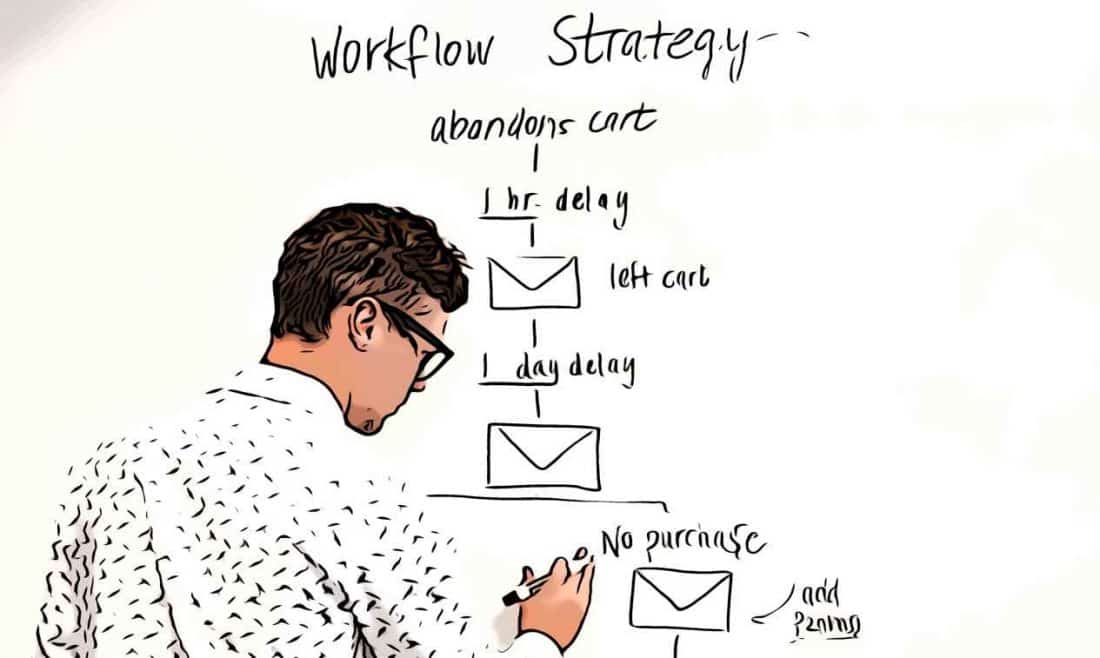
  • Marketing and communication like abandoned cart messaging, pop-ups, post-purchase emails, product recommendations, upsells, cross-sells, and tailored marketing messages.
  • Product interaction, including 3D product configurators, AR viewers, and virtual try-on technologies, enrich the online shopping experience.
  • Data utilization and insights where customers are willing to share their data to get a more personalized experience.

As a result, e-commerce platforms can create a unique shopping environment that resonates with the market and drives engagement, loyalty, and sales.

Exploring Product Customization

The realm of product customization uses a wide array of customization options, ranging from simple color changes to complex design modifications, namely:

  • Design elements, allowing modifications in color, size, and material.
  • Functionality and features enable customers to add personalized engravings or upload custom designs.
  • Materials offer different qualities or types of materials used.
  • Visualization tools, providing real-time pricing updates and product visualizations.
  • Software solutions, utilizing product customization software for online stores.

By meticulously integrating these elements into an e-commerce platform, businesses develop and succeed.

Benefits of Product Customization in E-commerce

Integrating the customization of products into your e-commerce platform is highly beneficial for your business. It can significantly enhance your business’s performance and customer satisfaction. Here’s a breakdown of the key advantages.

Enhancing Customer Satisfaction

Customization in e-commerce not only encourages repeat purchases but also fosters deep brand loyalty. 

  • A streamlined checkout process minimizes cart abandonment.
  • Customization ensures customers feel valued and supported throughout their shopping experience.
  • Customization fosters a sense of ownership – customers feel a personal connection to customized products.
  • Personalization invites the mind to play – the process of customizing is not just functional but also enjoyable, creating a memorable “wow” factor.

Moreover, shoppers are more confident in their purchases and more likely to recommend a store when they have the option to customize products.

Fostering Brand Loyalty

E-commerce personalization through product customization significantly strengthens customer relationships, enhancing satisfaction, and boosting conversions and revenue.

Therefore, emotional connection and engagement create a deeper bond between you and your customers. This emotional connection encourages customers to return, fostering loyalty.

Moreover, the marketing and viral potential of customized products is higher in comparison to massproduction ones. Examples of customization include cases when happy customers share their unique purchases on social media, increasing your brand’s visibility and attracting new customers.

Additionally, offering personalized products differentiates your brand from competitors. Personalization makes customers feel valued and understood, increasing their loyalty to your brand.

Overall, by integrating customization options into your e-commerce platform, you not only meet the growing demand for personalized products but also establish a strong, loyal customer base that values your brand’s unique offerings.

Driving Sales Growth

Product customization strategies are pivotal for businesses aiming to stand out and excel. Businesses prioritizing personalization see faster revenue growth and more revenue from personalization efforts.

In these cases, customer loyalty is also enhanced, creating a cycle of recurring interactions and data collection for continuous improvement.

And last but not least – increased sales. Customers are more inclined to purchase items that can be personalized, boosting sales and average order values. The same thing is about higher conversion rates, resulting from a more engaging shopping experience.

As a result, you will not only meet the growing demand but also significantly boost e-commerce sales growth, customer satisfaction, and brand loyalty.

Reducing Expenses

Product customization offers a strategic advantage for e-commerce platforms by significantly reducing expenses. One of the benefits is the optimized inventory management. When you produce stock on the grounds of real customer preferences and demand, you’re more likely not to overproduce. Therefore, on-demand production minimizes excess inventory, leading to cost savings.

Furthermore, supply chain efficiency through automatic resupply techniques and rationalizing product lines cuts unnecessary expenses. Minimizing part variety and raw materials, coupled with pull-based resupply techniques, saves both time and money.

Additionally, data from customization platforms inform future product releases, enabling the development of tailored products on demand. Regular review and adjustment of product lines can free up resources, simplify production processes, and enhance profitability. This strategic approach leads to optimized stock inventories and a significant reduction in unwanted inventory and product lines.

Gaining Deeper Customer Insights

Always obtain consent before collecting data. If you use data to offer personalized product recommendations, it will only enhance the shopping experience.

Next, regular review of the customer feedback and analytics adjust your product customization offerings based on trends and preferences identified in the data.

Moreover, the interactions with digital goods and customized product purchases reveal what customers value and their willingness to pay for customization.

Final Thoughts

Tailoring your e-commerce platform to incorporate product customization undeniably elevates the shopping experience, meets customer expectations for personalization, and sets your brand apart in a competitive market.

Moving forward, it is essential for e-commerce platforms to continue exploring innovative customization techniques and tools that align with evolving consumer preferences. This approach will not only maintain customer interest and engagement but also open avenues for sustainable growth and differentiation in the market. 

Interested in the customization in e commerce? Read more articles and ask your questions.

Related: read more about how location-based audience segments are built.

Categories
Audiences & Segmentation

Impact of Big Data on Marketing Personalization with Delivery Routing Applications

In the digitally driven world, harnessing the power of big data has become inseparable from remaining cutthroat on the lookout. Big data, with its huge volume, speed, and assortment, offers priceless bits of knowledge about shopper conduct and inclinations. This information establishes the foundation for personalized marketing strategies, a significant component in laying out significant associations with clients.

In addition, as organizations take a stab at effectiveness in their tasks, delivery routing applications have become indispensable tools. These applications streamline logistics, guaranteeing the ideal and practical delivery of goods and services. 

In this essential guide to delivery routing and dispatch applications for SMEs, we dig into the convergence of big data and delivery routing applications, enlightening how this integration alters marketing personalization for organizations. So, let’s get started.

Understanding Big Data in Marketing


In the domain of marketing, Big Data has emerged as a foundation for personalized strategies and proficient tasks. Big Data, portrayed by its volume, speed, and assortment, alludes to vast arrangements of organized and unstructured information that immerse organizations consistently. 


By harnessing Big Data, marketers gain invaluable bits of knowledge about shopper conduct, inclinations, and patterns. This trove of information empowers targeted marketing campaigns, customized item offerings, and upgraded consumer loyalty. Moreover, Big Data fills in as an impetus for refining client experiences, permitting organizations to expect needs, customize cooperations, and encourage long-haul connections. 


Through sophisticated analytics tools and techniques, marketers can leverage Big Data to decode complex customer patterns, enhance promotional endeavors, and eventually drive significant outcomes in an undeniably aggressive landscape.


Significance of Marketing Personalization


In the present competitive scene, where client assumptions are steadily developing, promoting personalization remains a reference point for pertinence and commitment. Let’s delve into the significance of this strategy in changing client encounters.


  • Custom-fitted marketing messages reverberate profoundly with purchasers, cultivating a feeling of association and commitment with the brand. 


  • By delivering customized content and offers, businesses can address the needs and inclinations of individual clients, leading to higher satisfaction levels. 


  • Personalization develops loyalty by causing clients to feel esteemed and understood, provoking recurrent purchases and long-haul brand promotion.


  • Designated advertising efforts bring about more relevant recommendations and offers, driving higher change rates and, at last, income growth.


  • Personalization depends on big data analytics to gather noteworthy insights into client conduct and inclinations, empowering organizations to settle on informed marketing choices.


  • Organizations that embrace marketing personalization gain an upper hand by conveying more significant and vital encounters, separating themselves in jam-packed markets.


Generally, marketing personalization filled with big data insights and delivery routing applications isn’t simply a pattern; it’s an essential basic for organizations looking to flourish in the present hyper-associated world.

Introduction to Delivery Routing Applications


Delivery routing applications are software solutions intended to smooth out and enhance the process of planning, scheduling, and executing delivery routes. These apps use advanced algorithms and real-time data analysis to generate streamlined delivery routes, considering variables such as traffic conditions, delivery needs, vehicle limits, and delivery time windows. 


By utilizing delivery routing applications, organizations can further develop delivery accuracy, improve consumer loyalty, and gain an upper hand.

Moreover, optimized delivery routes empower organizations to decrease fuel utilization, lower vehicle maintenance costs, and limit their carbon footprint, adding to environmental sustainability efforts. In essence, delivery routing applications play a crucial role in facilitating seamless logistics operations and driving business success in the digital age. 

Integration of Big Data with Delivery Routing Applications


In the powerful market scene, the integration of big data with delivery routing applications has altered the proficiency and viability of logistics operations. First and foremost, big data empowers delivery routing applications to upgrade proficiency by analyzing vast amounts of historical and real-time data. By utilizing this information, organizations can distinguish ideal routes, limit delivery times, and decrease fuel utilization. 


Besides, the usage of client information plays a vital role in route optimization. Delivery routing apps can harness client inclinations, delivery histories, and location data to tailor routes for individual clients, bringing about personalized and proficient delivery encounters. 


Furthermore, real-time data analysis engages dynamic routing, permitting delivery routing applications to adjust routes in a split second in light of changing traffic conditions, weather conditions, or unanticipated occasions. This dexterity guarantees timely deliveries while upgrading asset utilization.


Generally, the integration of big data and delivery routing apps smoothes out logistics tasks as well as upgrades consumer loyalty through customized and effective delivery services. 

Impact of Big Data and Delivery Routing on Marketing Personalization


In the present data-driven world, utilizing big data close by delivery routing applications can revolutionize personalization methodologies. Let us find out how this integration changes client encounters and upgrades marketing effectiveness.

1. Customized delivery experiences based on customer data

By analyzing vast amounts of client data, organizations can tailor delivery encounters to meet individual inclinations. From preferred delivery times to explicit bundling demands, utilizing big data guarantees that every delivery lines up with client assumptions, encouraging fulfillment and faithfulness. 


With bits of knowledge gained from past interactions and purchase history, organizations can likewise expect future requirements, proactively addressing them to improve the overall delivery experience.

PRO TIP: To learn more about key strategies for protecting consumer data in geospatial marketing, click here


2. Targeted promotions and offers along delivery routes

With bits of knowledge from big data, marketers can decisively send promotions and offers along delivery routes. By focusing on clients with relevant incentives based on their area and buying history, organizations can drive deals while improving the overall delivery experience. 


In addition, real-time data analysis considers dynamic changes, guaranteeing that promotions are ideal and custom-fitted to augment influence along the route.

3. Personalized communication at various touchpoints

Using big data considers customized communication at each touchpoint along the delivery journey. From order confirmation to delivery refreshes, custom-made messages in light of client inclinations make a consistent and drawing-in experience, reinforcing brand-purchaser connections. 


Moreover, by integrating client input and opinion investigation, organizations can also refine communication strategies, guaranteeing they resonate with their target audience. 

4. Improving customer satisfaction through personalized delivery experiences

At last, the integration of big data and delivery routing prompts further development of consumer loyalty and dedication. By delivering customized encounters that expect and satisfy client needs, organizations can separate themselves in a serious market scene, driving long-haul achievement. 


Moreover, improved consumer loyalty frequently converts into positive verbal references and rehashes buys, cementing brand faithfulness and driving sustained business growth.


Thus, integrating big data and delivery routing into promoting personalization strategies improves client encounters as well as drives business development by encouraging fulfillment, dedication, and, at last, revenue.

Conclusion

Taking everything into account, the integration of big data with delivery routing applications has fundamentally changed marketing personalization. Through the analysis of vast amounts of data, organizations can now tailor their advertising methodologies with accuracy, taking care of the remarkable inclinations and ways of behaving of individual buyers. This upgrades consumer loyalty as well as lifts commitment and faithfulness. 


Additionally, the utilization of delivery routing applications guarantees effective and ideal delivery of items or services, further improving the overall client experience. As innovation proceeds to advance and big data turns out to be progressively open, the potential for significantly more noteworthy personalization in advertising efforts is immense. 


Notwithstanding, organizations need to keep putting resources into data analytics capabilities and innovative routing technologies to remain ahead in the competitive landscape. By harnessing the power of big data and routing applications, organizations could drive development as well as encourage long-lasting relationships with their customers.


Related: read more about how location-based audience segments are built.

Categories
Audiences & Segmentation

5 Ways Location-Based Analytics Reshape Personalized Health Solutions

Location-based analytics are transforming how we approach personalized health solutions. These technologies provide targeted insights, making engaging with wellness programs that fit their unique needs easier for individuals.

Imagine receiving real-time feedback about community challenges or discovering health initiatives tailored to your location. This innovation not only enhances user experiences but also drives better health outcomes.

With practical applications, the integration of location-based analytics is changing the healthcare landscape for the better. Read along to explore various ways these advancements shape personalized healthcare experiences. 

  1. Targeted Marketing of Health Programs

Leveraging location-based analytics enhances the marketing of health programs by delivering personalized messages to individuals based on their geographical area. 

For example, a gym may use data to promote fitness classes or health workshops, specifically in neighborhoods where people show higher interest in wellness activities. This approach increases engagement and encourages participation among residents.

Connecting marketing efforts with community needs helps organizations create more relevant experiences. This not only improves enrollment rates but also fosters healthier communities overall.

  1. Real-Time Feedback 

Location-based analytics also enable organizations to gather instant data about participants’ progress in local fitness initiatives. For instance, through apps and wearable devices, individuals can track their activities while receiving updates tailored to their performance. 

Resources like WeightWatchers utilize this approach by providing users with insights that reflect their journey, encouraging them to stay motivated and accountable within a supportive community framework. This immediate feedback loop helps foster sustained engagement in healthy behaviors among participants.

  1. Enhanced Community Wellness Initiatives 

Another impactful way location-based analytics reshape personalized health solutions involves the development of community wellness initiatives. These initiatives use data to identify health trends and challenges specific to different neighborhoods.

For example, local governments can analyze obesity rates or exercise habits in certain areas. With this information, they can launch targeted programs like group fitness classes or nutrition workshops tailored for those communities. Such efforts encourage healthier lifestyles while fostering a sense of belonging among residents committed to improving their well-being.

  1. Data-Driven Health Resource Allocation 

An approach that is based on location-based analytics influences the way organizations allocate health resources within communities. Analyzing geographical data enables healthcare providers to pinpoint areas with specific health needs, facilitating strategic planning of services.

For instance, a clinic might discover higher incidences of chronic diseases in a particular neighborhood and respond by increasing outreach efforts or mobile clinics. This targeted approach ensures that residents receive the necessary support tailored to their unique health challenges. 

  1. Improved User Engagement through Gamification 

As the last point in this guide, we will examine improved user engagement via gamification. By leveraging location data, wellness programs can create challenges that motivate individuals to participate in fitness activities within their community. 

For instance, a health app might host a competition where users earn points for walking certain distances or visiting local parks. This playful approach not only promotes physical activity but also fosters friendly competition among participants, making it more likely they will stick with their health goals over time.

Looking Ahead

The future of personalized health solutions shines bright with location-based analytics. As technology advances, expect even more tailored experiences that resonate with individual needs. 

Organizations can create smarter programs, enhance community engagement, and ultimately empower individuals to take control of their health journeys. 

Related: read more about how location-based audience segments are built.

Categories
Audiences & Segmentation

What Is Market Segmentation? Everything Marketers Need To Know

Whether it’s running effective ad campaigns or crafting the perfect message, market segmentation should be a fundamental part of every strategy.

You have spent the time building a B2C or B2B marketing strategy, and now it’s time to make sure that it resonates with the right audiences.

As audiences get bigger, it can be easy to overlook the value of clear and concise messaging. The bigger an audience, the more diverse the needs of that audience are, any digital marketing course will tell you that. That’s where market segmentation comes in, allowing you to focus your B2B marketing efforts on specific segments.

Segmentation provides an edge over the competition as you can prove that you understand who your audience is and what they need most.


What is market segmentation?

Market segmentation is the process of dividing audiences into smaller groups that share the same characteristics to optimize marketing and advertising and sales results.

This practice is a standard business practice that involves identifying key traits that group audiences and using these to build more specific audiences. Market segmentation also allows brands to create more personalized ads, marketing, and sale journeys.

At the heart of this is the idea that consumers are likely to respond to more personal and customized messaging and campaigns. As a marketer, it’s hard to appeal to your entire audience with a single message. Some might respond differently to a specific message. That’s why market segmentation is essential – it the method of segmenting audiences to provide a more tailored solution.


Types of market segmentation

There are many types of market segmentation. Generally, these methods can be defined into four main categories.

Geographic

Geographic market segmentation is the process of targeting consumers based on a defined geographical boundary. Consumer interests can vary dramatically between different regions, and often preferences can be similar across smaller geographic areas.

Sometimes this process of market segmentation can be a simple as weather associated with a geographical location. It wouldn’t be very productive to sell warm clothes to a region where temperatures are low year-round.

Broader regional segmentation includes looking at countries, cities, and postcodes to group audiences. Specific postcodes can determine household income and even interests.

Geography goes hand in hand with both language and culture. Understanding and segmenting your audiences based on location can help to convey the right message (think soccer in the US and football in the UK).

There are many ways of understanding location, from surveys and addresses through to more up to date and accurate solutions such as location data providers.


Demographic

Demographic segmentation is a powerful way of creating specific audience segments that share similar preferences and requirements.

This form of segmentation is a standard method as many targeting and adtech solution provides some way of doing this when building audiences. It’s essential to do the same to your audiences or customer base to segment effectively.

Traditional demographic breakdowns include age, gender, marital status, occupation, education, income, race, nationality, and religion.

Demographic market segmentation is vital to finding product-market fit, but it’s also a powerful way to determine which channel is the best fit. Optimizing channel delivery relies heavily on reaching the right person in the right medium. Demographics are a great way to do this.

Media consumption changes significantly between demographics, so it’s essential to use this form of segmentation effectively to engage your audience the right way.


Behavioral segmentation

Segmenting audiences based on behavior is a popular solution in today’s digital world. Improvements in technology have enabled more touchpoints with greater detail into how audiences behave.

Behavioral analysis provides more options for market segmentation based on how audiences interact with your business. There are many behavioral-based traits to segment audiences, including:

  • Web activity – how consumers behavior on your website is valuable behavioral data. Segmenting audiences based on time spent, which pages they visit, and other measurable traffic insights is a powerful way to divide larger audiences into potentially effective smaller segments.
  • Usage with your current product or services. These includes app usage, platform usage, or perhaps just the fact that the person has purchased the last three versions of your physical product. These factors are a great indication of loyalty and where consumers sit in the funnel.
  • Offline behavior – movement data can help you to understand behavior in the real world. This an effective way of building segments that are grouped based on real-world movement. Segments such as gym-goers or coffee drinkers are powerful as they combine behavioral and geographical elements.


Psychographic

This method of market segmentation is focused more on the intrinsic traits of audiences. It’s similar in a way to demographic segmentation, but it’s more concerned with the emotional and other underlying factors that audiences believe in.

These kinds of insights can be valuable in understanding the motivations, needs, and exact preferences of audiences to create highly personalized segments.

Psychographic traits include personality, values, motivations, opinions, and lifestyle choices.

There are many ways of collecting this kind of information, including surveys or in some sort of feedback process. But offline and online behavior can also be a good indicator of psychographic traits.


Why market segmentation

So now you are aware of the four main methods of market segmentation. It’s time to understand why it’s worth doing. Many marketers identify improved audience segmentation as the most critical priority. Market segmentation offers many benefits to publishers, marketers, apps, and other businesses.

Improves the effectiveness of advertising campaigns

Market segmentation can help to improve marketing activity and advertising campaigns by reaching the right person with the right message at the right time. Segmenting your audiences allows you to provide more personal and engaging advertising, rather than a one size fits all approach.

Targeting a specific audience allows you to tailor the message and timing so that the audience is more likely to respond and engage with your campaigns. Targeting your entire audience with a single campaign is hugely wasteful. A considerable amount of the audience will not be relevant to the campaign, and thus you will be wasting revenue.

Essentially segmentation means that you can remove the irrelevant consumers from this audience, ensuring that you optimize ad budgets, increase ROI and improve the effectiveness of advertising campaigns.

Even if your product or service sits across a broad audience of potential customers, it’s still essential to segment audiences. Some messages will sit better with different segments and work better across different channels, even if the product is the same.


Informs new products and product development

Segmentation is also a useful tool to drive product innovation and can help to hone product strategy. These insights means that product teams can create products that better fit the needs of their customers.

Market segmentation can also identify a need for more specific products that sit in smaller groups within your customer base. Segmenting products is powerful because it helps to sell more and will make customers happier.


Helps to identify new audiences and segments

This process is useful when looking at maximizing the effect of your marketing strategy, but it can also be valuable when looking to grow and scale.

Segmenting your current audience can identify new traits that you didn’t know existed. Seeing this can open up new opportunities related to the newly identified segment. These opportunities can lead to new, engaging marketing campaigns or can even lead to the inception of new products and services that are in need but not currently offered.


Improves business functions and can help to make big decisions

Market segmentation can help a business to understand precisely what their customers want and focus their efforts on these to create a highly specific and valuable product or service. This specification could significantly improve brand perception, lead to more sales, and increase repeat business and engagement.

These insights can lead to better decisions across the business. From product-market fit to product delivery and communication, market segmentation can help to identify the best ways to go about these important issues.

Audience segmentation can also help with decisions such as pricing and can even help inform dynamic pricing strategies.


Common mistakes

There are some common pitfalls that you should look out for when creating your market segmentation strategy.

Too small segments

The most common problem is that businesses go a little over the top with segmentation. Set too many parameters with too much detail, and then end up with a tiny audience.

This mistake means that you will eliminate audiences that don’t fit into your filter but still carry purchase potential. As well as this, you will lose the opportunity to gain quantifiable metrics and insights into specific audience segments.

Make sure you think carefully about how to segment your audience. One or two filters work best, depending on the size of your total audience and total addressable market, of course. The sweet point between segmentation and scale is extremely valuable if you can find it, so be sure to experiment extensively!


Not up to date

Predominantly in the world of traits of digital marketing and advertising, a common mistake is that marketers identify key audience segments that work for their business. But they fail to update these as the needs and products change over time.

Always stay on top of your strategy and constant update and tinker with new methods of segmentation.


Targeting segments that don’t convert

Another common mistake is to identify segments that are both large enough and up to date. But these segments still need to carry conversion or purchase potential.

If the segmentation method creates a group that is not a good product fit and does not have the necessary buying power, then the ROI will not improve just because the audience is segmented.


What is market segmentation?

Market segmentation is the process of dividing their audiences into smaller groups that share the same characteristics to optimize marketing and advertising and sales results.

Why is marketing segmentation important?

Marketing segmentation allows companies to reach consumers with precise needs in a personlized and relevant way.

What is the goal of market segmentation?

Market segmentation can improve the effectiveness of marketing efforts, drive conversions and increase ROI.

Related: read more about how location-based audience segments are built.

Categories
Audiences & Segmentation

What Is Behavioral Targeting? – All You Need To Know in 2026

Advertising can be a challenging endeavor. Carefully crafted campaigns can often fall short of desired goals, with no apparent reason. Marketers can easily reach the wrong audience or fail to deliver the correct message that can covert or engage consumers.

Today, random targeting is a thing of the past. Marketers have a variety of methods to ensure that the right message reaches the right person at the right time. Advances in behavioral tracking and the increase of powerful datasets have enabled advertisers to boost conversion rates across both online and offline campaigns.

Campaigns that use behavior tracking and utilize behavioral targeting are yielding incredible results.


What is behavioral targeting

Behavioral targeting is a marketing strategy that uses historical behavior to personalize the types of ads consumers see.

Historical behavior is sourced through powerful datasets that illustrate how audiences behave. Marketers can then use this to create ads and campaigns that match each consumer’s actual behavior.

Behavioral targeting involves building up a detailed user profile and using this to deliver better messaging and better timing. It limits the possibility of advertisers delivering irrelevant ads and helps to boost advertising campaign KPIs.


What are the benefits of behavioral targeting

Behavioral targeting is a powerful marketing tool that is rooted in the modern, data-centric world that we live in. But it isn’t all about using numbers and tech. Behavioral targeting provides value to both advertisers and consumers.


Advertiser benefits

Improved engagement for advertisers

Understanding consumer habits helps advertisers to identify audiences that have engaged with specific products or touchpoints. It also helps to identify audiences that are in the right moment or behavior for a particular campaign. Targeting users with no behavioral intent or brand awareness will limit engagement. Using behavioral targeting will increase a number of critical metrics, such as clicks or conversions.


Matching consumer needs with creatives and messaging

Personalized messaging converts more users and ultimately reduces the amount of wasted ad spend. Relevant ads are much more likely to move consumers along the purchase funnel than generic ads that are not personalized. Ads that align with a consumer’s previous behavior are much more likely to convert than ones that don’t.


Improving the bottom line

Ultimately advertisers want to get the best possible return on investment on their campaigns. Delivering ads that match with audiences previous behavior is more likely to drive conversions than ones that are generic. With behavioral targeting, companies can see a rise in new business, repeat customers, engagement, and other key metrics.


Consumer benefits

An improved ad experience

Consumers aren’t always keen on giving up their personal data. But they also dislike ads that aren’t relevant or ads where the experience is unengaging. That’s why, when surveyed, more consumers prefer personalized advertising. This personalization ultimately improves their experience.


Better efficiency

Ads can be a quick route to purchase, providing a fast way of identifying the best product for their needs without a long searching process. This increases efficiency for consumers, allowing them to get to storefronts quickly and finding the most relevant products, rapidly.


Awareness of new products

By seeing ads that are personalized to them, consumers can keep up to date with new products that interest them. Retargeting based on behavior can also help to complete purchases that a user was distracted from.


Publisher

As well as behavioral targeting benefits the advertiser and the consumer, it also helps the publisher. Where these publishers use ad monetization as a revenue stream, the ads mustn’t be irrelevant to the user as it might reduce engagement with their product, app, or publication.


How does behavioral targeting work in 2021

The process of behavior-based targeting on the highest level consists of collecting information about a user or a person and then using this information to deliver ads that match this information.

Collecting information can be done in many ways, and it can come from many different sources. Often a data management platform (DMP) is used to aggregate this information for advertisers.

Here are some common data sources that are used for behavioral targeting:

These sources provide a huge variety of data that includes:


Website cookie data

Data on how users behave and interact with websites is a valuable method of behavioral segmentation. Users spend a lot of time browsing the web, so the information is rich – pages visited, for how long, in which regions. Therefore these insights can provide a lot of information that is useful to boost engagement and conversions.


Mobile device data

Cookies also work on mobile devices. Understand the behavior of the potential customer on a mobile device can help to understand which format and which message could work best in an advertising campaign.

These web-based insights can be combined with social signals, check-ins, and mobile purchases to understand the best way to target audiences.


Geographic location

Anonymized location can be extremely valuable for advertisers. Especially when accurate and precise. Since the early days of bidstream datasets, device behavior can be accurately tracked to build up detailed profiles of behavior than can form powerful, behavioral-based segments for advertising.


Subscription data

Businesses that have some log-in system require the users to enter details and information about themselves. These fields can be used to understand the users, with address, interests, and contact details help with behavioral targeting. Let’s say you are looking to purchase a Notion template, it makes sense to pre-fill any forms with relevant subscription data, if you have it.


Demographics

DMPs and other marketing software can collect large amounts of demographic segmentation information, such as age ranges, interests, and gender, to create a detailed profile of audiences. This process usually works without using personal information but these ranges are used to create campaigns that can communicate more personally with audiences.


The process of behavioral targeting

The data collection process

User data can come from several different sources. Depending on the source, there are many different ways to collect data. For website behavior, a pixel is used. This process creates and updates cookies that understand how the user interacts with the site. Apps have a similar process. SDKs can collect other behavioral information, such as location data.

This data is usually stored in a DMP, but there are other adtech solutions for storing this information.


Organization and segmentation

Once this behavioral information exists in a central location, the next step is to sort individual users into groups that share the same behaviors.

This segmentation varies significantly depending on the company, product, or goals. For example:

  • Potential customers that go to the gym
  • Visits gym location 2 times a month
  • Current customers who like meat
  • In CRM and visited meat weekly delivery page
  • Users who are interested in SEO (maybe even more specific, like a this one, this Bristol SEO agency, or even a industry specific one like this one)
  • Existing customer who have read at least one blog post related to SEO trends 2020


Delivery and application of behavioral targeting in advertising campaigns

Specific ad campaigns are delivered to match each segment. This process makes the advertising more relevant for each segment and increasing the chance of engagement and boosting conversions.


Activating behavioral targeting

All of this behavioral data can be used across multiple campaigns and in different advertising channels. That’s the benefit of having a centralized place to store the data.

There are multiple ways to activate this data to create behavioral-based ad campaigns that deliver. Here are some examples of how to enable behavioral targeting to drive engagement and increase conversions.


Examples of behavioral targeting

Cross-selling and upselling

Knowing what your customers like and understanding how they interact with your business is a powerful way of knowing which additional products to promote to them. If you can link product A and B, then your audience that has shown interest in product A that are likely to engage with a campaign promoting product B.


Behavioral targeting in targeted email campaigns

That’s right, and behavioral targeted email campaigns doesn’t just sit in the world of programmatic media advertising. Creating personalized email campaigns based on how your audience is using your site or app is a great way to start.

Examples include targeting cart abandonment sessions, including viewed products in routine updates or directly linking content related to what your audiences have already read rather than generic content. Behavioral targeted email campaigns is a powerful way to increase email productivity and boost your targeting options.


Remarketing with behavioral targeting

An advantageous and accessible way of using behavioral targeting is to retarget. By identifying users that visit your site, you can reach them on other websites to encourage them to visit again and complete goals.

The most common solutions for this are facebook and google as they have simple to install tracking pixels that can understand users that visit specific pages on your site. You can then activate these segments directly in their platforms.


Location-based targeting

Location-based targeting is an excellent way of reaching audiences based on their real-world behavior. You can retarget audiences that have visited your physical stores, or a competitive store. This can also be applied to e-commerce and other online stores.

These targeting campaigns can be useful because the insights are related to how consumers behave in the real-world. This allows you to create compelling segments based on how people behave over time.

What is behavioral targeting?

Behavioral targeting is a marketing strategy that uses historical behavior to personalize the types of ads consumers see.

What are the benefits of behavioral targeting?

Behavioral targeting can deliver better engagement, better messaging, and better marketing results.

How does behavioral targeting work?

The process of behavior-based targeting consists of collecting information about a user or a person and then using this information to deliver ads that match this information.

What are some examples of behavoral targeting?

Cross-selling, targeted email campaigns, remarketing and retargeting, location-based targeting


Related: read more about how location-based audience segments are built.

Categories
Audiences & Segmentation

Customer Data, Personalization & The Customer Experience

There’s a difference between a satisfied customer and a loyal customer, says Shep Hyken, customer service expert.

These days, consumers are accustomed to being pampered and treated like royalty, which means you have to go out of your way to attract and keep them.

But what’s the X factor, the secret sauce that makes all the difference, and turns your happy customers into loyal ones?

The answer is pretty straightforward and a bit surprising – personalization.

This useful practice can make a world of difference when it comes to building brand loyalty and getting your customers to pick you over your competitors (even if they offer more for less.)

I know that sounds like an overstatement, but recent surveys corroborate my superlative; 75% of consumers are more likely to buy from a retailer who addresses them by their name, offers items based on their past purchases, or knows their purchase history – and packages this offer well.

Let’s discuss how personalization (powered by big data) can give you a competitive edge when it comes to creating unique customer experiences.


What Is Customer Experience?

Before we delve into the topic of improving your customer experiences, it’s essential first to define this concept.

In layman’s terms, customer experience is the long-term impression your brand leaves on your customers. It results from all the interactions they have with your brand and products or services. So, every time a customer or a prospect interacts and engages with you, they asses and analyze whether their expectations have been met or surpassed, thus adding different nuances to their overall perception of your company.

These customer touchpoints can be your logo, social media posts, website content, graphic design, product offers, newsletters, purchases, or chats with your sales or customer service reps. Content marketing for smaller businesses is even more relevant than the others.

It’s more than evident that you have to deliver at all times if you want to keep a perfect score and win your customers over.


Go Big or Go Home

To personalize your customer experiences, you need to know as much as possible about your prospects, their issues, needs, and interests, and implement this knowledge into your marketing and sales strategies.

In other words, what you need is big data, that is, vast and diverse sets of data which you then also have to process, analyze, structure, and make sense of. This data can refer to information from Twitter feeds, explainer videos, webpages, video interviews, video editors, session recordings, mobile apps or audio recordings, among many other sources and formats.

A couple of years ago, it was virtually impossible to store and process such huge volumes of data, but today, the latest analytics tools allow you to handle these vast amounts of unstructured data and use them to get to know your customers better and tailor your offer to best fit their needs.


How to Collect Customer Data?

Although this seems like a difficult undertaking, in reality, approximately 70% of people are more than willing to share their personal information if this will improve their customer experience.

Although GDPR has introduced limitations when it comes to collecting and using personal and sensitive information, there are numerous effective methods to obtain these valuable insights and still comply with regulations.

  • Incentivize your customers. It’s a good idea to offer your prospects a discount or additional features for free, in exchange for their first name, birthday, preferred communication channel, phone number, and list of products they’re interested in.
  • Gate your valuable content. Show only a sneak peek of your most relevant content, such as e-books, reports or how-to guides, and allow your customers to download it after they sign up for your newsletter. This is a great tactic, and the fact that a prospect decides to leave their email address suggests that they’re genuinely interested in your content, which means they might be a good fit for your company. From there you just need a good email marketing solution like NotifyVisitors to deliver the content, as well as a robust content distribution strategy. If you don’t want to use the most popular tool sout there then check out some of the best Mailchimp alternatives to find the one that works best for your business.
  • Implement chatbots. According to Gartner, by 2020, 85% of all customer service interactions will be powered by these smart algorithms without any human interference. Chatbots can provide 24/7 support, collect customer information, and obtain valuable feedback in a conversational manner. Such always available customer service will engage your prospects and improve their experiences with your brand – they won’t have to wait for their turn to talk to a human agent or your regular working hours to get an answer to their product-related questions. Chatbots never sleep, and they can serve several customers at the same time. Find out how to build a Facebook chatbot and take advantage today.
  • Create surveys. Customer surveys are another easy and legal way of getting the information you need directly from your customers. Make them easy to fill and do take into consideration what you learn. People love to see some of their ideas implemented.
  • Remember that consumer data can exist on your other channels. For example, let’s say that you have started a podcast. This is valuable customer data for your business as it can help you to learn more about your customer’s needs. Of course, you’ll need a podcast hosting service that supports the collection of listening data.


How to Make the Most of Customer Data?

Now that you’ve managed to gather relevant information on your prospects, it’s essential to put it to good use.

Successful personalization goes well beyond first name basis, so here’s what you can do with all the information you’ve got.

  • Segment your email lists. If you are using email marketing (and you should because this somewhat traditional strategy boasts a 4,400% ROI), you need to segment and clean your email list based on different parameters and personalize your outreach to the fullest. Email analytics and marketing software like Moosend which is a great MailChimp alternative allows you to do just that. While it’s true that all your prospects are interested in your brand, they might not be interested in the same products or services. For example, if you’re offering a 50% discount for womenswear, your male recipients will consider an email with such a deal to be spam. The same goes for your Facebook and other ads. Targeting will be successful only if you hyper-personalize your offer. You can visit LiveAgent to learn more.
  • Use product recommendations. Amazon generates 35% of its revenue through personalized customer recommendations. By offering your prospects items similar to those they have already bought or viewed, you’re increasing the odds that they’ll make a purchase. This tactic removes friction from the buyer’s journey and streamlines their search for the products they’re interested in.
  • Speed up your checkout process. A complicated checkout process is one of the main culprits behind shopping cart abandonment. Namely, if your potential customers always have to provide their personal information when making a purchase and paying for the items they want to buy, they’ll be more likely to churn and leave without buying. But, if you ask for the information necessary for making a purchase only once and store it for speeding up the checkout process in future, you’ll improve their user experience and get them to make their purchasing decision faster.
  • Tap into geotargeting. By using your customers’ location information, you can additionally personalize their experience. For example, Booking.com offers different currencies on their website, so their users can see how much a particular accommodation option costs in their local currency, thus adding to pricing transparency and preventing hidden expenses.
  • Create a customer loyalty program. Your aim shouldn’t be to generate one-time sales alone. Loyal customers spend more money and take less time to make a purchasing decision. A customer loyalty program will result in recurring purchases, which will make it easier for you to predict your revenue. It’s a good idea to offer a reward, a discount, or a freebie after a predefined number of purchases. You can personalize the entire process additionally and introduce spending-based tiers so that, for example, customers who are your biggest spenders get the most valuable rewards.

Personalization is an indispensable sales and marketing tactic and a vital differentiator which helps you gain a competitive advantage over your competitors. Given that most markets are highly saturated and that your customers have a wide range of options to choose from, you have to reach out to them on a personal and meaningful level if you want to attract and keep them. That’s where personalization comes in to build loyalty and make your customers happy.


Michael Deane is one of the editors of Qeedle, a small business magazine. When not blogging (or working), he can usually be spotted on the track, doing his laps, or with his nose deep in the latest John Grisham.

Related: read more about how location-based audience segments are built.

Categories
Audiences & Segmentation

Lookalike Modeling – The Best Way to Build Lookalike Audiences

Modern marketers are always looking for ways to grow their successful campaigns and reach new audiences. Lookalike modeling is an effective way to identify customer attributes and use these to build new and larger lookalike audiences to expand the reach of marketing activity.

There are several ways to do this and marketers focus on these attributes and behaviors as the core identifiers of their target audience.

But what if there was a better kind of attribute to identify similar audiences. What if this behavioral data was a better indicator of similarity that just having visited the same product page?

And what if these datasets were underutilized in lookalike modeling – allowing you to build more relevant audiences for your campaigns?


The issues with lookalike modeling

Current data on lookalike is, for the most part, a valid way to build lookalikes. But often these datasets are for individuals that look like others in the seed audience.

This might appear obvious but do you want to build your audience based on looks? Wouldn’t it be better to focus on how consumers behave, rather than outdated demographics – such as a page like that occurred years ago?

Well, this is possible when the focus is placed more on act alike audiences, rather than lookalike.


Using location to create behavioral based lookalikes

Act alike audience is better than lookalike modeling because you are using more recent data and you are using data which signifies intent. A great example of this is location data. It’s current and traveling to a specific location is a much better signifier of consumer intent.

Behavioural based lookalike modeling is more effective because you can provide narrowly defined attributes and use this to build new and highly relevant audiences to expand your marketing activity.


Example – the current way

Let’s look an example, in this case, city gym going customers. This is currently how lookalike modeling works:

We take the existing attributes from our data set of ideal target customers. These might have the following traits:

  • Age: 24-49
  • Male 60%
  • Social profile matches sport interests
  • Mobile-focused

Using this information you could quickly build a lookalike audience that had similar characteristics. The problem is that this same audience profile might overlap with men who are merely interested in watching football matches at home.

This is the problem with focusing on what customers look like, rather than what they do and how they behave.


Using location and actions

With action-based lookalike modeling, marketers can rely on dynamic behavior to identify attributes. These attributes can then be used to build more effective lookalike audiences.

Let’s imagine we are still trying to target the same consumers – city going gym goers

We might have customers in our database that exist in our target group but share none of the characteristics discussed above. But they have still converted and carry potential value when building a lookalike audience.

Let’s use location to illustrate this example.

We can identify where the seed lookalike goes and then identify other devices that exhibit similar behaviors.

In this case, we can map our customers, and we can see that a high percentage of them visits both whole foods and a high-end drug store within a three month period.

We can then build a lookalike audience that consists of every other device that enters both of these locations within three months. This can be done anywhere in the world, and we can even use categories of locations (health stores) to make this work in across several different regions.

Our lookalike audience, in this case, would contain people that were demographically different from our customers. They wouldn’t necessarily look like our audience, but they would behave like our customers.

This can ever be extended to build new audiences based on visits to you or your competitor’s real-world locations, which means that you can create competitive lookalikes based on your competitor’s customers.


A better way – that can also be combined with your current lookalike modeling

Of course, these attributes can be combined with your current lookalike modeling. A good balance between demographic info and behavioral data is more likely to identify customers that will improve your lead generation.

With the rise of DMP solutions that now have ready to activate location data, it’s the perfect time to use behavior as a building block for lookalike audiences.

Moving to a behavioral-based advertising model with less weight placed on demographics marketers can build more effective audiences and maximize their KPIs.


[mkdf_separator class_name=”” type=”normal” position=”center” color=”#E8E8E8″ border_style=”solid” width=”100%” thickness=”3px” top_margin=”50px” bottom_margin=”20px”]

Start building better audiences

[mkdf_button size=”” type=”” text=”Get started” custom_class=”” icon_pack=”font_awesome” fa_icon=”” link=”/contact-data” target=”_self” color=”” hover_color=”” background_color=”” hover_background_color=”” border_color=”” hover_border_color=”” font_size=”” font_weight=”” margin=””]
 
[mkdf_separator class_name=”” type=”normal” position=”center” color=”#E8E8E8″ border_style=”solid” width=”100%” thickness=”3px” top_margin=”20px” bottom_margin=”0px”]

Related: read more about how location-based audience segments are built.