
Categories
Location Intelligence

How Big Data & Location Intelligence Is Changing The World

There’s no doubt that the explosive rise in the number of smartphones has changed the world as we know it. The increased number of sensors and connected devices has produced mountains of data. This is being used to transform the way that we live our lives.

IoT, location data, location intelligence, big data. Whatever your name for it, it’s hard to dispute the potential across a variety of industries

It’s now apparent that granular location data can provide unprecedented insight into the offline world. More businesses are realising the value of mobile location data and the impact it is having across the globe.

As we move away from unreliable data sets, sensor-driven accurate data sets are taking centre stage. This kind of accurate data has many applications. But I’d like to look at some that are having the greatest disruptive impact.

Business intelligence

The ability to notice trends by using data isn’t new. The ability to do this based on people’s activity in the offline world, in a close to real-time manner is.

Location intelligence reveals relationships between big data sets that often would be missed. It turns these insights into actionable business intelligence. Helping inform decisions, from the boardroom to the storefront.

From the small bar that is competing with huge chains of venues through to the small retailer competing with online mega corporations. These businesses are gaining valuable insights from using this kind of big data to inform their business strategy.

The truth is that mobile location data has now matured enough to solve many problems that both small business and enterprise face. Let’s look at a few:

Financial services – understanding footfall through big data sets is valuable for the financial sector. Mobile device data can help to forecast earnings and other KPIs before they are formally reported. This helps inform investment decisions.

Retail – big data can help both small and large retailers. Understanding store visits, as well as customer behaviour through mobile device data, is having many positive effects on the retail sector. These insights can help inform business decisions such as store layout, opening times, staffing and more.


Infrastructure and planning

We’ve all heard of the term smart city. We like to think that there’s more to it than just adding a few data points and putting the word smart in front of it. It is, in fact, more than that. We’re moving towards urban centres with huge populations and aspiring towards self-driving vehicles. Big data is the key to unlocking this truly smart future.

The rise in mobile device data has provided better opportunities to understand how cities work.  It’s helping to create systems and infrastructure that reflects this.

Combined with the increasing number of connected devices in cities, central planning authorities now have a set of tools that can inform decision making in many different areas.

Mobile location data is contributing to a better understanding of where demand for public infrastructure is greatest. For example, examining mobile device location data to understand the most cycled roads within a city. This information is precise and invaluable when planning where to implement new routes.

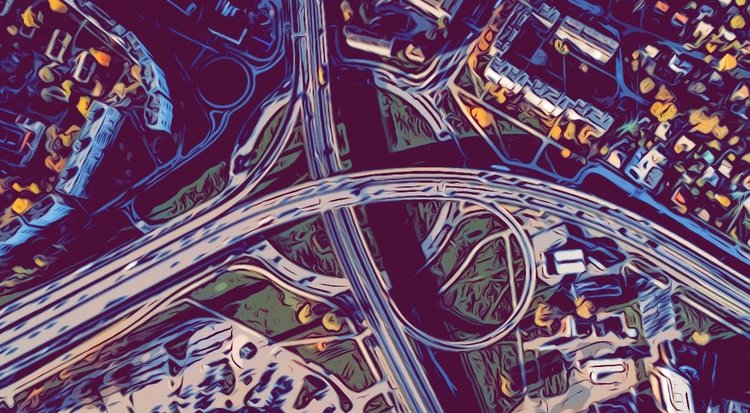
The same is true of traffic and congestion. In increasingly crowded and polluted megacities, it’s important to understand how traffic issues can be alleviated. Understanding traffic flow and where to build new road structures, or introduce new low emission zones is crucial to building the kind of smart city that can sustain current levels of population growth.

Big data is having a huge positive effect on this kind of planning. Thanks to the accuracy and uniqueness of mobile device data and location intelligence, it is changing how decisions are made in cities and towns around the world.

Marketing and advertising

Big data and marketing have always complimented each other. Marketers have always looked to use data sets to improve the efficiency and effect of ads. Using big data to create tailored and relevant audiences is not a new practice.

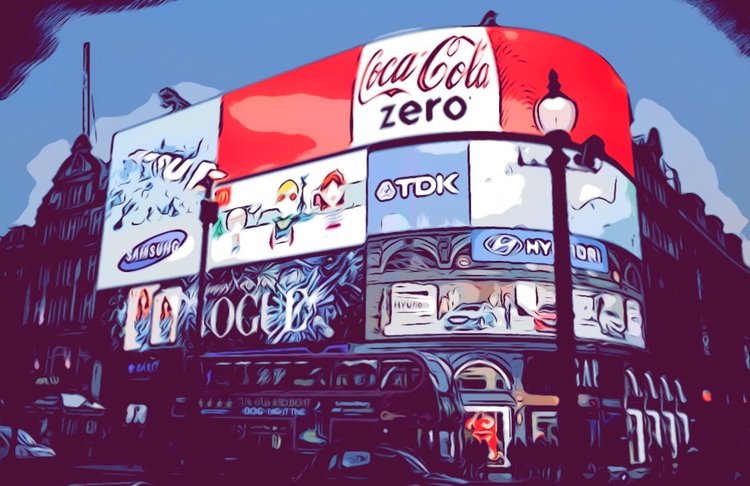
But mobile location data allows marketers and advertisers to connect digital advertising to how consumers behave when they are offline. Understanding how consumers move in the offline world is helping marketers to become more effective. It’s assisting marketers in providing more personal advertising to consumers.

Location intelligence is disrupting many stages of the consumer lifecycle. It’s bringing the analytical capabilities that have been available for the web to the real world.


Segmentation

Mobile device data is helping to build up complex pictures of how people move and behave. This helps advertisers to build complex customer profiles. Brands are finally understanding the places that their customers go and how they interact with the physical world around them.

This is far more effective than other methods of audience segmentation. This is because a person’s location is often a much greater sign of intent than when they are searching for something on a computer, or browsing on their phone whilst sat on the couch.

This allows marketers to identify exactly where consumers are on the buyer journey. Moreover, it allows them to do this with a greater level of detail.


Personalisation

One big breakthrough that big data has had on marketing and advertising is by increasing the ability personalise at scale.

Location data is allowing brands to be helpful and human by understanding the situation of the customer. The concept isn’t new, but the accuracy and increasing size of data sets in the space have allowed commutation to really get personal.

Location help provide promotions at the moment when the customer can actually redeem it. It allows the ‘customers also bought’ experience to reach the real world retail store. In this way, big data is providing digital solutions to offline problems. Location intelligence is tailoring brand communications to a person’s unique experience of the real world.


Customer experience

Big data has changed customer experience for the better. Location intelligence can help to automate way-finding, ordering, assistance and queue management. Understanding the physical location of a person has helped improve the guest experience across many sectors.

Stadiums, resorts, airports, transport hubs all stand to improve the experience of the people who spend time and money in these places. It might be location based ticketing – you buy your ticket by walking onto a train. Or it may be ordering food and drink to your location.

There’s still huge scope for big data and location intelligence to be applied to improve the customer experience.


Attribution

Mobile device data as we have seen has connected many digital walks of life to offline consumer behaviour. Another way that this technology is revolutionising the marketing and advertising space is through attribution.

Traditionally many advertisers have been blind when it came to measuring the impact of offline ads on offline KPIs.

But the mobile device location data is filling in the blanks. Location intelligence can understand when a person is in front of, for example, OOH advertising. It can then measure how many of these people are then seen inside a store or in front of a specific physical product.

Connecting the two provides an accurate way for marketers to measure the impact and ROI of offline advertising inventory. it also allows them to measure the effect of digital advertising on an offline goal. These things have just not been possible with certainty before. But big data has changed the way that advertising can be measured.


AR

If AR is really going to live up to its promises, it will have to rely on complex data sets and accurate location intelligence.

As AR gains prominence it’s application will move beyond fun to play games to useful productivity applications (you can even combine it with some powerful notion templates to really level up). As AR develops, it’s used as a way of reaching audiences with content and advertising will grow. Like previous marketing activity, it will be improved by the use of big data and location intelligence.

AR will require huge amounts of accurate and real-time location data to function properly as a user moves around the real world.

Optimising the supply chain

Big data and location intelligence is impacting organisations that want to optimise the supply chain.

The obvious application of location intelligence in the retail supply chain lies in the ability to understand and track deliveries and supplies. It already being used to generate data sets which can optimise and improve these services.

But location intelligence isn’t just helping business to optimise the process. It’s helping to understand the demand for products. There’s a lot of history of people building something in the hope that people want it to then find out that actually, they don’t.

Another way that big data is helping manufacturing industry to optimise is by helping it to adjust the type of transportation, pickup location or place of sale.

With the rise of location data, these insights are now fuelled by information from the offline world. Insights that have previously been unattainable or have lagged are now available in real-time. This lies at the heart of what is disrupting how the supply chain operates.


Privacy and transparency

As usual with new disrupting activity, the focus in on the responsibility of these new technologies. And rightly so. Indeed those in the big data space will need to be more transparent in how data sets are sourced.

It won’t be enough to simply check a box and start collecting and aggregating personal data. More needs to be done in order to clean up the data supply chain. More control needs to be handed to the user.

In this way, it’s our responsibility to communicate the value of big data and location intelligence to the user. It’s having a huge positive impact across the globe, and that’s just more reason to get the privacy part right.

[mkdf_separator class_name=”” type=”normal” position=”center” color=”#E8E8E8″ border_style=”solid” width=”100%” thickness=”3px” top_margin=”50px” bottom_margin=”20px”]

Learn more about big data

[mkdf_button size=”” type=”” text=”Learn more” custom_class=”” icon_pack=”font_awesome” fa_icon=”” link=”/blog” target=”_self” color=”” hover_color=”” background_color=”” hover_background_color=”” border_color=”” hover_border_color=”” font_size=”” font_weight=”” margin=””]
[mkdf_separator class_name=”” type=”normal” position=”center” color=”#E8E8E8″ border_style=”solid” width=”100%” thickness=”3px” top_margin=”20px” bottom_margin=”0px”]

Related: read more about what location intelligence makes possible.

Categories
Location Intelligence

The Evolution Of Location Based Marketing & Advertising

Let’s get stuck in with a definition.

Location-based marketing is the practice of using physical location to inform and optimize advertising, communication, targeting, loyalty and attribution.

This sometimes also known as location-based advertising or proximity marketing. At the most basic level, it means creating a one-to-one relationship with the customer. Emphasis is placed on communication in the right place, at the best time and with the relevant message.


A history of location-based marketing

Despite popular opinion, location-based advertising has been around for a while. Sure, it hasn’t always been backed by the smart technology in your mobile phone. Buy it has existed in some form. Local marketing strategies have been a key part of marketing since the practice began.

It might not have been as effective, but brands have been trying to target users based on location since well before most of you reading this were born. Advertising space has always been purchased based on its location. Be it a metro station in an affluent Paris Arrondissement. Or a teenager holding a sign advertising bagels in a certain street in NYC.

Location-based marketing has developed a lot since then. The underlying technology has advanced at an alarming rate. The ability to understand where audiences go and the ability to market to these is improved.


IP addresses and targeting over Wi-Fi

Location-based marketing has always been around. But, it did up its game in the 90’s once the internet found its way into most family homes.

The dial-up broadband revolution had begun. Most families now had internet access in their home through (a large) desktop computer. For marketers, this meant that advertising could be delivered to a user based on their IP address. Thus marketers could now target based on location, usually an area the size of a postal area.

There are a few problems though. Unless you have a very specific audience in a single geographical area, it’s difficult to ensure that you are targeting the right people. By today’s marketing standards, an entire postal area is just not specific enough.

Another problem that remains is the lack of ability to understand who is on the other end of the screen. When IP targeting was becoming popular, many families had a single computer. The whole family used this. Dad to research which TV to buy next. Mum to book the family holiday. Kids to play online games. This means that ad dollars could easily be wasted. As advertisers were under the impression that they were delivering highly targeted ads.


The beginnings of mobile targeting

Location-based mobile advertising was the next advance in location tech. Phones become truly mobile in the early 2000’s. They were used by the masses and even your gran had one. This meant two things:

It was now possible to advertise to an individual based on physical location whilst they were on the move.

Location-based marketing companies now had a means of segmentation down to a single person.

This was fantastic and all, but the main issues were still accuracy. Whilst the ability to target an individual on the move was well received, issues still remained. The area in which location could be accurately placed was still too large. Mobile targeting via phone masts was a vital step on the road to personalization. However, those in pursuit of accuracy were still frustrated. It often requires a form of phone validation to ensure the right person is reached.


GPS, geofencing and geotargeting

In the late 2000’s smartphones really took off. The first smart devices appeared and with the first iPhone, the race to create powerful mobile devices went mainstream. This led to rapid growth of mobile device adoption with GPS capability.

This changed mobile targeting for good. It was now possible to use a device’s precise GPS satellite positioning to understand device location. This process is known as geofencing, geomarketing, or geotargeting.

A geofence is a virtual boundary that is defined in order to perform a specific response once a device enters or leaves the defined area. More advanced geofencing is possible. An example is focusing on dwell time. Triggering a response when a device is within a geofence for a minimum amount of time.

The geofence allows for mobile targeting to occur on an individual level anywhere. It means that audience segmentation can occur based on individual movement. But it did more than previously possible. It was now far more accurate. This meant that personalization (relevant to location) was now available. Location-based marketing was now personal and precise. Many growth marketing tools, including those offered by agencies like HubSpot agency, can assist you in collecting additional data on your target audience’s buying habits, demographics, and preferences


Satellite problems and indoor confusion.

Location-based mobile targeting improved in accuracy with the geofence. However, on a precision basis, it’s still not perfect.

GPS has issues in some indoor spaces. So it might be incredibly effective at understanding where a person is in their car whilst driving. As soon as they enter an indoor space, GPS can be temperamental.

Some may argue that this level of detail is neither here nor there. But the problem arises when location data providers can’t differentiate between accurate data and inaccurate data. Advertisers and marketers don’t know when the data fuelling their campaigns is incorrect.


Beacons – iBeacon and Eddystone

You thought that it was location-based marketing you were doing before? How very wrong you were. Beacon adoption was a trend that changed location-based marketing and advertising even further.

Thanks to mobile devices and mobile targeting, advertisers would now focus all efforts on accuracy.

Beacons were the natural next step in this journey. Beacons are small Bluetooth devices that can interact with a mobile device. This interaction allows the device to understand exactly where the mobile device is with an accuracy down to 1 meter. Not only does it do this, it can measure positioning on a vertical basis.

There are two main types of beacon technology; iBeacon and Eddystone. These devices are deployed everywhere from shopping malls to sports stadiums.

This was the true beginning of proximity marketing. Delivering personalizable content with accuracy in precise micro-moments. These moments are relevant to the time, place and person. Beacons also allowed for accurate attribution in the offline world.


But what about scalability?

The problem with Beacons is that they require hardware to be deployed. Unlike Geofencing, where geofences can be set around any place that satellites can reach. Beacons must be physically deployed inside a store, or inside a football stadium. So these individual businesses can enjoy a high level of location-based marketing. Once a person leaves these areas they cannot get the same level of location-based insights.


Enter the network approach

The solution to this problem? The proximity network approach. To maintain beacon based, accurate levels across entire cities, it’s essential to collate this location based hardware. That’s what Tamoco’s proximity network is. It’s a complex network of location-based sensors. This allows for mobile targeting, location-based, marketing and location intelligence and insights at a consistently high level. Moreover, this is available whether the device is indoors, outside, on the first floor and so on.

One issue that many proximity marketing companies have had with location-based advertising is with scalability. Creating a proximity network of location allows for this scalability.


Sensory agnostic and a view of the future?

At Tamoco we take a sensory agnostic approach to location-based marketing. We believe that as technology advances, we need to able to adapt to the changing was that advertising, targeting and marketing will change.

A good example of this is the emerging tech around AR. An AR headset or device is still a sensor. Location is a means to an end for targeting through this medium.

By taking an agnostic approach and ensuring our network approach, we ensure that advertising and marketing can keep up with the cutting edge trends. Moreover, we can ensure that this is available with a precision and scale that those original metro advertisers could only dream of. Using location to improve marketing is here to stay.

[mkdf_separator class_name=”” type=”normal” position=”center” color=”#E8E8E8″ border_style=”solid” width=”100%” thickness=”3px” top_margin=”50px” bottom_margin=”20px”]

See how our data is different

[mkdf_button size=”” type=”” text=”Learn more” custom_class=”” icon_pack=”font_awesome” fa_icon=”” link=”/location-data/” target=”_self” color=”” hover_color=”” background_color=”” hover_background_color=”” border_color=”” hover_border_color=”” font_size=”” font_weight=”” margin=””]
[mkdf_separator class_name=”” type=”normal” position=”center” color=”#E8E8E8″ border_style=”solid” width=”100%” thickness=”3px” top_margin=”20px” bottom_margin=”0px”]

Related: read more about what location intelligence makes possible.

Categories
Location Intelligence

Location Data And Location Intelligence In 2018

The big data analytics space is growing at an alarming rate. We’re all increasingly connected through our mobile devices. This growth has provided huge amounts of data around audiences and how they behave. What kind of competitive advantage can we expect to see from this location data going forward?

Location data is rising in importance. But there are challenges that companies face as location data becomes commonplace. Businesses will need to understand the best application for this data. We’ll look at this as well as how location intelligence will be put to use across many verticals.

How will location data change the way that businesses approach marketing?

Attribution

Location data will become invaluable to marketers as they look to close the online to offline attribution loop. Traditionally this has been a problem for marketers. It’s difficult to attribute real-world visits and purchases to online marketing. 

Location intelligence will help to illuminate what happens in the offline worldwith unprecedented accuracy. Big data will provide insights well beyond the capabilities of loyalty scenes.

As programming becomes more prevalent, location intelligence will be used to ensure that budgets are optimised. With the improvements in attribution, marketers will be able to accurately understand where ad fraud occurs.

Personalization

Big data breeds personalization. Many a case has been made for the importance of big data in personalization. Location intelligence will help marketers to automate personalization. This, in turn, will deliver accurate, personalized content to the right user in the right place.

Big data insights from location data

Location data will provide a competitive advantage, and not just in marketing and advertising. More industries are realising the benefits of real-time mobile location data.

Location data is being collected and stored by over 90% of companies with over 500 employees. The applications of this data are wide-reaching. Understanding consumer behaviour accurately, and in real-time will signal the adoption of location intelligence outside of the marketing and advertising industries. Location data will allow cities to become smarter. It will allow transportation to become more efficient. 


Accuracy and reliability of big data

The accuracy problem

The problem has previously been the accuracy of the data. For companies to use big data to inform business decisions, the data has to be reliable beyond doubt. Location intelligence and precise sensor-driven data now provide this certainty. 

Accuracy and precision will become of paramount importance as technology gets better.  It’s important that businesses that benefit from location data and location intelligence can safely say that they are working from accurate sources. 

First-party location data

Challenges in sourcing accurate first-party data were found with scalability. With a lack of first-party data, unreliable third-party data was used. Often out of date and imprecise, the insights were not reliable. Especially for businesses serious about using location intelligence for commercial success.

Today Tamoco adopts a network approach to location intelligence. This means that through our mobile SDK we can understand mobile device location directly. Thanks to our network approach, we can understand these signals across multiple sensors types. 

This improves accuracy and will allow businesses to act based on a more precise understanding of audience behaviour. 

Real-time data

Location intelligent decisions must be informed by real-time data. Location data must be instantaneous. Data that is out of date is simply not useful for businesses. This means that data must be communicated in real-time to optimise and achieve the desired goals. 

This is another reason why first-party data is important. It allows for location intelligence to occur quickly.

The location of things

The IoT will soon be in everything. For example, by 2020 IoT technology will be in 95% of new product designs for electronics. Now that’s great but it’s only the beginning.

This huge growth will produce large amounts of data. However, it’s may be difficult to interpret data sets without location. Location adds context and a better understanding of what is happening in a specific location. This allows us to better understand the offline world. 

The location of things – the IoT is actually only useful if you know where the thing is. Tamoco’s sensory agnostic approach allows us to gain location intelligence across a wide range of sensors. These range from beacons, Wi-Fi and Geofences to connected IoT devices. This approach allows us to understand location across many different sensors. This creates a deeper understanding of the offline world. Businesses using location data will have to take a similar approach to understand the connected world we live in.

[mkdf_separator class_name=”” type=”normal” position=”center” color=”#E8E8E8″ border_style=”solid” width=”100%” thickness=”3px” top_margin=”50px” bottom_margin=”20px”]

Discover location data

[mkdf_button size=”” type=”” text=”Get started” custom_class=”” icon_pack=”font_awesome” fa_icon=”” link=”/solutions-location-intelligence/” target=”_self” color=”” hover_color=”” background_color=”” hover_background_color=”” border_color=”” hover_border_color=”” font_size=”” font_weight=”” margin=””]
 
[mkdf_separator class_name=”” type=”normal” position=”center” color=”#E8E8E8″ border_style=”solid” width=”100%” thickness=”3px” top_margin=”20px” bottom_margin=”0px”]
Categories
Location Intelligence

How To Improve Mobile Targeting With Location Data

Mobile advertising is growing incredibly fast. Smartphone adoption has never been higher. Accordingly, marketers are adopting a mobile-first approach. As marketers look to target audiences on mobile devices, they will need to adapt to stay effective at targeting the right person, with the right message at the right time. 

Mobile targeting is set to pass other channels as more budget is being allocated to reaching audiences on the move. To stay ahead here’s how to improve mobile targeting and advertising using location data and today’s location based marketing technology. 


Location intelligence is an effective method to improve mobile targeting

Location data is a useful tool to help target mobile devices effectively. It allows in-depth segmentation of mobile audiences. It also facilitates real-time message delivery based on a device’s location.

This level of accurate data insight improves the effectiveness of mobile targeting. Location based marketing has been proven to increase engagement and conversion rates. This is because mobile targeting occurs contextually, at the best possible moment.

Location data is used to build complex mobile audiences profiles. This is achieved by understanding these anonymous location signals. Mobile targeting campaigns should feel personal and relevant to the user.  This is achieved by applying offline behaviour to the targeting process. 

Adding location intelligence to mobile targeting means less chance of delivering content that is irrelevant or annoying. In a world of increased ad-blocking, users want marketing to be helpful. Location based marketing allows mobile targeting campaigns to be just this. They reach users in the best moment with personalized and useful relevancy of the content


Personalize mobile content and combine this with relevant mobile targeting

Location intelligence allows brands and marketers to target users in real-time with accurate and personalized content. Ensure that mobile campaigns combine accurate targeting with contextual content relevant to the user’s location. Personalization should extend beyond simply addressing a user by name. It should be personalized to a level that reflects the location and situation of the mobile device. 

Personalization is key to successful mobile targeting. Improving the relevancy of the content will improve the success of campaigns. High-level mobile personalization is achieved with accurate location data. Understanding the situation of a mobile user allows content to be targeted and personalised. Users are more likely to interact with content that is targeted to their situation. 


Make sure your data is accurate and precise

Using location intelligence to target mobile users in the right micro-moment will improve campaign performance. Targeting devices at exactly the right time ensure that you will reach the user in the best place at the right moment. This requires the location data that fuels your campaign to be precise and instant.

Ensure that your location data partner that can source accurate data in real-time to inform your mobile targeting campaigns. Ask how your data is sourced. Using third-party data may not be helpful as it could be incorrectly sourced or out of date. 

There’s a lot of bad location data out there. Effective mobile targeting should be based on first-party data sourced from precise sensors. For example, at Tamoco, we source location signals across multiple different sensor types. This helps to understand device location with accuracy. It also ensures that errors in location data are not included in data sets. Data is also sourced from first-party sources. This means that there is little chance of data being out of date, or lose accuracy through the reselling of source data. 

Marketers should take accuracy and precision seriously. It means that mobile targeting campaign budgets are as efficient as possible. It ensures that brands and advertisers don’t waste time and money targeting the wrong audience. Each advertising dollar goes further as brands get better, more accurate mobile targeting. 


Apply mobile targeting and attribution across channels

Use location intelligence to understand if your mobile targeting is working. Location based marketing provides accurate attribution after devices are targeted. This allows marketers to understand campaign performance in the offline world. The aim of your targeted mobile campaign might be to send users to a specific store. It makes sense to measure the performance of this using location based attribution.

Many mobile marketers aren’t aware of the huge potential for location in closing the online to offline attribution loop. It can help brands to make better mobile targeting decisions over time.

[mkdf_separator class_name=”” type=”normal” position=”center” color=”#E8E8E8″ border_style=”solid” width=”100%” thickness=”3px” top_margin=”50px” bottom_margin=”20px”]

Discover location based marketing

[mkdf_button size=”” type=”” text=”Get started” custom_class=”” icon_pack=”font_awesome” fa_icon=”” link=”/solutions-advertising-marketing/” target=”_self” color=”” hover_color=”” background_color=”” hover_background_color=”” border_color=”” hover_border_color=”” font_size=”” font_weight=”” margin=””]
 
[mkdf_separator class_name=”” type=”normal” position=”center” color=”#E8E8E8″ border_style=”solid” width=”100%” thickness=”3px” top_margin=”20px” bottom_margin=”0px”]

Related: read more about what location intelligence makes possible.

Categories
Location Intelligence

How To Improve Your App Growth Strategy With Location Data

By 2020 it’s predicted that there will be over 5 million apps in the world. To compete with this number of apps you’re going to need to have a well-planned app strategy to keep your current users happy and find new ones.

If it’s your job to ensure that your app is growing its user base and engagement rates, you might be overlooking a useful tool.

Location data can help with many app challenges facing developers. Using location intelligence you can improve your app engagement strategy, fine tune your app marketing, find new app users and develop your app monetization strategy.

What is location data?

Location data is simply data that provides insights around audience movement. 

This means that users who opt-in to location sharing, receive an improved (or personalized) experience in return. This data has been used for ad targeting in the past, but its application in mobile apps is relevant for developers as it helps improve mobile app experience, and boosts mobile app growth.


Onboarding, user acquisition and app marketing

Your app marketing strategy can benefit hugely from location intelligence. When finding and acquiring new users it’s important to understand your current users as well as possible. This helps you to understand the type of user that will get the most from your app.

Location insights form your app can help you to understand how your users behave in the real world. These insights are valuable when creating an effective user acquisition plan. Using location intelligence you can understand patterns in user behaviour which can help you to fine-tune your app marketing strategy.

It’s essentially understanding your users and identifying traits that group them together. But using location data these insights are more profound.

You can use this data to decide where is best to spend your marketing budget. If you can see that your current users spend a lot of their time in cafes. Then it would make sense to focus your app user acquisition strategy on users in similar locations.

You can add location intelligence to your current paid advertising, be it PPC, social advertising or web adverts. By ensuring that only users that are likely to download and enjoy your app are targeted, you’ll get a better result, and you’ll save money.


Engagement

Your app engagement strategy is fundamental to the success and growth of your mobile app. Learning how to engage your mobile users is part of every developer’s journey – but this can be boosted with location insights.

At the heart of every mobile app engagement strategy lies push notifications. In-app engagement requires communication with your users. But, be very careful. It can be easy to focus only on app engagement metrics and overdo push frequency. This will only serve to annoy your users, and your app engagement strategy will suffer.

Best push notification practices include location. It’s all about communicating with your users in the right micro-moment. Using location this moment can be so accurately defined that your push notifications won’t feel annoying in the slightest.

To increase mobile app engagement you’ll need to define these moments. Using location data you can see in which moments (time and place) your users are most engaged with your app.

From here you can segment notification delivery to users based on where they are. Deliver only in these micro-moments to ensure that your push notification strategy stays relevant.

You’ll see higher engagement rates, your user experience will be improved and they will get more value from your app with location.


Monetization

There are many app monetization challenges that developers must consider. Of course, every app needs to generate revenue – but your app monetization plan must consider the user experience.

Many developers don’t realise that they are missing out on one of the most effective mobile app monetization strategies – monetizing app data.

Mobiel app audiences generate a lot of data. This data is valuable for many different businesses for a variety of reasons.

There are a few crucial benefits of this kind of app monetization strategy. First of all, you can say goodbye to in-app ads.

You can source location data in the background of the app – meaning that the app user experience is not affected by monetization – as it is in other app monetization strategies. That’s why location data monetization can be the best app monetization strategy in terms of user experience.

Secondly, you’ll get more app revenue per user. Location data CPMs can be up to 4 times higher than traditional monetization strategies.

As well as this, the platform becomes less relevant. If you’re tired of thinking of android app monetization strategies vs iOS monetization? Well, data app monetization is a way to level the playing field. You’ll get a much more consistent income across your audience, regardless of platform.

Of course, you’ll need a reliable partner that is experienced in securing big data. It’s also important to get a partner that can help you explain the process to your users.


How to add location to your mobile app

You can get access to all of these services with the Tamoco SDK It gives you access to location-based push notifications – which help you to improve app engagement.

The SDK will help you to access location insights around your mobile users. It will help you to form an effective mobile app monetization strategy. Or you can utilize the data for the personalization or improve your app experience.

For a demo of what you can do with location get in touch via the form below.

[mkdf_separator class_name=”” type=”normal” position=”center” color=”#E8E8E8″ border_style=”solid” width=”100%” thickness=”3px” top_margin=”50px” bottom_margin=”20px”]

Grow your app with Tamoco

[mkdf_button size=”” type=”” text=”Get started” custom_class=”” icon_pack=”font_awesome” fa_icon=”” link=”/solutions-app-developers/” target=”_self” color=”” hover_color=”” background_color=”” hover_background_color=”” border_color=”” hover_border_color=”” font_size=”” font_weight=”” margin=””]
 
[mkdf_separator class_name=”” type=”normal” position=”center” color=”#E8E8E8″ border_style=”solid” width=”100%” thickness=”3px” top_margin=”20px” bottom_margin=”0px”]

Related: read more about what location intelligence makes possible.

Categories
Location Intelligence

Why proximity marketing could be the solution to ad blocking

Why mobile proximity marketing could be the solution to the ad blocking problem

The marketing industry is concerned about the rise in ad blocking, and rightly so. But by utilising mobile proximity marketing, it’s possible to provide valuable, contextual content that won’t spook users into blocking your ads. 


Why do people block ads?

To offer a simple solution for ad blocking kind of misses the point. It’s first important to look at why audiences are flocking towards ad blockers in the first place. 

People hate bad adverts. That’s a fact. If an advert is annoying then audiences will try to block it. Now, there will always be bad ads in the world – unfortunately, that’s the way it’ll be. But when we do manage to get our content in front of the end user, it’s important that it’s relevant and provides value.

What do we mean when we say that an advert is relevant? Well, we want our content to achieve something – but often this is too forced, irrelevant or just plain annoying for the end user. Therefore, it’s important to follow three golden rules to ensure that you aren’t personally responsible for the growth of ad blockers.


The rules, as we see them

Make your content relevant – This means that your content or advert should be delivered in the right moment for the intended audience. No more adverts for products you’ve already purchased. It also involves personalising your content where possible. 

Make your content valuable – If you can provide value to your audience then guess what, they won’t block your ads. Using context is key here – if you can understand a person’s situation, then you can provide them with a solution that’s might help them in that specific moment. 

Deliver your content at the right time, in the right place – if you can do the above and make sure that you are delivering this in an appropriate manner, then you are well on the way to becoming a valuable advertiser. You’ll be looking at a personalised advertising strategy that is relevant and provides value to the end customer, and who would want to block that?


Proximity mobile marketing as a solution

This is a new, effective way of mobile advertising – one which uses context to deliver valuable content to the user at the right moment, in the right place. 

Many within the industry are calling for frequency caps as a solution for ad blocking, and we agree with the concept. In fact, we have included them in our proximity campaigns since we began running them. This means that users will only receive a notification once over a predefined length of time. We believe that if a person didn’t interact with your advert the first time, then sending it another ten times won’t help. 

Producing content that is valuable is the key to creating great relationships with audiences. Proximity marketing is a great way to do this as it places context at the centre of message delivery. This means that the end user’s location is taken into consideration and the content is personalised to suit this context. 

Moving towards this kind of one-to-one advertising creates an environment where the end user can trust advertisers and feel less inclined to block all kinds of adverts. Proximity marketing as part of an advertising strategy provides this. You can define very specific locations in which to deliver content – an example would be close by to your store, this means that the customer would already be in the right frame of mind for shopping, and less likely to be annoyed by your ad. 

By thinking in this way we will begin to overcome the problems that many advertisers have created. By personalising content and providing it in a relevant context we can then begin to build up consumer’s trust, and ensure that our content reaches users and provided them with value at the same time. 

[mkdf_separator class_name=”” type=”normal” position=”center” color=”#E8E8E8″ border_style=”solid” width=”100%” thickness=”3px” top_margin=”50px” bottom_margin=”20px”]

Discover location based marketing

[mkdf_button size=”” type=”” text=”Get started” custom_class=”” icon_pack=”font_awesome” fa_icon=”” link=”/solutions-advertising-marketing/” target=”_self” color=”” hover_color=”” background_color=”” hover_background_color=”” border_color=”” hover_border_color=”” font_size=”” font_weight=”” margin=””]
 
[mkdf_separator class_name=”” type=”normal” position=”center” color=”#E8E8E8″ border_style=”solid” width=”100%” thickness=”3px” top_margin=”20px” bottom_margin=”0px”]

Related: read more about what location intelligence makes possible.

Categories
Location Intelligence

From Location Data To Movement – Why Brands Should Pay Attention

From location to movement – why brands should pay attention.

As marketers are realising the importance of location data, it’s important that they understand the difference between location and movement. They must ensure that the data that informs their strategy is accurate. 


What are location signals?

Location signals are useful for many different kinds of marketing, and can even provide value for a wide range of businesses beyond this domain. When a mobile device notices a location sensor, it can discern its position in relation to this sensor. This occurs in the background, the user does not have to be on their phone. As most people carry their mobile device on them regularly, this means that it’s possible to understand audience behaviour in a multitude of places. This has not been possible before. This is what we call the offline world and it’s an area that is incredibly useful to understand for a variety of reasons. Offline to online marketing is becoming more accessible for brands as the results of its effectiveness come in. 


Why location signals should be accurate

If “data is the new oil” then the quality needs to be considered by those buying the data. Many location data providers are sourcing unreliable location signals. These individual signals are often only from one sensor and can often be misleading for the end data user. By using a series of different location sensors and multiple location points location data becomes more reliable and actionable. Much location data that is sourced from older methods are broken. This needs to be fixed. Accurate location signals combined with complex layering of location data means a moment away from individual, vague location signals towards audience movement – a leap that is much more beneficial for mobile marketers.  


The move towards movement data

It’s important to note that there may be single location signals which do not accurately represent a person’s behaviour. A great example of this is receiving a location signal which places a device close by to a brand’s store. This seems useful for the brand, but multiple data points are instead required to create a detailed profile for this person. Using one location point doesn’t tell us if the person is entering or leaving the store. We don’t know where they came from. We don’t know which section of your store they visited. These extra points are accessible with a network approach to location data. That’s the benefit that we have over deploying sensors only inside your store.

Movement data is much more valuable as it demonstrates a person’s intentions and provides much more context around audience behaviour. By using multiple signals it’s possible to get a much deeper understanding of customers and to eliminate potential data outliers. 


Layers of location data and complete understanding of consumers

As a brand looking to get the most from accurate location data, it becomes important to focus on this movement instead of individual location. It also means creating multiple layers of location behaviour and building complex understanding of audiences in the offline world. This means constructing accurate profiles around audiences and providing context to understand how and why customers are interacting with your venue or product. For example – realising that someone commutes from an affluent borough and works nearby a jewellery store would constitute a context ripe for marketing for said upmarket jewellery store. 

It’s these layers of location data that build up complex contextual audience profiles and facilitates accurate attribution and allows brands to communicate with their audience with personalised one-to-one marketing. 


Application in mobile marketing

Movement signals become extremely valuable for business when applied to mobile marketing. In-depth location data allows brands to communicate one-to-one with their audiences. By understanding the customer journey completely brands can deliver content to audiences that are relevant and valuable to the end user. This level of personalisation involves communicating with audiences in certain locations. This is the traditional application for mobile location data, but this is just the initial step once we have a large number of movement data. 

There are multiple applications beyond content delivery based on movement. Large scale data around consumers offline activity provides incredible insightsthat brands can act upon across their entire marketing strategy. You might realise that many of your customers work nearby, and browse your products on their lunch break. Maybe most visitors come via a specific tube station. This is valuable information when thinking about OOH advertising or store planning. The development from location signals to complex audience movement data should be at the centre of any effective marketing strategy. 

Another area where this is applicable is retargeting. Movement data can help to segment audiences and target people who are further along the consumer journey. This means a much higher ROI and by reaching audiences at the right time with the right content, more effective results. The important aspect of a network approach to this is that this movement data can be understood in external locations – not just inside your own venues. 

It turns out that not all location data was created equally. It’s now time for marketers to push their marketing strategies towards movement.

[mkdf_separator class_name=”” type=”normal” position=”center” color=”#E8E8E8″ border_style=”solid” width=”100%” thickness=”3px” top_margin=”50px” bottom_margin=”20px”]

Discover location based marketing

[mkdf_button size=”” type=”” text=”Get started” custom_class=”” icon_pack=”font_awesome” fa_icon=”” link=”/solutions-advertising-marketing/” target=”_self” color=”” hover_color=”” background_color=”” hover_background_color=”” border_color=”” hover_border_color=”” font_size=”” font_weight=”” margin=””]
 
[mkdf_separator class_name=”” type=”normal” position=”center” color=”#E8E8E8″ border_style=”solid” width=”100%” thickness=”3px” top_margin=”20px” bottom_margin=”0px”]

Related: read more about what location intelligence makes possible.

Categories
Location Intelligence

Location data and the leap towards smart advertising

Brand advertising is changing thanks to location data. It’s becoming much more personal and the relationship between advertiser and consumer is evolving.


Connecting the offline and the online

Location data is leaving its mark on marketing and advertising. Huge amounts of data on what goes on in the offline world is allowing brands to change the way they communicate with their customers.

Location data provides insights into the offline world. This works by understanding where a mobile device is in relation to a proximity sensor. This allows brands to understand the customer journey in great detail, and more towards more personalised, intelligent advertising.


Personalisation is key for marketers and advertisers

Before these kinds of insights were possible, brands used targeted adverts to reach their audience. The advert was often the same regardless of who engaged with it. There was little place for personalisation. The impact of accurate location data has produced the move away from this traditional method of advertising to new personalisation strategies and the desire for brands to create a one-to-one relationship between brands and their customers. This kind of advertising enjoys much higher engagement rates.

This is happening because of location data. It provides the insights that can facilitate this new kind of advertising as it paints a clearer picture of what is going on in the offline world. Personalised advertising is booming and should form an essential part of any digital strategy.


Answering the why and how

It’s now possible to understand the consumer journey in great detail. Methods of collecting location data have made this scalable, allowing brands to create a complex understanding of the behaviour and interaction of large audiences.

These insights answer important questions around consumer behaviour. This level of insight has previously been unattainable. Brands can now confidently answer the why question confidently. That is – why consumers are in certain locations at certain times and why they are interacting with certain brands or products. This attribution is now extended to the offline world.

It provides brands with the ability to learn and adapt in ways that have previously been impossible. This allows brands to be able to answer complex questions surrounding their customers, products and marketing strategy. With location data, brands can build up complex understandings of their customers and locations. This helps to answer important questions, such as why is footfall up on Wednesdays? Or why a certain product is outselling another?


A complete, smarter kind of advertising

Brands are utilising this and developing a much more effective way of communicating with their customers. This involves a one-to-one method of advertising. This feels personal and relevant for the customer and provides them with value. Audiences get content that is appropriate to their situation, rather than annoying adverts that they don’t want or need. Location data is changing digital and mobile marketing, and the way in which brands and audiences communicate.

Contextual advertising and location-based mobile marketing is the best way to personalise the experience. This level of personalisation, based on experience, is part of the driving force towards a new kind of advertising.

[mkdf_separator class_name=”” type=”normal” position=”center” color=”#E8E8E8″ border_style=”solid” width=”100%” thickness=”3px” top_margin=”50px” bottom_margin=”20px”]

Discover location based marketing

[mkdf_button size=”” type=”” text=”Get started” custom_class=”” icon_pack=”font_awesome” fa_icon=”” link=”/solutions-advertising-marketing/” target=”_self” color=”” hover_color=”” background_color=”” hover_background_color=”” border_color=”” hover_border_color=”” font_size=”” font_weight=”” margin=””]
[mkdf_separator class_name=”” type=”normal” position=”center” color=”#E8E8E8″ border_style=”solid” width=”100%” thickness=”3px” top_margin=”20px” bottom_margin=”0px”]

Related: read more about what location intelligence makes possible.

Categories
Location Intelligence

How to Drive Brand App Engagement With Location Data

Adding location to your brand’s mobile app will improve engagement and drive downloads.

As an app publisher, it’s important to keep your audience interested and engaged. Nobody wants to slip into a folder on the third page of the home screen. To keep users fascinated by your app, it’s crucial that you provide them with content that is relevant and provides them with value. One way of doing this is with location.

Apps are integral parts of daily micro-moments, with users spending on average over 30 hours per month in apps. These micro-moments are important for brands to connect with their customers and it’s here that apps create relationships with their audiences.

A mobile app can complement a brand’s offline experience, drive online sales, or just connect with audiences. One thing that improves all of these experiences is location.


Location and engagement for brand apps

Most users are downloading brands app for mainly practical reasons. Maybe it’s to track their orders or find physical real world locations without having to attempt to navigate their mobile browser. But what if it was possible to provide value to users beyond this.

Using location, you can push to your users based on where they are. Further, it’s possible to achieve this at relevant times. For example, you can send a notification to your app audiences when they are close by to a physical store, with promotions, connecting the digital to the physical store. Users who have a positive experience of an app are more likely to keep them installed. Apps that ease their daily lives are valuable, and contextual notifications are valuable for apps.

An example of this can be informing users of offers in nearby places. Understanding where your app is used and prompting them with solutions when in these locations before they even think to use your app as a solution. For example, imagine you have a high street clothes store app on your phone. When you walk into the store you look at your phone to see a notification with something along the lines of “welcome to [insert your store name], head to the third floor for 30% off lingerie”. You can even know that the user has been searching for lingerie already on your app and segment the delivery of these notifications to those whom it’s most relevant. Personalisation is key with proximity mobile marketing.


Driving in-app sales

For all those e-commerce apps out there, number one is sales. How can you drive sales and ensure that you are targeting the right app users with the right notifications? Well, using the Tamoco proximity SDK you can understand how your users behave. That means if you are an online meal delivery app, you can gain insights into which app users have visited venues on your order list. You could then, for example, send a notification to users that reads something along the lines of “why not enjoy [insert restaurant name] for dinner tonight. Available through [insert your app]. Again this provides huge value for the user, optimises your mobile marketing spend and boosts in app sales.

Using the Tamoco analytics platform you can see where your users are making purchases and generate insights around their behaviour. All this is crucial to understanding how audiences are engaging with your app.

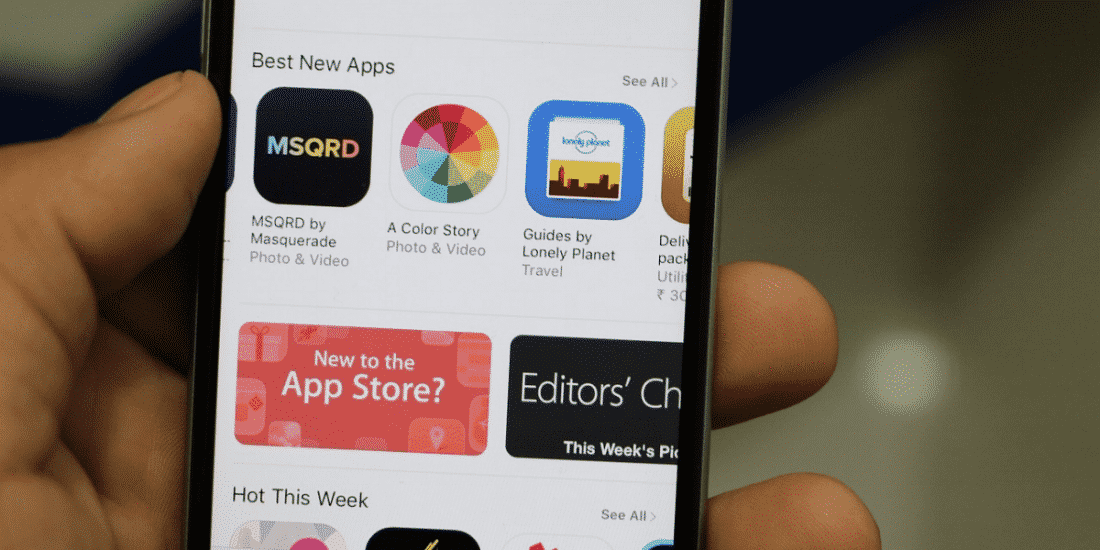
Don’t get lost in the app store back catalogue. Make sure that your app engages and reengages with audiences using location via the Tamoco proximity SDK.

[mkdf_separator class_name=”” type=”normal” position=”center” color=”#E8E8E8″ border_style=”solid” width=”100%” thickness=”3px” top_margin=”50px” bottom_margin=”20px”]

Grow your app with Tamoco

[mkdf_button size=”” type=”” text=”Get started” custom_class=”” icon_pack=”font_awesome” fa_icon=”” link=”/solutions-app-developers/” target=”_self” color=”” hover_color=”” background_color=”” hover_background_color=”” border_color=”” hover_border_color=”” font_size=”” font_weight=”” margin=””]
[mkdf_separator class_name=”” type=”normal” position=”center” color=”#E8E8E8″ border_style=”solid” width=”100%” thickness=”3px” top_margin=”20px” bottom_margin=”0px”]

Related: read more about what location intelligence makes possible.

Categories
Location Intelligence

The 5 steps to creating an effective proximity campaign

If you’d like to know more about mobile proximity marketing, then you’re in the right place. We’ve put together 5 key steps for mobile marketing success.


Step 1 – What are you trying to promote?

This is where you’ll develop a better understanding of your product. If you’ve previously run campaigns with Tamoco you’ll already have a much better understanding of which products provide the most engagement through mobile. But don’t worry if not. Our team is here to help. We can run listening campaigns to help find where your ideal customer is and where is best to target them.


Step 2 – What’s your offer or call to action?

Again, previous campaign data will provide concrete results on this. The point to make here is that it’s not necessarily all about giving something away for nothing. With proximity mobile marketing the consumer sees your advert when it’s relevant. Some of our most successful campaigns have simply notified audiences of relevant venues and products. If it’s relevant to the user, then there’s a high chance they’ll be interested, regardless of huge discounts.


Step 3 – Where should a user receive your notification?

There are a few options here. It depends mainly on the product you are trying to push. It also depends a lot on your competitors.  You can run footfall campaigns that are triggered in locations that are close by to your venue. Audiences will probably have shopping on the mind when in an area close to your store. Therefore, they are much more likely to respond to your content. As a rule of thumb, customers are much more likely to visit if they are nearby, rather than at home in their PJs.

Another option is location triggering around a competitor. Reaching users as they are about to enter a similar store always works well as a proximity campaign. These audiences are already in the right frame of mind to buy your product. A tailored notification could be just the trick to inspire a visit to your store or to generate interest in your product.


Step 4 – When should your content be delivered?

Timing is important in creating highly personalised content and it provides value for the consumer. Why send a notification for ice-cream when there’s a storm? Why encourage visits to your bar at 9 am? Other methods of marketing don’t differentiate and this can just waste marketing spend. Proximity notifications can be triggered based on a multitude of factors, from the weather to the time of day, allowing for you to increase personalisation and optimise spend.


Step 5 – Attribution

No that’s not it. We like to help brands measure and understand their marketing efforts. We can accurately measure the effectiveness of proximity campaigns using the tech on our network. In-venue sensors will measure store activity. This allows for great measurement of ROI and helps for businesses of all kinds to gain a better understanding of customer behaviour.

It also means you can retarget those who are interested in your brand or product. Campaign data is valuable for retargeting purposes, and you can improve marketing efficiency throughout various channels.

Of course, the very nature of personalised advertising can be much more complicated than this. That’s why we recommend that you get in touch with our team. We’d be more than happy to suggest the best campaign for your budget and assist you with any further questions that you may have.

[mkdf_separator class_name=”” type=”normal” position=”center” color=”#E8E8E8″ border_style=”solid” width=”100%” thickness=”3px” top_margin=”50px” bottom_margin=”20px”]

Discover location based marketing

[mkdf_button size=”” type=”” text=”Get started” custom_class=”” icon_pack=”font_awesome” fa_icon=”” link=”/solutions-advertising-marketing/” target=”_self” color=”” hover_color=”” background_color=”” hover_background_color=”” border_color=”” hover_border_color=”” font_size=”” font_weight=”” margin=””]
 
[mkdf_separator class_name=”” type=”normal” position=”center” color=”#E8E8E8″ border_style=”solid” width=”100%” thickness=”3px” top_margin=”20px” bottom_margin=”0px”]

Related: read more about what location intelligence makes possible.