Categories
Mobile Apps & SDK

How to Market Your Mobile App: 6 Best Methods

Let’s say that you released an excellent mobile app for iOS and Android and believe that it can be used by many.

The problem is that both Apple Store and Google Play Store are filled with various applications in all the available categories.

Expecting to just get lucky is hardly a winning strategy. No, you need to create a strategy to help your app go viral.


Some Key Steps to Take Before the Promotion Campaign

Before you begin, there are a few important things to make sure of. For one, the app should be optimized for different devices.

That includes performance and storage consumption. According to the Backlight blog, it can be a bit tricky to manage a smartphone’s storage, and apps that consume more space than they realistically should are the opposite of user-friendly.

Another thing is to optimize the app for a store search. People who are interested in downloading and installing the app should be able to find it without problems.

Finally, get a monetization model in place that clearly states whether the app is free, freemium, or paid. The pricing model should be clear and not mislead the consumers.


Run Ad Campaigns on Social Media

Let’s start with social media. It is often the go-to platform for marketing. Mobile device users browse social media often, so it makes sense to strike where your potential users are.

You can launch a paid ad campaign and set specific demographics that you want to target in relation to what your app offers. 


Post on Forums

Traditional forums are not as prominent as they were back in the day, but you can still find plenty of them. You can encourage influencers to add a link to Instagram bio, helping them direct their followers to download your app and learn more about it.

Creating a thread or replying to a forum user in a way that you can mention your app naturally is a good approach. For instance, if someone creates a thread asking how to save more money and you have an app that helps you manage finances, it makes sense to advertise the app as a potential solution, right?

A similar approach can be made not just on traditional forums. You can find relevant threads on Reddit and Quora, as well as various posts on social media groups.


Collaborate With Influencers

Get in touch with influencers and offer them something in exchange for promoting your application. 

The influencers should have demographics that are relevant to your application. For instance, if the app is all about promoting a healthy lifestyle, then Instagram influencers who have a brand built around a healthy lifestyle are a good fit.

You do not have to limit yourself just to social media. Twitch TV is excellent for those who want to promote a gaming app. 

Even though most Twitch streamers play on computers and consoles rather than mobile devices, there are some who do. Not to mention that some streamers would be fine switching to a mobile game for a bit if the offer is good enough to persuade them. 


Reach Out to Podcasts

Podcasts are worth a shout as well. If you listen to one, you are likely to hear how a service or a product is the sponsor of the episode.

It is common for podcast hosts to monetize their content through various advertising deals or by collaborating with top podcast ad agencies. A short break in the middle of a podcast or an introduction is when you hear the promotional part.

Ideally, you should come on as a guest and talk about it from a developer’s point of view and why people should consider using your app. However, if such an opportunity does not present itself, a simple promotional bit on a podcast is still a good marketing method.


Pitch to Tech Writers

Many tech writers are looking for new things to cover on their websites. Some are eager to get exclusives because the tech industry is competitive. 

You could reach out to various bloggers and let them know about your application. Give them early access and inform them that they are part of an exclusive group that gets to try the app before everyone else. 


Advertise in Apps

In-app advertisements are quite common, especially when an app is free but has a paid version. It encourages users to eliminate the apps by getting the paid version.

One of the downsides of this method is that you might find it difficult to strike a deal with other app developers to let you promote your app on theirs. Nevertheless, the idea is worth a try.


Closing Thoughts

Launching a new app is a stressful feat, especially if you put a lot of effort into it and received positive feedback from your circle. 

The next step is about getting the word out there and letting people know about your application. The methods mentioned in the article should be enough to create a solid marketing campaign but do not be afraid to explore them even further.


Related: read more about how our data is collected and processed.

Categories
Mobile Apps & SDK

Integrating Power Apps and PostgreSQL for Efficient Data Management in IoT Applications

The Internet of Things (IoT) continues to broaden its impact across multiple sectors, catalyzing advancements in automation and instantaneous data analysis. In fact, forecasts indicate that the number of connected IoT devices will surge by 13%, reaching 18.8 billion by the end of 2024. This increase highlights the essential demand for dynamic data management systems capable of expanding and adapting to escalating data volumes. 


This is why employing Microsoft Power Apps with Postgres database presents a dynamic and robust approach to managing this growth effectively. Let’s delve into how these technologies can be applied to enhance IoT applications.


Pexels

Understanding the Components: Power Apps and PostgreSQL

Power Apps comprises a comprehensive suite of applications, services, connectors, and a data framework developed by Microsoft to expedite the creation of bespoke business applications. It empowers users to construct web and mobile applications seamlessly without the need for coding, connecting to an extensive array of data sources both online and on-site. 


PostgreSQL stands as an open-source relational database system, celebrated for its durability, expandability, and efficiency in processing extensive datasets, a vital attribute for IoT applications that produce significant data volumes. 


Power Apps enhance versatility by enabling both non-professional and professional developers to swiftly devise customized solutions that address specific business objectives, making it particularly suitable for IoT applications demanding tailor-made interfaces and functions. Additionally, PostgreSQL’s capacity to support complex data types, such as JSON and arrays, renders it exceptionally apt for efficiently storing varied IoT data structures.

Setting Up the Environment 

To integrate Power Apps with Postgres, you first need a PostgreSQL database up and running. Installation is straightforward on most operating systems. After setting up PostgreSQL, the next step involves configuring Power Apps to connect to this database. This involves using the appropriate data connectors available in Power Apps that facilitate seamless communication between your apps and the PostgreSQL database. 


When configuring the database connection, it’s essential to verify that PostgreSQL permissions are set correctly to ensure secure access from Power Apps. Testing the data flow between the platforms at this stage helps catch any potential integration issues early, making the process smoother as development progresses. Ensuring that both platforms are properly configured to communicate with each other is crucial for the successful deployment of IoT applications.

Designing IoT Data Management Architecture 

The architecture for IoT data management using Power Apps and PostgreSQL involves several key components. Data flows from IoT devices into PostgreSQL, where it is stored and managed. Power Apps can then access this data to perform real-time analytics, visualization, and automation. Security measures such as encryption and secure data access must be integrated into this architecture to protect sensitive information transmitted across networks.

Developing IoT Applications with Power Apps 

Developing IoT applications within Power Apps involves creating intuitive user interfaces that interact with IoT devices. Users can monitor and control these devices based on the data processed by PostgreSQL. For instance, an IoT application can enable users to access sensor data in real time and modify settings after analyzing the data within the application. Linking with PostgreSQL allows these applications to manage extensive data transactions effectively, maintaining both the speed and dependability of the IoT system.

Automating Workflows and Data Processing

Integrating Power Apps with PostgreSQL significantly enhances automation capabilities. Power Apps facilitate the creation of automated workflows that initiate specific actions in PostgreSQL like data input, updates, and deletions, triggered by particular conditions identified within the app. This level of automation expands the functionality of IoT frameworks, supporting the execution of more complex data processing automatically. It minimizes the necessity for manual handling and paves the way for more advanced data management tactics.

Monitoring and Scaling IoT Applications 

Effective monitoring and scalability are essential for maintaining the performance of IoT applications. Power Apps and PostgreSQL provide robust tools for monitoring the health and performance of your IoT applications. 


PostgreSQL’s performance metrics can be monitored through various extensions and third-party tools, while Power Apps provides built-in monitoring features for the applications it hosts. As data volume or user load increases, PostgreSQL’s scalability features can be leveraged to expand database resources, thus supporting a growing IoT environment without degradation in performance.


Pexels

Conclusion 

Deploying Power Apps with a built-in Postgres database for IoT applications not only streamlines data management but also boosts the performance of IoT systems to cope with current data requirements. Utilizing these technologies enables businesses to fully exploit their IoT investments, enhancing productivity and fostering innovation. 


Whether initiating IoT deployment or enhancing an existing framework, the combination of Power Apps and PostgreSQL delivers a persuasive solution. Moving ahead, the significance of cohesive systems in IoT will intensify, essential in harnessing extensive IoT data to inform decision-making and enhance operational effectiveness.


Related: read more about how our data is collected and processed.

Categories
Mobile Apps & SDK

Why Mobile Push Notifications Are a Must for Marketers in 2026

Looking for sure-fire ways to level up your mobile marketing in 2026? Need to increase your ROI and retention rates without going crazy over it? Why not try mobile push notifications in your marketing this year?

And the great news is that this is a proven tactic that thousands of marketers are implementing globally. With so many benefits these messages can drive, there is no wonder why. 

Let’s cover some of the most common reasons why mobile push notifications are necessary for marketers in 2026. 

1. Push Notifications Can Increase Your Retention Rates 3-10X  

According to the stats posted on MoEngage, implementing push notifications in your marketing strategies can boost your retention rates anywhere from 3 to 10 times. That’s huge! You can’t ignore such an amazing marketing tactic that works so well! 

Imagine how much revenue you are leaving on the table with retention rates that are 3 or 10 times lower than they could be with push alerts. This argument alone is strong enough for you to include pushes in your marketing arsenal this year. 

2. The Subscription Rate of Mobile Push Notifications is 2 Times Higher! 

Here comes another great benefit. Users are more responsive to your inquiry to subscribe if you ask them to do this via mobile push notifications. All good marketers know how vital it is to capture the data of the leads. It allows you to start a sequence of marketing messages that can help you educate your users about your offer, its benefits, use cases, etc. And finally, it enables you to monetize your services or products. 

It’s exciting to note here that push notifications on mobile convert visitors into subscribers 2 times better than desktop pushes. 

3. 70% of Mobile App Users Find Push Notifications Helpful 

This is fantastic. Can you believe this? 70% of mobile app users are excited about getting push notifications. That’s because they think they are useful. It means pushes are a great way of communicating your message. People are more receptive to push alerts. And your marketing message can be perceived better if you use the right words at the right time. 

And don’t forget to deliver value to users. Don’t use push notifications only for sending promo messages. This can turn people off and decrease their loyalty to your brand.

Churn and burn is not a good tactic if you looking for long-term success with your mobile marketing activities. 

4. The Unsubscription Rate Stays Lower than 1% if You Send Not More Than Five Push Notifications Per Day 

This is another cool thing about pushes. People don’t hate them. They are open to receiving them and reading them. As a result, the unsubscription rate for pushes is really low. It doesn’t go over 1% if you don’t overdo it with pushes. Just don’t send more than 5 push notification messages per day. And you are good to go. 

5. Pushes Are a Great Way to Engage Your Target Audience

If you’d like to increase the engagement rate of your mobile app, give push alerts a shot. They can be an excellent way of boosting engagement. However, you need to know how to use them properly. Don’t send too many boring direct promo messages. Well, don’t get us wrong. There is nothing bad about promos. On the other hand, be helpful. Try to give value to your users. This is crucial if you want to foster long-term relationships with them. 

More importantly, timing has a great impact on engagement as well. For example, push notifications sent on Tuesday in the first half of the day tend to perform way better than notifications sent on other days. 

6. 95% of Your Client Acquisition Spend is Wasted Without Push Notifications 

Don’t leave the money on the table. You need to take advantage of pushes to get the most out of your marketing efforts. You spend money on acquiring users. Push notifications can help you get a positive ROI on that acquisition spend. In turn, it will allow you to reinvest some profits into your marketing activities. 

On the other hand, ignoring pushes can cost you up to 95% of your acquisition spend. That’s a lot. 

7. Push Notifications Can Be a Great Tool for Dealing with Cart Abandonment 

This is especially helpful for e-commerce stores. You know how many people can leave their carts just before hitting the Buy button, right? Reactivating these users at the right time with the right messages can significantly increase your profits as an online shop without adding more effort and investing more money in various marketing tactics like PPC, SEO, etc. 

There are many ways how you can do cart abandonment marketing campaigns. Most common is sending emails. However, push notifications can also work well for this purpose. 

So, why not try them in your next marketing campaign to incentivize users to finalize the purchase of products they’ve placed in their carts? 

8. The ROI of Using Push Notifications Correctly Can Be as High as 3500%!

You are doing marketing for the sake of one thing. ROI, right? There are many ways how you can boost your ROI. Meticulously implementing push alerts can be a great way to add to your return on investment numbers and make your campaigns more profitable. 

The key here is to know how to program these notifications and what messages to put in them. 

Conclusion

As you can see, push notifications can be an extremely powerful weapon in your marketing arsenal. From boosting the engagement rates and minimizing the acquisition spend to dealing with cart abandonment and increasing your ROI, pushes are a great way to go! 

More and more marketers around the globe acknowledge the power of pushes. Now it’s your turn. Give them a shot and share how they work for you. 


Related: read more about how our data is collected and processed.

Categories
Mobile Apps & SDK

How Food Delivery Apps Benefit from Big Data Analytics

In the fast-paced world of food delivery, staying competitive is crucial for success. Food delivery apps have revolutionized how people order food, providing convenience, speed, and various options. The food delivery market is anticipated to experience a compound annual growth rate (CAGR) of 12.67% between 2023 and 2027, leading to an estimated market size of US$1.65 trillion by 2027.


App developers and businesses have turned to big data analytics to thrive in this industry, gain valuable insights and improve their services. This article will explore how food delivery apps benefit from leveraging big data analytics, enabling them to enhance customer experiences, optimize operations, and drive business growth.


Unlocking the Potential: Big Data Analytics and Its Impact on Food Delivery Apps

Personalized Recommendations and Customer Experience

One of the key advantages of using big data analytics in food delivery apps is the ability to provide personalized recommendations to customers. By analyzing vast amounts of data, including order history, customer preferences, and demographics, apps can offer tailored food suggestions that align with individual tastes and dietary requirements. This level of personalization enhances the customer experience by saving time and effort in selecting their desired meals.


For instance, customers who frequently order vegetarian dishes can be presented with a curated list of vegetarian options from various restaurants, streamlining the decision-making process. Such targeted recommendations increase customer satisfaction and drive repeat orders and customer loyalty.

Demand Prediction and Supply Optimization

Big data analytics plays a crucial role in helping food delivery apps predict demand patterns accurately. By analyzing historical data, weather conditions, local events, and other relevant factors, apps can anticipate peak hours, popular food choices, and high-demand areas. This insight enables app operators to optimize their delivery network, ensuring plenty of delivery personnel and a seamless customer delivery experience.


Additionally, by analyzing customer feedback and ratings, apps can identify restaurants that consistently receive positive reviews and have a high order volume. By partnering closely with such establishments, delivery apps can offer customers popular food options while supporting local businesses. Data-driven supply optimization ensures efficient operations, reduces delivery times, and minimizes the chances of order cancellations or delays.

Enhanced Operational Efficiency

Food delivery apps generate vast amounts of data at every stage of the delivery process, from order placement to delivery completion. Big data analytics empowers these apps to enhance operational efficiency, providing valuable insights into metrics such as average delivery time, driver performance, and order accuracy. By closely monitoring these metrics, app operators can identify bottlenecks and streamline processes, leading to an optimized and cost-effective delivery ecosystem.


For instance, if data analysis reveals specific periods when orders frequently face delays, app operators can strategically allocate additional delivery personnel during those peak hours to ensure timely deliveries. This proactive approach made possible through the implementation of big data analytics, allows apps to identify areas of improvement, optimize route planning, and streamline dispatching operations, which can be achieved through on-demand delivery mobile app development.


Fraud Detection and Prevention

Fraudulent activities, such as fake orders or unauthorized credit card use, pose a significant challenge for food delivery apps. Big data analytics can help identify suspicious patterns, unusual behaviors, and potential fraud incidents by analyzing transactional data and user behavior. Machine learning algorithms can detect anomalies and flag potentially fraudulent activities in real-time.


By leveraging big data analytics, food delivery apps can implement robust security measures to protect customers’ sensitive information and prevent financial losses. This enhances trust and reliability, reassuring customers that their transactions are secure, and further solidifies the app’s reputation.

Data-Driven Business Growth

Data analytics provides food delivery apps with valuable insights into market trends, customer preferences, and emerging patterns. By analyzing this data, businesses can make data-driven decisions, identify growth opportunities, and adapt their strategies accordingly. For example, suppose the data reveals a rising demand for vegan options in a specific area. In that case, apps can partner with vegan restaurants or encourage existing partners to expand their vegan menu offerings.


Moreover, big data analytics helps apps identify new target markets, refine their marketing strategies, and allocate resources effectively. App developers can create targeted marketing campaigns by understanding customer behavior and reaching the right audience with the right message at the right time. This approach increases customer acquisition, enhances brand awareness, and helps businesses grow online.


Furthermore, big data analytics allows food delivery apps to conduct competitive analysis by comparing their performance with industry benchmarks and identifying areas where they can outperform competitors. This insight enables them to differentiate themselves by offering unique features, improving service quality, or expanding their delivery network to gain a competitive edge.

Efficient Inventory Management

Food delivery apps often collaborate with numerous restaurants and food vendors, each with its inventory management systems. By leveraging big data analytics, these apps can gain insights into real-time inventory levels and make informed menu offerings and availability decisions.


Food delivery apps can optimize inventory management processes by analyzing data on ingredient usage, the popularity of certain dishes, and customer demand patterns. This includes reducing food waste by ensuring that restaurants order ingredients based on actual demand and adjusting menu options based on availability. This data-driven approach minimizes stockouts, improves order accuracy, and enhances the overall efficiency of the food delivery ecosystem.


By managing inventory through big data analytics, food delivery apps can maintain a seamless customer experience by offering various options and minimizing the chances of orders being canceled due to unavailability.

Conclusion

In the highly competitive food delivery industry, leveraging big data analytics is essential for app developers and businesses to thrive. By harnessing the power of data, food delivery apps can provide personalized recommendations, optimize their supply and delivery operations, enhance operational efficiency, detect and prevent fraud, and drive data-driven business growth. These benefits improve customer experiences, increase customer loyalty, and sustain business success.


As the food delivery landscape evolves, app developers should prioritize integrating robust data analytics capabilities into their platforms. By doing so, they can stay ahead of the competition, adapt to changing customer preferences, and continue to deliver exceptional service to their users.


Related: read more about how our data is collected and processed.

Categories
Mobile Apps & SDK

What Can a Mobile App Do for Your Online Sales?

First came the computer, and then the cell phone. The Internet emerged then, and so did the smartphone. Little by little, we came to the conclusion that there are a handful of applications ready to be installed in our hands and on our smartphones. All these applications, of course, use the mentioned technological achievements. And it is really difficult to follow the development of technology in an era in which some significant invention appears every day. Many will say that there is no point in being up to date with them. But that would be a mistake they would have to admit very soon. And whether you are ready or not, you will not have many options, but you will have to obey the authority of technological achievements.

The good news is that… this is not such bad news. Once properly implemented, technology can lead to significant growth in your online business. Today, the number of mobile phone users is higher than the number of desktop computer users. What do you believe the explanation for this is? Of course – ease of use.

Customers are rapidly embracing the trend of using mobile applications, and the alternative, which some retailers are trying to resort to by creating mobile versions of Internet sites, has not proved to be good enough. Mostly because the user experience is not comparable to that in the mobile application.

Mobile App vs Mobile Site

What makes a mobile app better than a mobile site?

  • Additional features

Mobile applications contain a number of functionalities that you can take advantage of. Contact list, phone calls, GPS, camera, etc. All of these features make the user experience more interactive and fun. And let’s not forget that they can significantly shorten the time required to perform a certain action.

  • No limitations

Mobile sites, no matter how advanced, still have limitations in the application of various functionalities. With mobile apps, this is not the scenario. Some of the simplest functionalities can make a huge difference in everyday life (swipe, drag, zoom-in…).

  • Ability to work offline

Probably one of the best features of mobile apps is that they can work offline. This feature puts them well above mobile sites. Because even though you probably cannot do all the work without an Internet connection, there are still a lot of things you can do offline.

  • Improved productivity

Mobile apps allow you to track your customers and their purchases and better understand their shopping habits. This can give you a significant advantage because you can keep their favorite products ready, so you do not run out of goods just when your customers need them. You will also be able to predict the content and the time of their next purchase. And we have all learned that the ability to meet customer requirements and prompt delivery, simply means better sales.

  • Increased profit rate

Mobile applications are easy to use and users spend more time searching for your products. The speed factor results in a reduced cost of time and an increased number of purchases. Additionally, applications typically allow personalization through profile settings. Simple personalization that includes information about the interests and location of the customer helps the merchant to personalize his offer to the given customer, which, in turn, results in higher conversions.

E-commerce Mobile App: Profit-wise Advantages of Having One 

A mobile app can help businesses keep ahead of the competition by boosting engagement rates and providing tremendous marketing opportunities, as well as increasing average sales price, raising revenue, and establishing brand loyalty. 

Let’s have a look at the most important advantages of having a mobile app for your business:

  1. Increased Client Satisfaction

A smartphone app is created to satisfy the needs of customers by making it comfortable and simple to use the services available. When compared to traditional websites, it is far more dependable and personalized. It appeals to the consumers’ demand for speed by making any step toward achieving their goals as simple and quick as possible without having to go through a number of clicks.

Customers have grown to expect a quick response to their problems, and the sooner they can communicate their concerns and receive a response, the happier they are. Mobile apps are intended and developed to make this process easier by removing the need for many communication channels such as websites, support services, call centers, and emails. The last-mentioned tool, however, should remain a marketing tool by all means. You can engage with your audience effectively by segmenting newsletters via services such as Benchmark. So you may utilize email messages that are optimized in this way to keep your customers for a lot longer, which is important because acquiring a new customer is five times more costly than holding an existing one. Chatbots (a technology dedicated to simulating human-like encounters with clients by text messages on chat) can automate these operations, i.e. replace many communication channels, based on the specific company FAQs.

  1. Marketing Campaigns That Are More Effective as a Result of Data Analytics

A mobile app allows firms to gather, analyze, and exploit client data in an effective manner. This is important for advertising and marketing since the data acquired allows you to make data-driven judgments to enhance your services. Apps enable businesses to employ data-driven marketing methods to provide clients with a highly individualized experience by analyzing their product preferences, search habits, and comments. Promotions and special offers, for example. With push notifications, an app may rapidly remind users about your services and goods whenever it makes sense, amplifying mobile app engagement by a lot.

As per Google research, 91% of respondents consider shopping notifications on smartphones useful if they are relevant. Furthermore, mobile apps enable crucial insights about how much time users stay on the app, which features are used the most, and which are used the least, allowing app material and features to be customized to deliver content to customers more effectively.

  1. A Strong Bond with a Company

Creating a unique mobile app helps to target a fresh group of customers who prefer apps over traditional forms of communication. Because everyone’s phone has a mobile app, it is a one-stop-shop for acquiring all the important information about the company but also showcasing new items and services. 

This helps firms establish closer interactions with their customers while also building a digital brand image.

  1. Payment in a Convenient Manner & Security

A few of your current financial accounts can be linked to the interconnected payment system in most mobile applications. This type of connection allows users to pay for things directly from the app, eliminating the need for further authentication with external resources. Customers will save a huge amount of time because they will not have to enter their information more than once.

Another benefit of mobile app payments is that they can be built with a protected payment option such as biometric authentication, which recognizes users using their fingerprints or facial recognition. Biometrics defines customers’ perceptions of how protection should work for mobile applications, according to the newest mobile app development trends. This provides an additional layer of security for your customers’ data and money.

  1. Customers Who Are Loyal to You

Mobile apps allow users to find, discover, and order preferred products or services in a matter of minutes, resulting in the greatest possible shopping experience. The more individuals interact with your brand and become satisfied with the products and services you provide, the more they will reciprocate by raising brand awareness, referring you to their friends, and so increasing earnings.

Integrating customer loyalty programs and personalization capabilities into a mobile app is a great approach to building and keeping a customer base. Customers are considerably more willing to revisit if they are rewarded for their purchases, which can be accomplished by sharing relevant specials, discounts, or prizes. Customers become devoted users and brand champions as a result of reciprocating relationships.

Conclusion

To summarize…. Mobile applications are extremely important for your online business. People spend more time in them because of the simplicity and automation of use, but also because of the better shopping experience and the simpler decision-making process. 

Mobile applications can bring new value to your business. And all you have to do is convince your users to try your app.

Related: read more about how our data is collected and processed.

Categories
Mobile Apps & SDK

How to Implement Voice Search Optimization in Your Mobile App

As voice assistants become a staple in everyday life, users are increasingly turning to voice search to interact with their mobile apps. From hands-free commands to faster query results, voice-enabled functionality offers convenience—and users expect it.

If your mobile app isn’t optimized for voice search, you’re not just missing a trend—you’re missing a key user experience improvement that can increase engagement, retention, and overall usability.

This guide outlines how to implement voice search optimization in your mobile app, step-by-step, to meet growing user expectations and gain a competitive edge.

Why Voice Search Matters for Mobile Apps

Voice search is more than a feature—it’s a user behavior. Whether people are multitasking, on the go, or simply prefer speaking over typing, voice provides a faster and more natural way to interact with apps. Think of it like how snapchat planets visually organize your closest connections—voice-enabled apps aim to bring users closer to the features they use most, through intuitive, behavior-based interaction.

Voice search is more than a feature—it’s a user behavior. Whether people are multitasking, on the go, or simply prefer speaking over typing, voice provides a faster and more natural way to interact with apps. Think of it like how snapchat planets visually organize your closest connections—voice-enabled apps aim to bring users closer to the features they use most, through intuitive, behavior-based interaction.

When designing these experiences, small personalization elements—such as allowing users to assign fun robot names to their voice assistants—can deepen engagement. These lighthearted touches humanize the interaction, making users feel more connected and in control of their app environment.

This approach to user interaction isn’t just about convenience—it’s about alignment with how people naturally navigate their digital lives, much like the intuitive flow of Interactive Retail Displays that guide customer decisions in physical stores. By anticipating user needs and minimizing the cognitive load required to complete tasks, mobile apps can replicate the seamless, emotion-driven design found in social platforms. The result? A more immersive, efficient, and habit-forming experience that feels second nature from the first voice command.

According to Stéphanie Tautou, Founder and Chief Creative Officer at Ottawa Street, brands that blend intuitive design with emotional resonance through voice see significantly higher engagement and long-term loyalty.

Benefits of Voice Search Integration:

  • Improved accessibility for users with disabilities
  • Faster search and navigation
  • Enhanced user experience for hands-free environments
  • Increased user engagement and retention

Incorporating voice functionality is especially critical in apps focused on navigation, shopping, media, productivity, and customer service.

Step 1: Understand Voice Search Intent

Voice search queries differ from typed ones. They’re typically longer, more conversational, and framed as questions.

Examples:

  • Typed: “weather Dallas”
  • Voice: “What’s the weather like in Dallas today?”

Action Points:

  • Analyze current app search data for common patterns
  • Anticipate natural language questions users may ask
  • Adjust your app’s search engine or backend logic to handle conversational phrasing

Optimizing for voice begins with understanding how users think and speak—not just how they type.

Step 2: Choose the Right Voice Technology

To implement voice search, you need to integrate a speech recognition engine and natural language processing (NLP) capability.

Popular Voice Tech Options:

  • Google Speech-to-Text API (Android)
  • Apple’s Speech Framework (iOS)
  • Microsoft Azure Cognitive Services
  • Amazon Lex for cross-platform NLP

Choose a tool that aligns with your platform, tech stack, and budget. For example, understanding the Cost of UV Printer technology can offer perspective on the investment levels for other cutting-edge tools. Ensure the engine supports your app’s target language(s) and can be trained to recognize domain-specific terms if needed.

Step 3: Optimize App Content for Voice

Your app’s content must be structured in a way that responds well to voice queries. This includes metadata, search logic, and results formatting.

Optimization Techniques:

  • Include long-tail keywords and natural language in searchable content
  • Create concise, structured answers for FAQ-like queries
  • Ensure your database and indexing system can return relevant results for questions
  • Use schema markup if your app includes web-based content

Voice optimization is about delivering the most relevant answer, fast—and in a way that sounds natural.

Step 4: Design a Voice-First User Experience

A successful voice feature isn’t just about functionality—it’s about user experience.

According to Alex Parker, Operations Manager and Productivity Expert at Work Schedule, designing for voice should prioritize seamless task flow: “Users expect to complete actions faster and more intuitively. Voice integration should feel like a natural part of the app’s rhythm—not a separate feature.”

UX Considerations:

  • Provide visual feedback (like waveforms or animations) when the app is listening
  • Allow users to confirm or cancel voice actions easily
  • Display voice results clearly and allow follow-up interactions via touch or more voice commands
  • Support voice in multiple app areas (search, commands, navigation)

Think beyond search—voice can enhance onboarding, FAQs, navigation, and more.

Step 5: Test and Iterate Based on Real Usage

Like any app feature, voice search needs testing in real-world conditions.

Jordan Blake, Lead Content Strategist and Digital Access Expert at Paywall Bypass, emphasizes, “Voice features succeed not just by functioning, but by learning from real users in real time. Feedback loops and frictionless updates are what turn a good interface into a great experience.”

“Design is not just how something looks—it’s how it feels, especially in voice UX. The smoother the transitions and the more human the interactions, the more likely users are to adopt and advocate for the feature.” A voice-first experience should echo the natural rhythm of conversation, weaving aesthetics with functionality to feel both intelligent and intuitive.

Taylor Morgan, Content Analyst and Ethical Review Specialist at Questionable Content, stresses the need for transparency and ethical considerations in voice-enabled mobile apps. “As developers optimize for speed and accuracy, they must also ensure inclusivity—making sure voice features work reliably across dialects, accessibility contexts, and privacy expectations.”

By baking ethical design principles into the testing process, teams can prevent bias, protect user data, and build trust. This approach doesn’t just reduce liability—it builds long-term brand credibility in an age where digital ethics matter more than ever.


Testing Checklist:

  • Try different accents, speeds, and phrasing styles
  • Monitor usage analytics to see which queries are popular or failing
  • Identify gaps in voice query understanding and retrain your NLP model
  • A/B test voice vs. text interfaces to optimize performance

Real usage data will help refine the experience and improve accuracy over time.

Bonus Tip: Use Voice for In-App Commands

Don’t stop at search. Voice commands can make your app more interactive and user-friendly. For apps related to content creation or social media planning, consider integrating features that help users generate or select IG best captions through voice prompts—boosting productivity and making post scheduling more seamless.

Examples:

  • “Open my saved items” in a shopping app
  • “Add a new task” in a productivity app
  • “Play the next episode” in a streaming app

Designing these voice flows turns your app into a more powerful, intuitive tool.

Conclusion

Voice search optimization is no longer a nice-to-have—it’s a must for any forward-thinking mobile app. By understanding how users interact with voice, choosing the right tech, optimizing content, and designing intuitive voice experiences, you can unlock new levels of usability and engagement.

Implementing voice search today means positioning your app for how users will interact tomorrow. Start small, test often, and keep refining. The more natural your app feels to use, the more loyal your users will be.


Related: read more about how our data is collected and processed.

Categories
Mobile Apps & SDK

4  Essential Route Planning Apps to Empower Your Marketing Team

In the quick-moving marketing scene, effectiveness is vital to remaining in front of the opposition. One essential part of marketing operations that is frequently neglected is route planning. Strategic route planning not only advances the delivery of items or services but, in addition, upgrades the adequacy of marketing campaigns.


We will explore four essential route planning apps explicitly intended to empower your marketing team. These apps smooth out planned operations, limit travel time, and amplify efficiency, empowering your group to zero in on the main thing – crafting compelling marketing strategies and drawing in with clients. Let’s dig into how these innovative apps can reform your marketing efforts and drive better progress for your business.

Understanding the Importance of Route Planning in Marketing


Route planning assumes an urgent role in the progress of marketing endeavors, filling in as the foundation of proficient logistics and strategic outreach. Its importance can be understood from different perspectives:


  1. Optimized resource allocation: Productive route planning ensures that marketing teams designate their assets, including time, labor supply, and spending plan, amplifying their impact. 


  1. Enhanced customer experience: By streamlining delivery routes, organizations can guarantee instant and dependable service, along these lines improving consumer satisfaction and loyalty.


  1. Cost reduction: Smart route planning limits fuel utilization and vehicle mileage, bringing about significant cost savings for marketing operations.


  1. Targeted marketing: By delineating ideal routes, marketers can decisively target explicit topographical regions or demographics, expanding the pertinence and adequacy of their campaigns.


  1. Data-driven insights: Route planning tools give significant information and analytics, empowering marketers to make informed choices and refine their strategies for improved results.
  2. Competitive advantage: Organizations that leverage route planning effectively gain an upper hand by delivering quicker, more customized benefits and outsmarting competitors.


All in all, understanding the significance of route planning in marketing enlightens its diverse advantages, from cost savings to improved consumer loyalty, at last adding to the overall success of marketing endeavors.

4 Essential Route Planning Apps for Marketing Teams


Here’s a roundup of the top route planning customized for marketing teams, offering significant benefits in improving overall business performance.

1. Upper

Upper, a multi-stop route planner app, is your answer for tending to complex routing challenges. Its unmatched capabilities optimize routes, simplifying delivery operations. With features like route planning, optimization, and scheduling, Upper considers factors like time windows, stop needs, distance, accessible drivers, and vehicle type to make the most efficient routes. 


This route planner serves different industries, including delivery professionals, logistics companies, and service-based businesses. Its intuitive interface provides an effective solution for businesses looking to smooth out their operations. Thus, get ahead of the competition with this route planning app, which likewise considers additional distance and time imperatives to fit routes according to specific business needs.


Top features:


  • The OCR feature automates the process of address entry, thereby reducing errors and improving accuracy.
  • This app simplifies the import of CSV or Excel files, enabling users to add hundreds of stops at once and saving valuable time.
  • Users can customize preferences based on time or distance to optimize multiple routes, guaranteeing timely deliveries.
  • Automated customer notifications, via email or text, improve customer communication and enhance customer experience.
  • Real-time analysis and analytics reports offer comprehensive insights into driver, delivery, and operational performance, fostering continuous improvement.
  • The proof of delivery feature, including photo capture, e-signatures, and delivery notes, ensures transparency, thus minimizing delivery disputes.


Pricing: Champions Plan: $19.99/month

2. Footpath Route Planner

Footpath arises as a standout choice among route planning apps, renowned for its flexibility and intuitive design. Its easy-to-use interface, combined with a unique map tracing feature, facilitates the creation of customized routes easily. Explicitly customized to take special care of the requirements of outdoor devotees, including sprinters, cyclists, climbers, and explorers, Footpath has established its standing as an essential tool for travelers. 


Solely accessible on iOS gadgets, Footpath offers a broad scope of planning functionalities, empowering clients to download maps for disconnected use and customize their routes easily. With exact distance estimation, elevation tracking, and turn-by-turn voice navigation, Footpath takes outdoor investigation higher than ever, furnishing clients with the certainty to navigate new territories easily. Besides, Footpath keeps on advancing, with regular updates and enhancements pointed toward enhancing the client experience.

Top features

  • Clients are engaged to set aside 5 routes, with the choice to open limitless routes through Footpath Elite, taking care of differing route needs.
  • Easily trace routes by following roads, trails, or ways on Footpath’s nitty gritty topo maps, ensuring accuracy and simplicity of route. 
  • Pathway offers assorted send-out choices, including GPX import/trade, TCX, and FIT export, guaranteeing consistent similarity across various stages. 
  • Helpfully oversee auto-restoration, cancellation, and feature changes through iTunes, giving clients a hassle-free encounter and guaranteeing adaptability in subscription management.
  • Consistently share planned routes with companions or exercise accomplices, encouraging joint effort and upgrading outdoor experiences.

Pricing: $32 per month per vehicle

3. Routin

Routin does an amazing job of catering explicitly to the necessities of delivery businesses and sales experts. It enables experts to meet as well as surpass customer assumptions. With its instinctive point of interaction, Routin improves on stop arranging, drawing in drivers to set out on adventures that enhance adequacy without any problem. The emphasis on efficiency is apparent, permitting businesses to constantly redesign their delivery activities. 


From driver following to flexible informing, Routin’s advanced features guarantee proficient delivery management and encourage unrivaled customer faithfulness. The platform not only simplifies the process of arranging stops but also provides significant highlights like constant driver following and customizable messaging, guaranteeing a consistent and customized delivery experience.

Top Features


  • Routes are carefully optimized to facilitate time and fuel-saving deliveries, in this way improving productivity and reducing functional costs for drivers and organizations.
  • With its rapid route optimization algorithm, Routin can enhance routes with up to 100 stops in under 5 seconds, facilitating swift planning and seamless execution.
  • Planned with flexibility, this application takes special care of the different necessities of drivers, obliging day-to-day plans going from only a few stops to up to 300 stops.
  • It gives different languages voice input features, smoothing out the method involved with adding notes and stops and improving overall client convenience.
  • Routin seamlessly integrates with leading mapping services such as Yandex Maps, Google Maps, and Waze, providing drivers with extensive route support.

Pricing: Free (But In-app purchases included)

4. DynoRoute

DynoRoute stands as the epitome of navigation simplicity, solely customized for iOS devices to guarantee seamless and proficient deliveries. Its easy-to-understand interface enables drivers to easily include delivery data and follow advanced routes, smoothing out the delivery interaction and saving valuable time and assets for new companies and established  organizations.

Besides, DynoRoute flawlessly integrates with existing frameworks, offering a holistic solution that takes special care of organizations. By harnessing the power of DynoRoute, organizations can achieve significant savings of up to 20% on delivery compared with fixed agreements. Offering flexible payment options, for example, pay-as-you-go or credit points, DynoRoute adjusts to the unique requirements of every business, providing unrivaled adaptability and cost adequacy.

 Top features

  • DynoRoute offers unparalleled flexibility by allowing businesses to create tailored routes that align with unique business requirements.
  • It is compatible across various systems, facilitating route export in CSV or Excel formats for enhanced convenience and flexibility.
  • The seamless integration of Apple Maps with DynoRoute provides drivers with intuitive guidance, thereby enhancing navigation efficiency.
  • Users can access comprehensive reports generated by DynoRoute to analyze delivery performance and fine-tune improvement strategies.
  • This app uses advanced algorithms to strategize and optimize routes, ensuring maximum efficiency in every delivery endeavor.

Pricing: Pay-as-you-go: $7.99 for 500 credits


This is how the above route planning applications can help businesses improve productivity, reduce costs, and enhance the overall experience of customers. To learn more about building a successful business app read here.

Key Features to Look for in Route Planning Applications


While choosing a route planning application for your marketing group, it’s fundamental to consider a few key elements that can essentially influence its viability:


  1. Customizable routes: Search for applications that permit customization of routes in light of explicit standards, for example, time requirements, traffic conditions, and client inclinations.


  1. Real-time updates: Ensure that the app gives continuous updates on traffic, climate, and different factors influencing route efficiency to adjust rapidly to evolving conditions. 


  1. Integration capabilities:Pick applications that seamlessly integrate with your current CRM, marketing or field service management software to streamline operations and data management.


  1. Optimization algorithms: Opt for apps with cutting-edge optimization algorithms that can work out the most efficient routes, limiting travel time and augmenting efficiency.


  1. User-friendly interface: The application ought to have an intuitive interface that is not difficult to explore, permitting your team to design and execute routes without extensive training.


  1. Reporting and analytics: Search for features that give detailed reporting and analytics on route execution, empowering you to recognize regions for improvement and upgrade future campaigns.


Thus, choosing a route planning application with these key features can engage your marketing group, smooth out tasks, and further develop effectiveness. For further insights on crafting a thriving business application, delve into our comprehensive guide here.

Final Thought


To summarize, going through route planning applications has revealed insight into the irreplaceable job they play in empowering marketing teams. By harnessing the power of these tools, marketing experts can streamline asset distribution, improve client encounters, and drive down functional expenses. Besides, integrating route planning apps into marketing strategies enables organizations to craft targeted campaigns, utilizing data-driven insights for customized client encounters.


As innovation keeps on advancing, so too will the abilities of route planning applications, offering considerably more noteworthy potential for innovation and growth in marketing operations. By embracing these tools and staying receptive to emerging patterns, organizations can situate themselves at the very front of the marketing scene, driving enduring effects and forging grounded associations with their clients.

Related: read more about how our data is collected and processed.

Categories
Mobile Apps & SDK

4 Ways Big Data Can Skyrocket Your Mobile App Marketing

Do you need help to acquire, engage, and retain your users in the fiercely competitive mobile app realm? Does the continuously evolving landscape and shifting mindsets make it challenging to craft an efficient strategy? 

You are not alone; several marketers are grappling with this issue that hinders their marketing success. The good news is you can navigate this challenge by adopting Big Data analytics.  

Leveraging the available data and information, this technology can help you address the pain points and shift your strategies to meet the user’s needs. The global Big Data analytics market will reach $655.53 by 2029 as per Statista, which indicates the huge potential for insight-backed decisions. This figure highlights how Big Data can help to play an important role in user engagement and retention. 

If you want to develop your mobile application then you can greatly benefit from integrating Big Data analytics. This approach enhances user satisfaction, fosters loyalty, and helps to improve long-term success in the marketplace.

This article will explore the top four ways in which Big Data can supercharge your mobile app marketing and attain specific goals.  

Top Four Ways to Use Big Data in Mobile App Marketing

Big Data can become a game changer for businesses, helping them engage and retain. You can analyze the user’s behavior and preferences to refine your marketing strategies. 

#1 Utilize Big Data for Precision-Targeted User Acquisition

As a mobile app marketer, your biggest challenge is knowing the audience and ensuring your marketing efforts reach them. However, the vast landscape makes it slightly difficult to reach the immediate audience. 

This results in shallow marketing outcomes, and reduced retention. What if you could target the actual users of your application? Big Data analytics assures marketers of being able to achieve this with ease.

You can use the information made available by the users to dive into the demographics, interests, and behaviors. This can help you plan a more targeted and defined marketing campaign for the users. 

You can use simple social media interactions with app usage data to segment the people who will use the application. Next, you personalize the message for them. When they see a more tailored and defined message, they will download the application. Your acquisition efforts are rewarded, and you will notice an increase in conversion rates. 

For example, if you are a health and fitness app, you need people interested in the segment to join you. You must target the gym goer or weight loss enthusiasts as your ideal target audience. You must study their app behavior and preferences to position and market your application.  

#2 Enhance User Engagement with Data-Driven Insights

You are constantly struggling with keeping up the engagement to ensure maximum revenue generation. Keeping them engaged in an application can be difficult. A lot of businesses notice that users churn after a point. 

You can avoid this by leveraging the power of Big Data analytics. Understand the user and their usage before proceeding with the marketing decisions.

Analyse the aspects such as session length, the features they use, and their interactions. Look for areas that frustrate them the most. You can use analytics tools to understand the user’s behavior within the application. 

These insights will help find the improvement possibilities and optimize the solution for engagement/retention. 

For example, you studied the user’s movement through the app and noticed a lot of people are churning at the onboarding stage. You might want to check the frustrations they experience. Once you understand them, try to work on minimizing these by adding pointers or pop-ups. 

The idea is to use the insights to improve the features and personalize the marketing. In the case of marketing, You can also use onboarding as the stage. Tell them how you onboard and make the journey effective. This would also maximize your downloads. 

When you cater to their needs, you will notice an increase in engagement and loyalty. 

#3 Optimize Your App with User-Centric Insights from Big Data

Users stay on the app longer when they notice the app developers taking an acute interest in their needs. When you follow their lead and identify the strengths/weaknesses in your app, you can improve it for them.

Big data offers invaluable opportunities to incorporate their feedback and continuously upgrade the app. You can leverage the potential of insights to build a user-centric application. 

You can use their feedback, reviews and other crucial metrics (loading speed, crashes, bugs) to determine the frustrations and pain points. For instance, continuous crashes or bugs need to be addressed immediately. When you do that, the user feels listened and they will continue to stay with you.

You can also use their mentions of the app to understand the features they need or updates that interest them. This will help you stay relevant amidst competition and ensure long-lasting engagement.

You can also use these insights to market your app and position it with unique value. 

#4 Differentiate Your App with Unique Insights and Value Propositions

Differentiating your product is key to maximizing your audience and increasing conversions. Most users look for the differentiated value your app will offer to download and use it. 

Big Data analytics can identify the primary insights related to competition, engagement and marketing. You can use these insights to determine the gaps and find the differentiated value you offer. 

You can use these gaps to position your product in the market and employ diverse marketing campaigns. This point of differentiation will help you build narratives that interest and engage your users. 

For example, you may find that the competitors are not engaging with a particular niche. You will also learn they don’t offer a specific feature or solution that is in demand. This will help you build the USP for your product and the marketing narratives. 

These insights can help you be more relevant and address the actual pain points of the users. 

Conclusion

Big Data is a crucial and worthy addition to your mobile app marketing strategy. It can uplift your marketing outcomes by addressing the pain points and defining the apt positioning. 

You can use these insights to improve acquisitions, engage your users better and optimize the product. You can even use this to identify the existing gaps and leverage them to define your marketing campaigns. 

With the ever-evolving volume and complexity of information, Big Data is a must-have for every marketer. It will help build data-backed campaigns to ensure targeted and sustainable marketing outcomes. 


https://smallseotools.com/view-report/2038c7362a969a6c089b7fbea9a27570/


https://smallseotools.com/view-report/c9728ee3ff5a0ae6bd9dc991b4285532/


Related: read more about how our data is collected and processed.

Categories
Mobile Apps & SDK

Top 6 Features Every Smartphone App Should Have in 2026

The incessant release of junk apps and bloatware in smartphone app stores has perpetuated a bad reputation for most apps. 


Many modern apps often have unfinished features, intrusive monetisation practices, or half-baked design choices—in other words, features that can swiftly lead users to uninstall the app.


In general, this is a good and a bad thing for the app industry. The bad part lies in the reality that most users automatically suspect new apps as being deceptive or bad, barely giving many apps a fair shot. 


The good news is that developers can exceed user expectations and create a user experience more easily. They can achieve this by leveraging the right technology and tapping into the right network to bring their app idea to life in a way that’s smart, efficient, and beneficial to its intended audience.


Of course, achieving such a feat is easier said than done. Many app developers and teams struggle to create a great app from start to finish for various reasons, from a lack of resources to a limited ability to execute ideas to code.


However, it is possible with the right strategy and knowledge base. If you want your smartphone app to succeed in 2026 and beyond, you’re in the right place. This article will delve into the top features every smartphone app should consider adding to stay ahead of the competition.


Let’s jump into it and look into these features in greater detail.

  1. AI-Powered Personalisation

Artificial intelligence has penetrated nearly every industry in recent years, and in the app development field, things are no different. In fact, AI is arguably the most felt in this field for the everyday consumer—as many of AI’s capabilities run on computer systems like smartphones.


With that said, jumping onto the AI trend is something every app developer should consider. There are many ways AI can improve an app, from streamlining customer data more accurately to creating more efficient functions through its generative and predictive capabilities.


As a classic example of AI in action, many app developers and websites are turning to AI-run chatbots to handle customer inquiries through chat. This helps lessen the load of your customer service workforce. It also enables 24/7 operations without having to hire workers to handle overtime operations—all in a cost-effective package.


Of course, the nature of your app matters a tonne in this regard. If you have a shopping app, for instance, you can use AI to push more relevant products to specific customer segments. If you’re developing a game, then you can use AI to adjust level difficulty depending on the player’s skill level and performance in previous rounds.


By harnessing AI tools to craft a better user experience, the resulting app can be more efficient and intuitive. Furthermore, 2026 will very likely see more developers integrating AI into their apps. If you don’t want to trail behind the competition, having AI improve your app’s functionality is something you should deeply consider.

  1. Cross-Platform Compatibility

In 2026, cross-platform compatibility is something that many developers have perfected and integrated seamlessly into their apps. Game data and document files can be synchronised and accessed on both phones and desktops, with some app types offering real-time simultaneity. 


Lagging behind in the cross-platform department can cause friction in the user experience, which can lead to a poor user experience and users switching to another app to fulfil their needs. If you struggle in this department, tapping into seasoned app developers like the PixelForce app development team can help scale your project to new heights.


The most common way developers implement cross-platform compatibility is by using cloud-based storage and seamless API integrations. Cloud syncing helps update user data and progress whenever a user has finished using the app on a respective device, eliminating the need for manual transfers.


Moreover, app development software like Flutter, Unity, and React Native also grant developers the ability to easily build apps that work smoothly on iOS, Android, and Windows devices without extensive reprogramming. 


When a platform has cross-platform compatibility, it makes for a more accessible, engaging, and seamless experience for its users. This can make the app more attractive and widely adopted in 2026, as users continue to own and switch between different smartphone brands and operating systems.

  1. Enhanced Security and Privacy Features

Apps need to have safeguards in place to protect themselves against cybersecurity threats that may arise. 


Sensitive user data, including personal details and passwords, can be exposed if security measures are inadequate. Ideally, these data points should be scrambled, limited, and heavily encrypted to ensure that there’ll be no vulnerabilities that can cause data breaches.


Besides reinforcing your app’s backend security, you should also create authentication processes to allow users to have more control over their personal information. Enabling features such as facial recognition and biometric authentication can be an effective way of reducing unauthorised breaches.


With each passing year, cyber threats continue to proliferate and strengthen. App developers need to continuously stay on top of these threats and create systems to ensure that their app won’t be easily accessed by unscrupulous actors and that they remain complaint with global data regulations.

  1. Versatile Payment Options

In 2026, more people are switching to cashless options to make payments. In the world of apps and mobile games, cashless payments is the go-to way to make purchases, whether you’re paying for the app from the app store, subscribing to a service, or making microtransactions.


As much as possible, you should integrate multiple payment methods into your app for seamless checkouts for all types of users. Being able to grant Apple Pay, Google Pay, PayPal, and credit card payments is a good way to increase payment flexibility and improve user satisfaction.


When users can pay however they want, they’ll be less likely to not abandon carts and instead push through with the purchase. This can mean more revenue for your business. Of course, it’s also essential to ensure that these payment methods are secure and that payment systems are thorough and comprehensive.

  1. Intuitive User Design and UX

Most users are quick to uninstall an app that fails to meet their standards in terms of visual appeal. The same outcome is bound to happen if the app’s interface is also clunky and hard to navigate. 


As an app developer, it’s crucial to prioritise making apps with clean interfaces, adaptive layouts, and little to no clutter. Giving users the ability to personalise the app to their liking—like having dark mode features—is also a great way to improve the user experience and cement your app’s reputation as a reliable and trustworthy one.


There are many ways app developers can improve the UX and UI experience of their app. Apps can integrate AI to auto-adjust UI elements based on past user behaviour, for instance. Smart suggestions, like an auto-fill toolbar, also helps make the app easier to work with—making it appealing for customers.


By focusing on the user and creating an app that caters to their needs, your app will be positiond for success in the long run.

  1. Smart Push Notifications

The average smartphone has 35 apps installed on their phone. While this may seem like a lot, a vast majority of them consist of the popular social media, banking, and entertainment apps. Only a small handful of these apps are particularly unique across phones.


As an app developer, you want your users to be active on your app and make payments. But you don’t want to be overly intrusive to the point that users get annoyed and choose to uninstall your app altogether. You want to strike a balance.


In 2026, you should focus on building a strategy in optimising your app’s notifications and reminders. Consider A/B testing different messages and frequencies and figuring out the most engaging strategy for your app. Moreover, ensure that your userbase can silence notifications or get custom alerts to control how and when they receive updates.


By being smart about your push notifications, you can engage and inform users without becoming disruptive. This can ultimately lead to them continuously using your app and remaining loyal to it. 

Related: read more about how our data is collected and processed.

Categories
Mobile Apps & SDK

Top 5 Android Framework Options To Ensure High-Quality Performance And Consistency In Apps

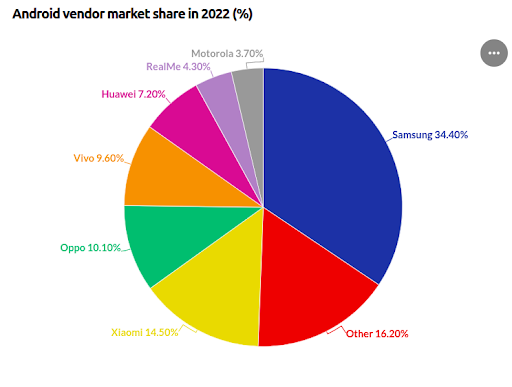
According to statistics, Android now has over 2.8 billion monthly active users, representing 75% of the worldwide mobile operating system market. As a result, mobile apps are becoming a standard part of the marketing strategy of businesses of all sizes.

https://www.businessofapps.com/data/android-statistics/ – source link 

With people’s growing dependence on their mobile devices, companies have realized the importance of apps in fostering lasting relationships with their clientele. This is why the direction of Android app development is shifting to serve a broader range of sectors.

As a result of this level of competition, it is complicated to create dependable software. Android development frameworks are here to aid developers by speeding up and optimizing the process.

However, picking the best frameworks for Android app development is a challenge. The Android framework you choose should be determined by the kind of app you’re building and the specifics of your project.

We’ve compiled a detailed summary and comparison of many robust Android frameworks to make this simpler for you.


Flutter

Google’s Flutter is a framework for creating mobile apps that takes a different approach than existing frameworks. It simplifies the development process for many platforms, making it easier to create polished Android user interfaces. Flutter is a reliable testing framework for UI, unit, and functionality tests, despite the never-ending discussion over its superiority over React Native. Flutter’s accessibility features include a screen reader, a shorter development time, and faster rendering and themes for Android app development.

Pros

  • Fixing faults in an app is a breeze because of Flutter’s real-time ability to make changes to it.
  • Smooth speed is a hallmark of applications built using Flutter, contributing to a positive user experience.
  • The time spent on quality control and testing may be reduced by using a single code base.
  • Flutter has a quick and productive development cycle.

Cons

  • Flutter applications are often robust and feature-rich.
  • Unfortunately, browser support for Flutter applications is still in its infancy. 
  • Although Flutter has had a lot of success, it has not yet been around long enough to amass a huge library of information.
  • You’ll need to learn Dart to work with Flutter, although it’s not a common language.


React Native 

A recent poll found that React Native was the most widely utilized among cross-platform smartphone frameworks. By employing platform-based interface components and built-in APIs for inducing a natural look and feel, React Native simplifies, speeds up mobile app development, and reduces the overall cost of the process. For example, the ‘hot-reload’ function allows coders to change files without affecting the running program. With the help of an Android app development company, this can be easily overcome. 

Pros

  • Improved efficiency and third-party library compatibility
  • Effective growth at a reasonable price
  • Validated and time-tested structure
  • Great popularity & strong backing
  • Design that is both modular and intuitive


Cons

  • Challenging to fix bugs in
  • In no way does it reduce the time needed for testing
  • It’s harder to test now


Xamarin

Microsoft’s Xamarin is a powerful app development platform for creating cutting-edge Android applications in .NET. Xamarin’s sophisticated collection of tools makes it possible for programmers to collaborate on code written in either C# or Xamarin. Recently developed technologies in the visual studio IDE have prompted widespread use in various sectors, including healthcare and the energy sector.

Pros

  • Use one piece of code across several different devices
  • Provides enhancements to the user interface that make it seem almost natural.
  • This includes libraries and tools.
  • Rather than updating each version of an app, you should instead update them all simultaneously.


Cons

  • Smaller community
  • Limited library 
  • More hiccups with the API


Ionic

Using HTML5, CSS3, and JavaScript, Ionic is a free, open-source, cross-platform app development framework that makes creating hybrid apps a breeze. The designed applications are compatible with a wide range of mobile platforms. Due to its versatility, it has become one of the most widely used frameworks for creating apps with a perfect team. Ionic incorporates various software components, including gestures and animations, to make creating high-quality Android mobile applications easier.

Pros

  • Native and web-optimized programs that are easy on the developers
  • The adaptive design pattern for each platform
  • Several different plugins and methods of integration are available


Cons

  • Inconvenient bug-hunting
  • Fragile constructions fail without warning
  • Exposure to local storage


Titanium Appcelerator

Similarly, Appcelerator Titanium is a free and open-source software framework that doesn’t need knowledge of Java or Objective-C to build native applications utilizing web technologies like HTML5, JavaScript, and CSS3.

60% to 90% of the code base is already in place, allowing developers to quickly and easily construct multi-platform apps. Performance-wise, applications built using this framework are at par with native APIs.

Pros

  • Prototyping in a short time
  • Designed for use on the web, which streamlines the creation procedure
  • Highly portable and reusable code across several platforms


Cons

  • The level of complicatedness is rising
  • Constrictions on adaptability
  • Irresponsible and slow-moving app performance


Final Thoughts

It can be challenging to figure out which Android framework is best-suited for building apps. What is effective for one business and app may not be for another. So first, consider what features and tools your app or project requires explicitly, then choose a framework accordingly. And to walk you through that dilemma, a top-notch service-based industry is perfect; be cautious while choosing one. 

Related: read more about how our data is collected and processed.