
Categories
Apps

How To Engage Your App Users And Improve App Store Rank

How to engage with your mobile app users and rank higher in the App Store. 

Location can improve app engagement. Creating a valuable relationship with your app audience should be the upmost priority for app developers. There’s no quick fix to acquiring millions of users, ranking highly and generating huge income than creating a great, engaging and useful app. 


If you take a look at the best ranked apps at the moment you might notice a common trend. They understand the importance of micro-moments and implement a strategy which utilises these moments to engage with their users. These are the specific interactions within a mobile app that create high value for the app user. If you get them right these can be the difference between a user becoming your biggest ambassador or deleting your app moments after downloading it. Location is the perfect toolkit to engage with app users, keep them coming back for more and ensure that your app keeps on shooting up the App Store rankings. 

Since higher levels of engagement help your app to rank higher in the App Store (ranking is dependent upon activity and how quickly your app is deleted once it’s downloaded) you’d think that more publishers would spend more time figuring out how to reengage users. A huge twenty-five percent of apps are discarded after being used only once. It has never been more important to for mobile app publishers to encourage engagement, without this you won’t get new users, and you’ll quickly lose the ones you have already gained. Luckily, location might be the solution to both of these problems. 


Add context to your app experience

For a mobile app to engage users it must have a high value proposition. Increasingly, many developers overlook the fact that their app provides little benefit to the audience, or it does at the incorrect moment. As an example, let’s take a look at the push notification. 

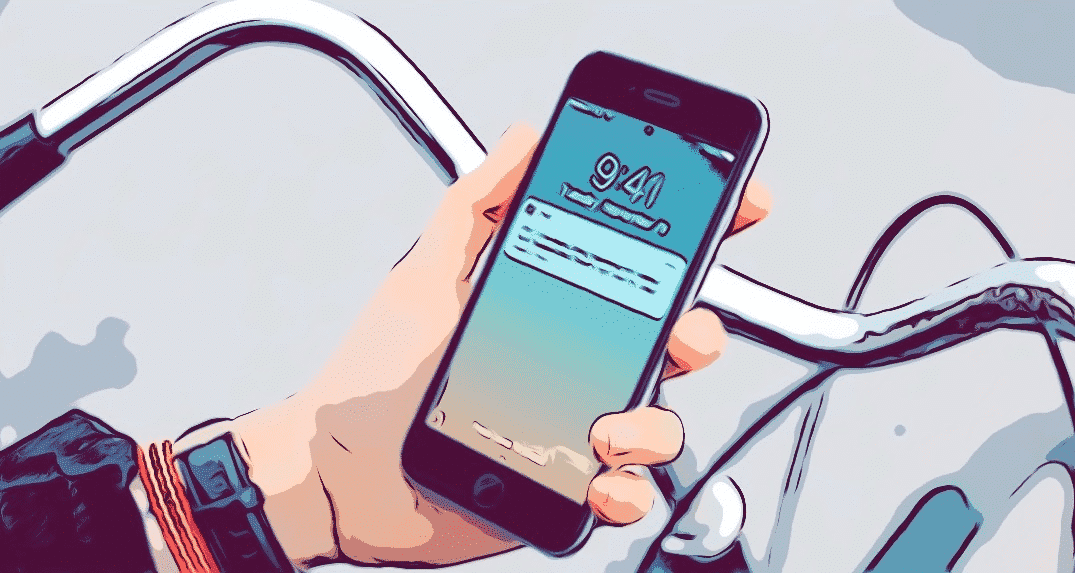
Adding location to push notification strategy is a great example of reaching users in the right moment. Location technology allows you deliver a customised notification to your users based on their environment, location and behaviour. Interacting with your audience in this way is much more effective and engaging than sending push notifications blindly, without the insights provided by location tech.

This engagement helps you to rank higher in the App Store – ranking is dependent upon how often your app is engaged with and how quickly your app is deleted once it’s downloaded.  This is why it’s important to encourage engagement, without it, you won’t get new users. Location is pivotal to this engagement.

We know that nagging push notifications can have an adverse effect on app engagement. It’s important to ensure that your notifications are useful to the end user, rather than just encouraging them to open the app. Adding a location enabling SDK to your app can achieve this – by adding context to your notification delivery then you omit irrelevant communication and increase the value that your app provides to your users. They will thank you for this value by engaging more often with your app. 

This works by using highly precise location signals to trigger the delivery of notifications. For example, by segmenting the audience that receives the notification based on relevance. By understanding what your app user is doing, why they are there, app developers can create an effective engagement strategy. All app owners should be asking themselves these important questions – and location integration can answer them. 


Measurement, analytics and attribution. 


Adding a proximity SDK to your app allows app developers to create a measurement strategy which provides valuable insights into user engagement and behaviour. 

These insights are available with a simple integration, for example, Tamoco offers our partners real-time insights through our analytics platform. This allows apps to visualise their app engagement and understand and measure engagement strategies. Every app is different and will have varying KPIs, but location tech can help to measure these effectively. 

But it’s not all about insights, it’s also about attribution outside of your app. For example, if your app is a branded clothing app with a real-world store, you can measure physical store visits as well as successful e-commerce journeys through the app. This way you will receive a much more comprehensive ROI for your in-app marketing strategy. A good example is the looking at WhatsApp for Ecommerce.

The important part for app owners is that these insights are highly actionable and all ultimately help you to engage with new and existing users. For example, if you understand where most of your users are engaging with your notifications, and you can understand the context (perhaps they just left the local tube station). These insights tell you much more than just how many users opened your notification, they help to analyse why you are getting such a high/low engagement rate. This helps you to improve and create an effective engagement strategy. 


Monetise app engagement


Whilst improving app engagement, app publishers can provide some extra income by allowing third-party brands on our network to send notifications. This provides added value for your users as we ensure that your app only delivers relevant content in the right moment. 

For example, if you want to retain your mobile audience then you’ll want to provide them with value in your app, through relevant notifications and in-app experiences. 

Let’s say that you have a lifestyle app. If a third party brand that is relevant to your app audience is running a nearby event or offer then it could be worthwhile to allow them to advertise it through your app. Using proximity technology we only deliver this to relevant app users, based on their location. 

You’ll receive a cut of the campaign budget for allowing them to use your mobile app to reach this audience. You can define the number of notifications that each user receives, this means that you have complete control over what is delivered to your mobile audience. 

Tamoco, for example, has hundreds of clients on our proximity network who are willing to use third party apps to reach users. You could provide high value to your users and that will keep them engaged and ensure that they keep your app on their phone. This generates behavioural data around your audience. Information of this kind is very useful for app developers. They can gain valuable insights into their audience, understand their actions and understand

Before you know it you’ll be shooting up the rankings and that means more opportunities for background monetisation. 

[mkdf_separator class_name=”” type=”normal” position=”center” color=”#E8E8E8″ border_style=”solid” width=”100%” thickness=”3px” top_margin=”50px” bottom_margin=”20px”]

Grow your app with Tamoco

[mkdf_button size=”” type=”” text=”Get started” custom_class=”” icon_pack=”font_awesome” fa_icon=”” link=”/solutions-app-developers/” target=”_self” color=”” hover_color=”” background_color=”” hover_background_color=”” border_color=”” hover_border_color=”” font_size=”” font_weight=”” margin=””]
 
[mkdf_separator class_name=”” type=”normal” position=”center” color=”#E8E8E8″ border_style=”solid” width=”100%” thickness=”3px” top_margin=”20px” bottom_margin=”0px”]
Categories
Marketing & Advertising

Why proximity marketing could be the solution to ad blocking

Why mobile proximity marketing could be the solution to the ad blocking problem

The marketing industry is concerned about the rise in ad blocking, and rightly so. But by utilising mobile proximity marketing, it’s possible to provide valuable, contextual content that won’t spook users into blocking your ads. 


Why do people block ads?

To offer a simple solution for ad blocking kind of misses the point. It’s first important to look at why audiences are flocking towards ad blockers in the first place. 

People hate bad adverts. That’s a fact. If an advert is annoying then audiences will try to block it. Now, there will always be bad ads in the world – unfortunately, that’s the way it’ll be. But when we do manage to get our content in front of the end user, it’s important that it’s relevant and provides value.

What do we mean when we say that an advert is relevant? Well, we want our content to achieve something – but often this is too forced, irrelevant or just plain annoying for the end user. Therefore, it’s important to follow three golden rules to ensure that you aren’t personally responsible for the growth of ad blockers.


The rules, as we see them

Make your content relevant – This means that your content or advert should be delivered in the right moment for the intended audience. No more adverts for products you’ve already purchased. It also involves personalising your content where possible. 

Make your content valuable – If you can provide value to your audience then guess what, they won’t block your ads. Using context is key here – if you can understand a person’s situation, then you can provide them with a solution that’s might help them in that specific moment. 

Deliver your content at the right time, in the right place – if you can do the above and make sure that you are delivering this in an appropriate manner, then you are well on the way to becoming a valuable advertiser. You’ll be looking at a personalised advertising strategy that is relevant and provides value to the end customer, and who would want to block that?


Proximity mobile marketing as a solution

This is a new, effective way of mobile advertising – one which uses context to deliver valuable content to the user at the right moment, in the right place. 

Many within the industry are calling for frequency caps as a solution for ad blocking, and we agree with the concept. In fact, we have included them in our proximity campaigns since we began running them. This means that users will only receive a notification once over a predefined length of time. We believe that if a person didn’t interact with your advert the first time, then sending it another ten times won’t help. 

Producing content that is valuable is the key to creating great relationships with audiences. Proximity marketing is a great way to do this as it places context at the centre of message delivery. This means that the end user’s location is taken into consideration and the content is personalised to suit this context. 

Moving towards this kind of one-to-one advertising creates an environment where the end user can trust advertisers and feel less inclined to block all kinds of adverts. Proximity marketing as part of an advertising strategy provides this. You can define very specific locations in which to deliver content – an example would be close by to your store, this means that the customer would already be in the right frame of mind for shopping, and less likely to be annoyed by your ad. 

By thinking in this way we will begin to overcome the problems that many advertisers have created. By personalising content and providing it in a relevant context we can then begin to build up consumer’s trust, and ensure that our content reaches users and provided them with value at the same time. 

[mkdf_separator class_name=”” type=”normal” position=”center” color=”#E8E8E8″ border_style=”solid” width=”100%” thickness=”3px” top_margin=”50px” bottom_margin=”20px”]

Discover location based marketing

[mkdf_button size=”” type=”” text=”Get started” custom_class=”” icon_pack=”font_awesome” fa_icon=”” link=”/solutions-advertising-marketing/” target=”_self” color=”” hover_color=”” background_color=”” hover_background_color=”” border_color=”” hover_border_color=”” font_size=”” font_weight=”” margin=””]
 
[mkdf_separator class_name=”” type=”normal” position=”center” color=”#E8E8E8″ border_style=”solid” width=”100%” thickness=”3px” top_margin=”20px” bottom_margin=”0px”]
Categories
Marketing & Advertising

From Location Data To Movement – Why Brands Should Pay Attention

From location to movement – why brands should pay attention.

As marketers are realising the importance of location data, it’s important that they understand the difference between location and movement. They must ensure that the data that informs their strategy is accurate. 


What are location signals?

Location signals are useful for many different kinds of marketing, and can even provide value for a wide range of businesses beyond this domain. When a mobile device notices a location sensor, it can discern its position in relation to this sensor. This occurs in the background, the user does not have to be on their phone. As most people carry their mobile device on them regularly, this means that it’s possible to understand audience behaviour in a multitude of places. This has not been possible before. This is what we call the offline world and it’s an area that is incredibly useful to understand for a variety of reasons. Offline to online marketing is becoming more accessible for brands as the results of its effectiveness come in. 


Why location signals should be accurate

If “data is the new oil” then the quality needs to be considered by those buying the data. Many location data providers are sourcing unreliable location signals. These individual signals are often only from one sensor and can often be misleading for the end data user. By using a series of different location sensors and multiple location points location data becomes more reliable and actionable. Much location data that is sourced from older methods are broken. This needs to be fixed. Accurate location signals combined with complex layering of location data means a moment away from individual, vague location signals towards audience movement – a leap that is much more beneficial for mobile marketers.  


The move towards movement data

It’s important to note that there may be single location signals which do not accurately represent a person’s behaviour. A great example of this is receiving a location signal which places a device close by to a brand’s store. This seems useful for the brand, but multiple data points are instead required to create a detailed profile for this person. Using one location point doesn’t tell us if the person is entering or leaving the store. We don’t know where they came from. We don’t know which section of your store they visited. These extra points are accessible with a network approach to location data. That’s the benefit that we have over deploying sensors only inside your store.

Movement data is much more valuable as it demonstrates a person’s intentions and provides much more context around audience behaviour. By using multiple signals it’s possible to get a much deeper understanding of customers and to eliminate potential data outliers. 


Layers of location data and complete understanding of consumers

As a brand looking to get the most from accurate location data, it becomes important to focus on this movement instead of individual location. It also means creating multiple layers of location behaviour and building complex understanding of audiences in the offline world. This means constructing accurate profiles around audiences and providing context to understand how and why customers are interacting with your venue or product. For example – realising that someone commutes from an affluent borough and works nearby a jewellery store would constitute a context ripe for marketing for said upmarket jewellery store. 

It’s these layers of location data that build up complex contextual audience profiles and facilitates accurate attribution and allows brands to communicate with their audience with personalised one-to-one marketing. 


Application in mobile marketing

Movement signals become extremely valuable for business when applied to mobile marketing. In-depth location data allows brands to communicate one-to-one with their audiences. By understanding the customer journey completely brands can deliver content to audiences that are relevant and valuable to the end user. This level of personalisation involves communicating with audiences in certain locations. This is the traditional application for mobile location data, but this is just the initial step once we have a large number of movement data. 

There are multiple applications beyond content delivery based on movement. Large scale data around consumers offline activity provides incredible insightsthat brands can act upon across their entire marketing strategy. You might realise that many of your customers work nearby, and browse your products on their lunch break. Maybe most visitors come via a specific tube station. This is valuable information when thinking about OOH advertising or store planning. The development from location signals to complex audience movement data should be at the centre of any effective marketing strategy. 

Another area where this is applicable is retargeting. Movement data can help to segment audiences and target people who are further along the consumer journey. This means a much higher ROI and by reaching audiences at the right time with the right content, more effective results. The important aspect of a network approach to this is that this movement data can be understood in external locations – not just inside your own venues. 

It turns out that not all location data was created equally. It’s now time for marketers to push their marketing strategies towards movement.

[mkdf_separator class_name=”” type=”normal” position=”center” color=”#E8E8E8″ border_style=”solid” width=”100%” thickness=”3px” top_margin=”50px” bottom_margin=”20px”]

Discover location based marketing

[mkdf_button size=”” type=”” text=”Get started” custom_class=”” icon_pack=”font_awesome” fa_icon=”” link=”/solutions-advertising-marketing/” target=”_self” color=”” hover_color=”” background_color=”” hover_background_color=”” border_color=”” hover_border_color=”” font_size=”” font_weight=”” margin=””]
 
[mkdf_separator class_name=”” type=”normal” position=”center” color=”#E8E8E8″ border_style=”solid” width=”100%” thickness=”3px” top_margin=”20px” bottom_margin=”0px”]
Categories
Marketing & Advertising

Location data and retail – optimising OOH

Retail brands can utilise location data in order to optimise their OOH advertising and gain offline attribution based on store visits. 


What is location data

For retailers, it’s important to understand what is going on in and around your store.

This kind of retail insight is already available for online adverts. You can tell how many people view your advert, click it and purchase your product. But in the real-world physical store, the customer journey becomes more difficult to pin down. How can you determine the effectiveness of your out-of-home, physical advertising? Offline consumer attribution involves using accurate, proximity location data to understand how audiences react to your out-of-home advertising.

When we talk about location data, we are talking about understanding how consumers move in and around your retail space. This is what we like to call the offline world. Understanding it is valuable for brands and can present information that can dramatically improve footfall and sales. According to a recent report, over 96% of surveyed marketers believe that location data is a key part of their mobile marketing strategy. My question is – what were the other 4% thinking?


An accurate solution to an old problem

Retail brands are beginning to realise that this is important and that it’s a crucial part in any successful retail marketing strategy. What brands might not realise is how accurate this data can be, and the effect this can have on OOH advertising. Location data is precise – and provides an accurate understanding of the customer journey. With the right proximity sensors, you can measure this journey with an accuracy of up to 1m. 

This accuracy is provided by the number and precision of the sensors on our proximity network. This delivers valuable insights into retail environments, and how consumers move. One application of this data is to measure the effectiveness of OOH and redefine how your OOH works. 

It’s currently quite difficult to measure how real-world adverts are performing. Attribution is key for the modern marketer and It’s not always apparent where footfall traffic is coming from. Location data solves this problem by allowing unprecedented insights into the journey to store and to purchase. 


Let’s look at how this could work for retail brands.

Using location data, you can understand when a user is in front of your advert. You can then use in-store sensors for attribution – to understand which users then visited your store because of the OOH. 

Very quickly this can give insights into how your physical adverts are performing. You can understand which customers respond best to your OOH and determine how much of your footfall traffic is being generated from these adverts. This provides an accurate ROI for physical advertising.

With the accuracy of proximity sensors it’s possible to even determine which area of the store users visit after viewing OOH. This kind of insight is unprecidented and provides numerous advanatages for brands that implement this strategy. 

These insights are highly actionable for brands. For example, using real-time location data marketers can adjust OOH advertisements in real-time depending on footfall data.

[mkdf_separator class_name=”” type=”normal” position=”center” color=”#E8E8E8″ border_style=”solid” width=”100%” thickness=”3px” top_margin=”50px” bottom_margin=”20px”]

Discover location based marketing

[mkdf_button size=”” type=”” text=”Get started” custom_class=”” icon_pack=”font_awesome” fa_icon=”” link=”/solutions-advertising-marketing/” target=”_self” color=”” hover_color=”” background_color=”” hover_background_color=”” border_color=”” hover_border_color=”” font_size=”” font_weight=”” margin=””]
 
[mkdf_separator class_name=”” type=”normal” position=”center” color=”#E8E8E8″ border_style=”solid” width=”100%” thickness=”3px” top_margin=”20px” bottom_margin=”0px”]
Categories
Marketing & Advertising

Location data and the leap towards smart advertising

Brand advertising is changing thanks to location data. It’s becoming much more personal and the relationship between advertiser and consumer is evolving.


Connecting the offline and the online

Location data is leaving its mark on marketing and advertising. Huge amounts of data on what goes on in the offline world is allowing brands to change the way they communicate with their customers.

Location data provides insights into the offline world. This works by understanding where a mobile device is in relation to a proximity sensor. This allows brands to understand the customer journey in great detail, and more towards more personalised, intelligent advertising.


Personalisation is key for marketers and advertisers

Before these kinds of insights were possible, brands used targeted adverts to reach their audience. The advert was often the same regardless of who engaged with it. There was little place for personalisation. The impact of accurate location data has produced the move away from this traditional method of advertising to new personalisation strategies and the desire for brands to create a one-to-one relationship between brands and their customers. This kind of advertising enjoys much higher engagement rates.

This is happening because of location data. It provides the insights that can facilitate this new kind of advertising as it paints a clearer picture of what is going on in the offline world. Personalised advertising is booming and should form an essential part of any digital strategy.


Answering the why and how

It’s now possible to understand the consumer journey in great detail. Methods of collecting location data have made this scalable, allowing brands to create a complex understanding of the behaviour and interaction of large audiences.

These insights answer important questions around consumer behaviour. This level of insight has previously been unattainable. Brands can now confidently answer the why question confidently. That is – why consumers are in certain locations at certain times and why they are interacting with certain brands or products. This attribution is now extended to the offline world.

It provides brands with the ability to learn and adapt in ways that have previously been impossible. This allows brands to be able to answer complex questions surrounding their customers, products and marketing strategy. With location data, brands can build up complex understandings of their customers and locations. This helps to answer important questions, such as why is footfall up on Wednesdays? Or why a certain product is outselling another?


A complete, smarter kind of advertising

Brands are utilising this and developing a much more effective way of communicating with their customers. This involves a one-to-one method of advertising. This feels personal and relevant for the customer and provides them with value. Audiences get content that is appropriate to their situation, rather than annoying adverts that they don’t want or need. Location data is changing digital and mobile marketing, and the way in which brands and audiences communicate.

Contextual advertising and location-based mobile marketing is the best way to personalise the experience. This level of personalisation, based on experience, is part of the driving force towards a new kind of advertising.

[mkdf_separator class_name=”” type=”normal” position=”center” color=”#E8E8E8″ border_style=”solid” width=”100%” thickness=”3px” top_margin=”50px” bottom_margin=”20px”]

Discover location based marketing

[mkdf_button size=”” type=”” text=”Get started” custom_class=”” icon_pack=”font_awesome” fa_icon=”” link=”/solutions-advertising-marketing/” target=”_self” color=”” hover_color=”” background_color=”” hover_background_color=”” border_color=”” hover_border_color=”” font_size=”” font_weight=”” margin=””]
[mkdf_separator class_name=”” type=”normal” position=”center” color=”#E8E8E8″ border_style=”solid” width=”100%” thickness=”3px” top_margin=”20px” bottom_margin=”0px”]
Categories
Marketing & Advertising

The huge opportunity that Apple’s NFC announcement presents

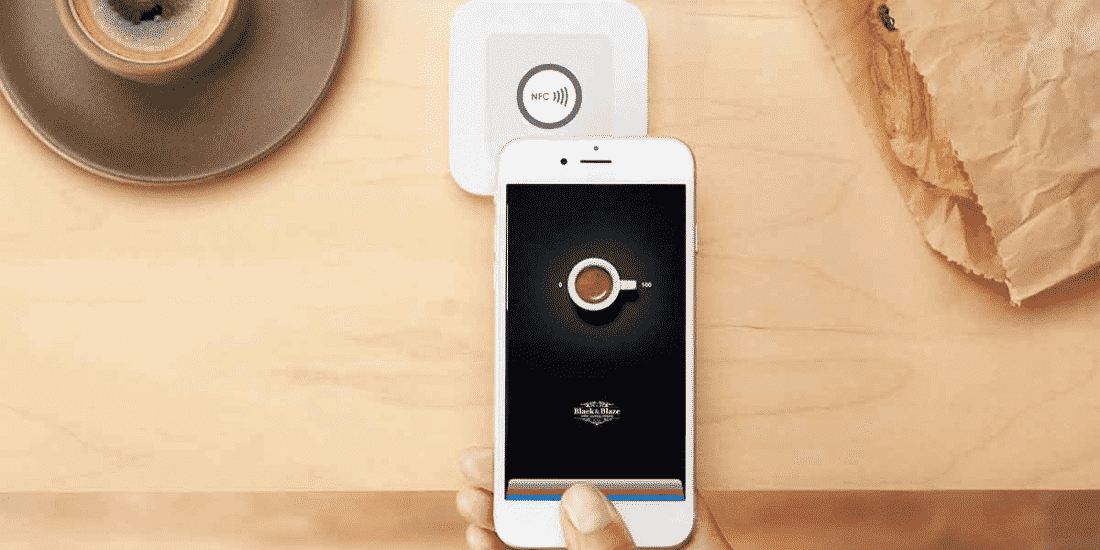
Apple has announced support for NFC tags on their newest phone and watch models. Whilst Android has supported the technology since 2010, Apple is now joining the party and allowing brands to connect with millions of extra smartphone users.

As the world looks towards mobile first, there are still many wide-ranging applications for NFC at different stages of the customer journey. NFC is effective at engaging with lingering audiences in specific environments. We’ve been running this kind of campaign for brands for over four years. Here are a few ways that brands can utilize them to engage with their mobile customers.


Interactive content

Brands can use NFC as a part of their existing physical advertising strategy by adding interactivity to real-world advertising. This adds another dimension to your advertising and allows customers to access digital content through the physical world.

NFC tags vastly improve product engagement inside a store or venue. The tags are very small and can be placed inside product labels. Tapping the tag with a device can reveal product information and ensure that your message directly reaches the customer when they in the optimal micro-moment.

For stores or venues, the possibilities are endless. Think making your food order by tapping the item on the menu. Or for stores that have large items, it’s possible to tap an assembled item in a showroom to arrange for collection or delivery at the end of the store journey.


App downloads

Have you recently seen a physical advertisement for an app and liked the look of it? The customer journey from this moment to downloading the app to your device is lengthy and there’s a high potential for audiences to not get past in the App Store search bar. With NFC you can simply tap your device on the advert and it will automatically take you to the relevant page.

For brands with a dedicated app, this can help to drive sales and app downloads simultaneously. Improving the customer journey from advert to download should be a priority for app-driven businesses.


Drive social campaigns

Brands can utilise NFC to allow audiences to quickly engage with and add a social element to their campaigns. Whether it’s tap to check in or tap to follow/like a brand page, NFC provides an interactive social aspect to physical advertising. Nearly every active consumer is linked to a social media account and engaging with this can provide brands with long-term value from a single interactive engagement.

Beyond the immediate like or check-in, it’s important for brands to look at the lifetime value of having someone engage with their social media account. NFC makes this interaction simpler for the consumer.


Insights for brands

As with all aspects of mobile marketing – insights are key for brands that are keen to develop their mobile marketing strategy and understand their customers. NFC campaigns provide value beyond engagement by offering brands in-depth insights around the audiences that interact with their content. This provides the opportunity to retarget those who engage with their brand. Social tags can provide further insights into audiences. It’s possible to retarget users based on social brand interaction and NFC can facilitate this.

Tamoco is already well placed to help brands benefit from NFC tags. We’re monitoring what the Apple announcement will mean for NFC accessibility – whether it will be a native feaature, or require an seperate app to activate. But the general consensus is that brands will now have a much larger audience at their disposal, and can utilise the power of NFC tags to drive engagement.  Connecting the offline product and the online world with NFC technology can help brands to create more relevant relationships with their audiences.

Apple’s history of avoiding NFC seems to be a thing of the past. Tamoco is on the cutting edge of NFC technology – we’ll be working closely with brands to reach new audiences using NFC. Get in touch to discuss how to plan your mobile marketing strategy once the new devices ship later this year.

[mkdf_separator class_name=”” type=”normal” position=”center” color=”#E8E8E8″ border_style=”solid” width=”100%” thickness=”3px” top_margin=”50px” bottom_margin=”20px”]

Discover location based marketing

[mkdf_button size=”” type=”” text=”Get started” custom_class=”” icon_pack=”font_awesome” fa_icon=”” link=”/solutions-advertising-marketing/” target=”_self” color=”” hover_color=”” background_color=”” hover_background_color=”” border_color=”” hover_border_color=”” font_size=”” font_weight=”” margin=””]
[mkdf_separator class_name=”” type=”normal” position=”center” color=”#E8E8E8″ border_style=”solid” width=”100%” thickness=”3px” top_margin=”20px” bottom_margin=”0px”]
Categories
Apps

How to Drive Brand App Engagement With Location Data

Adding location to your brand’s mobile app will improve engagement and drive downloads.

As an app publisher, it’s important to keep your audience interested and engaged. Nobody wants to slip into a folder on the third page of the home screen. To keep users fascinated by your app, it’s crucial that you provide them with content that is relevant and provides them with value. One way of doing this is with location.

Apps are integral parts of daily micro-moments, with users spending on average over 30 hours per month in apps. These micro-moments are important for brands to connect with their customers and it’s here that apps create relationships with their audiences.

A mobile app can complement a brand’s offline experience, drive online sales, or just connect with audiences. One thing that improves all of these experiences is location.


Location and engagement for brand apps

Most users are downloading brands app for mainly practical reasons. Maybe it’s to track their orders or find physical real world locations without having to attempt to navigate their mobile browser. But what if it was possible to provide value to users beyond this.

Using location, you can push to your users based on where they are. Further, it’s possible to achieve this at relevant times. For example, you can send a notification to your app audiences when they are close by to a physical store, with promotions, connecting the digital to the physical store. Users who have a positive experience of an app are more likely to keep them installed. Apps that ease their daily lives are valuable, and contextual notifications are valuable for apps.

An example of this can be informing users of offers in nearby places. Understanding where your app is used and prompting them with solutions when in these locations before they even think to use your app as a solution. For example, imagine you have a high street clothes store app on your phone. When you walk into the store you look at your phone to see a notification with something along the lines of “welcome to [insert your store name], head to the third floor for 30% off lingerie”. You can even know that the user has been searching for lingerie already on your app and segment the delivery of these notifications to those whom it’s most relevant. Personalisation is key with proximity mobile marketing.


Driving in-app sales

For all those e-commerce apps out there, number one is sales. How can you drive sales and ensure that you are targeting the right app users with the right notifications? Well, using the Tamoco proximity SDK you can understand how your users behave. That means if you are an online meal delivery app, you can gain insights into which app users have visited venues on your order list. You could then, for example, send a notification to users that reads something along the lines of “why not enjoy [insert restaurant name] for dinner tonight. Available through [insert your app]. Again this provides huge value for the user, optimises your mobile marketing spend and boosts in app sales.

Using the Tamoco analytics platform you can see where your users are making purchases and generate insights around their behaviour. All this is crucial to understanding how audiences are engaging with your app.

Don’t get lost in the app store back catalogue. Make sure that your app engages and reengages with audiences using location via the Tamoco proximity SDK.

[mkdf_separator class_name=”” type=”normal” position=”center” color=”#E8E8E8″ border_style=”solid” width=”100%” thickness=”3px” top_margin=”50px” bottom_margin=”20px”]

Grow your app with Tamoco

[mkdf_button size=”” type=”” text=”Get started” custom_class=”” icon_pack=”font_awesome” fa_icon=”” link=”/solutions-app-developers/” target=”_self” color=”” hover_color=”” background_color=”” hover_background_color=”” border_color=”” hover_border_color=”” font_size=”” font_weight=”” margin=””]
[mkdf_separator class_name=”” type=”normal” position=”center” color=”#E8E8E8″ border_style=”solid” width=”100%” thickness=”3px” top_margin=”20px” bottom_margin=”0px”]
Categories
News

Tamoco’s Full Response To Questions On Articles Published In NRK

In recent weeks, Norway’s state broadcaster, “NRK” has published a number of stories around a geo-location dataset they purchased from Tamoco in November 2019. NRK told us repeatedly this data would be used for urban planning – to understand the “correlation between peoples movement patterns and the public transit/urban planning developments being performed by local and national entities”. We double-checked this with NRK before selling them the data but NRK had no intention of ever using the data for this purpose.

Instead, this data was used to present a number of misleading claims about how we operate and to present and share opinions that present a very limited and unbalanced view of how location data is used and what Tamoco’s role is within this space. We have always been fully transparent on the industry and how we work. We were shocked that a reputable news organisation would need to use deception when we have openly discussed what we do with major media outlets many, many times. In the interests of full transparency, we have published, in full, the answers to questions we have received. Our aim is to be allow people to make up their own minds based on the full picture. Most of media reports on this – using old-school “gotcha” journalism – present only one side of the story. This is unfair to all parties – most of all viewers and readers.

Tamoco has been in contact with both NRK in Norway and DR in Denmark but is publishing its full, unedited response to the questions raised on these claims:


NRK: The Norwegian Consumer Council says that the data sold by Tamoco is “without doubt” obtained illegally due to the lack of informed consent. The organization explicitly mentions that consumers cannot know to whom their personal data is shared when consenting. How do you respond to these claims?

Tamoco: This isn’t true. We source data directly from app publishers, their partners, or SDK’s integrated into apps. They’re required to provide explicit consent from their users. Consents are managed by those publishers who provide assurances that they comply with relevant laws and regulations.


NRK: What precautions have you made to ensure that personal data is not misused?

Tamoco: Tamoco uses standard mobile advertising identifiers IDFA (Android) or AAID (Apple), but it’s critical to understand these DO NOT identify individuals – only a device. Identifiers can easily be changed (in phone settings), meaning they’re not fixed to an individual.

We vet customers carefully demanding information on where data is used. We sell data on a legitimate basis for a bonafide purpose. We do so in good faith that the buyer will respect laws and regulations. NRK was deceptive in pretending it was using our data for urban planning. When we challenged NRK over its use, it provided fake maps. In our view, NRK has breached its own code of ethics because the way Tamoco works is already widely in the public domain. NRK did not need to use deception.

NRK contravened the way in which the data was meant to be used, and the reality is many large anonymized datasets sold by major firms like Uber, Strava, or TomTom can be taken apart and engineered in precisely the same way.


NRK: Tamoco lists products and services using location data for purposes other than those mentioned in Tamoco’s privacy policy? Why are these purposes not mentioned in your privacy policy?

Tamoco: Although nothing requires them to match, our privacy policy is very clear:

“We analyze, segment, and categorize the data provided by our customers, clients, and partners for the purposes of providing accurate and relevant content and advertising across devices and to analyze the effectiveness of these advertising campaigns. The data is also used to provide relevant advertising to mobile devices.”

We’ve always been fully transparent. We use location data for various functions across statistical analysis, research, and machine learning on top of personalized advertising. Again, it’s important that people understand that many critical functions in our lives depend on large datasets being analyzed – such as urban planning.

We welcome feedback to help improve the clarity of our privacy policy and are happy to update it. To go further, we are undertaking an internal review of our policies to ensure they can be as clear as possible. For the avoidance of doubt, nothing about the way Tamoco uses the data is unusual, illegal, or unique. There are many companies, such as Foursquare, Unacast, and Fysical, that all use similar data for similar products and services.

In respect of this particular story, most phone users understand how location services in apps work. We agree there’s a debate to be had around whether all apps are clear on permissions, but many NRK viewers will ask why any working in the armed forces did not think twice about using apps that clearly use location data.


NRK: The Norwegian Data Protection Authority is opening an investigation into Tamoco. They seek to work together with the UK Data Protection Authority (ICO). What is your comment?

Tamoco: We’ve launched our own internal investigation into data provided to us and will comply fully with any external investigations from Norwegian or British regulators. We have also been very open with the media around what we do.


NRK: In response to NRK’s first article, Tobias Judin of the Norwegian Data Protection Authority described the sale of Norwegians location data as a “very severe” matter. How do you respond to this characterization?

Tamoco: Let’s be clear – NRK obtained data from us by deception, then decompiled and decrypted it for an illegal use. This is a very severe matter, but like any intermediary, while it’s fair to hold us to account for doing everything possible to ensure the quality of the product we sell, we sit between the party supplying data and the party using it. If the user is doing illegal things beyond our control, then it’s unfair to blame us if there are no reasonable steps we could have taken.

We employ our best efforts to ensure compliance with regulations as much as possible, however balanced reporting must consider the role of those parties who collect data and those who take it from us to use. NRK viewers may question why a national broadcaster used deception where it could have walked through the front door and asked questions.

We do take data privacy seriously, but the regulation and enforcement of these rules must be omnipresent for things to work as intended. While it makes things easier for the media, you cannot merely apply rules to one party.


NRK: The Minister of Regional Development and Digitalisation in Norway, Linda Hofstad Helleland, says that the sale of location data is ethically unacceptable. How do you respond to this claim?

Tamoco: Location data, like any other data set, has the possibility to be misused by bad actors, but has perfectly legitimate and ethically positive use cases which unfortunately go unreported by the media.

Dissemination, decoupling, or decryption of this data is indeed unacceptable and is not a process Tamoco has or ever will employ. NRK felt that for the purposes of their investigation, they would themselves commit an ethically unacceptable act, including breaching their own journalistic code of ethics to prove a point that no responsible company in the industry would do. NRK used deceptive tactics to obtain data for a legitimate use case they actually had no intent of pursuing. It did this to create a story around their own misuse of data and it has attempted to give the impression they were able to ‘trick’ Tamoco – a company that has spoken publicly about its business and products for several years.

It is also very important to distinguish between location data types. We agree that there is limited rationale for persistent and invasive tracking; receiving 10,000 location points from a phone per day is excessive and unnecessary in 98% of use cases. It is also not something that Tamoco uses. However, measuring important points in a journey such as a visit to a shop or when someone starts or stops a journey is necessary, and some would argue essential in the pursuit of building better products and services. In this regard, location data is an accurate and powerful signal for advertisers, researchers, analysts, and more as an aggregated data set. It helps with such a wide range of applications from city planning to contact tracing, advertising to analytics.


NRK: Based on data from Tamoco and open sources like Facebook, NRK could identify several individuals, amongst them military personnel. What do you think about that?

Tamoco: The data is not able to, on its own, identify any individual person, nor should it be reverse engineered or decrypted in the pursuit of this kind of use. We work with firms around the world and focus on measuring data around consumer “points of interest” such as shops, attractions, and destinations. We do not store any sensitive or restricted places in our database and thus do not measure these places, meaning that anyone who had access to the data would have to misuse it and combine it with other data sources, in order to expose any potential correlations around these locations.

Tamoco takes privacy concerns very seriously and is committed to working to ensure that consumers can control their data. We have launched an internal audit into our data providers and the way in which this data has been used, and will not hesitate to immediately end relationships with any providers who have failed to comply with all appropriate regulation and legislation.

Tamoco is happy to work with any data protection organization that has concerns about how data may be used and we welcome any recommendations to improve processes.

Categories
Marketing & Advertising

The 5 steps to creating an effective proximity campaign

If you’d like to know more about mobile proximity marketing, then you’re in the right place. We’ve put together 5 key steps for mobile marketing success.


Step 1 – What are you trying to promote?

This is where you’ll develop a better understanding of your product. If you’ve previously run campaigns with Tamoco you’ll already have a much better understanding of which products provide the most engagement through mobile. But don’t worry if not. Our team is here to help. We can run listening campaigns to help find where your ideal customer is and where is best to target them.


Step 2 – What’s your offer or call to action?

Again, previous campaign data will provide concrete results on this. The point to make here is that it’s not necessarily all about giving something away for nothing. With proximity mobile marketing the consumer sees your advert when it’s relevant. Some of our most successful campaigns have simply notified audiences of relevant venues and products. If it’s relevant to the user, then there’s a high chance they’ll be interested, regardless of huge discounts.


Step 3 – Where should a user receive your notification?

There are a few options here. It depends mainly on the product you are trying to push. It also depends a lot on your competitors.  You can run footfall campaigns that are triggered in locations that are close by to your venue. Audiences will probably have shopping on the mind when in an area close to your store. Therefore, they are much more likely to respond to your content. As a rule of thumb, customers are much more likely to visit if they are nearby, rather than at home in their PJs.

Another option is location triggering around a competitor. Reaching users as they are about to enter a similar store always works well as a proximity campaign. These audiences are already in the right frame of mind to buy your product. A tailored notification could be just the trick to inspire a visit to your store or to generate interest in your product.


Step 4 – When should your content be delivered?

Timing is important in creating highly personalised content and it provides value for the consumer. Why send a notification for ice-cream when there’s a storm? Why encourage visits to your bar at 9 am? Other methods of marketing don’t differentiate and this can just waste marketing spend. Proximity notifications can be triggered based on a multitude of factors, from the weather to the time of day, allowing for you to increase personalisation and optimise spend.


Step 5 – Attribution

No that’s not it. We like to help brands measure and understand their marketing efforts. We can accurately measure the effectiveness of proximity campaigns using the tech on our network. In-venue sensors will measure store activity. This allows for great measurement of ROI and helps for businesses of all kinds to gain a better understanding of customer behaviour.

It also means you can retarget those who are interested in your brand or product. Campaign data is valuable for retargeting purposes, and you can improve marketing efficiency throughout various channels.

Of course, the very nature of personalised advertising can be much more complicated than this. That’s why we recommend that you get in touch with our team. We’d be more than happy to suggest the best campaign for your budget and assist you with any further questions that you may have.

[mkdf_separator class_name=”” type=”normal” position=”center” color=”#E8E8E8″ border_style=”solid” width=”100%” thickness=”3px” top_margin=”50px” bottom_margin=”20px”]

Discover location based marketing

[mkdf_button size=”” type=”” text=”Get started” custom_class=”” icon_pack=”font_awesome” fa_icon=”” link=”/solutions-advertising-marketing/” target=”_self” color=”” hover_color=”” background_color=”” hover_background_color=”” border_color=”” hover_border_color=”” font_size=”” font_weight=”” margin=””]
 
[mkdf_separator class_name=”” type=”normal” position=”center” color=”#E8E8E8″ border_style=”solid” width=”100%” thickness=”3px” top_margin=”20px” bottom_margin=”0px”]
Categories
Marketing & Advertising

Retail, the IoT and the stores of the future

It’s a hot topic at the moment – how will retail adapt to the current challenges facing brick and mortar stores?

Online shopping is on the rise and customers are using stores as showrooms whilst purchasing elsewhere. Retailers are looking to bridge the gap between the growing digital world and the traditional in-store experience.

A recent report states that over 70 percent of retailers are now looking to invest in IoT tech to improve their in-store experience. Further, 90 percent are looking to incorporate mobile into their in-store experience. The IoT and proximity tech is becoming more popular in the retail space. Here’s how retailers are using it to find omnichannel solutions to the big retail problems.


Using the IoT to personalise the customer retail experience

Personalising the mall or store experience will boost in-store engagement rates. Deployed IoT sensors can measure where users are in real-time. Targeting users based on their location is one solution for retailers. These proximity campaigns create value for the customer. By receiving advertising content when it’s most relevant, shoppers are more engaged.

Proximity sensors are now accurate up to one meter. Combining these with the connected IoT delivers content to shoppers when they are in highly specific locations. Reaching consumers in this moment personalises the shopping experience and it also improves brand image. The retail store of the future will be an individual experience and the in-store experience will need to be adapted accordingly. One benefit of the IoT and proximity is that it works in real time. This means in-store content can update live, depending on who’s in front of it. It’s in these micro moments that retail personalisation will be most prevalent. This will create high value for retail brands.

Digital customer engagement will help create smart retail spaces. For example, using in-store location to order out of stock products. Or even using digital channels to order in-store products for home delivery. Some retailers are even trying to implement the delivery of in-store items to your car. Adding personalisation and convenience to the buying journey is key for retailers. The best way to achieve this is through the internet of things and its accompanying location enabled tech.


Leverage data from the IoT for insights.

Digitalising the in-store shopping experience isn’t where this story ends. Using proximity networks it’s possible to gain real-time insights into your customers. The IoT consists of millions of proximity sensors which can shed light on how your retail space operates. Customers make purchases on multiple devices and in many different ways. It’s important for retailers to understand these trends and incorporate them into their omnichannel retail strategies. It’s about understanding how your customers are interacting with your brand. The IoT makes it possible to understand where to reach customers elsewhere on the buying journey.

Using the internet of things to understand how your customers move and interact with your retail store must be high priority for retailers. Location data from proximity sensors can help inform this. This data provides insights on how advertising or promotions affect store visits in real-time. Marketing activity can be measured based on cost per visit. Or even to understand the performance of in-store promotions.

The internet of things is growing quickly. Along with the accompanying proximity tech it will change the retail landscape. Make sure your brand is on board.

[mkdf_separator class_name=”” type=”normal” position=”center” color=”#E8E8E8″ border_style=”solid” width=”100%” thickness=”3px” top_margin=”50px” bottom_margin=”20px”]

Discover location based marketing

[mkdf_button size=”” type=”” text=”Get started” custom_class=”” icon_pack=”font_awesome” fa_icon=”” link=”/solutions-advertising-marketing/” target=”_self” color=”” hover_color=”” background_color=”” hover_background_color=”” border_color=”” hover_border_color=”” font_size=”” font_weight=”” margin=””]
 
[mkdf_separator class_name=”” type=”normal” position=”center” color=”#E8E8E8″ border_style=”solid” width=”100%” thickness=”3px” top_margin=”20px” bottom_margin=”0px”]